Youth Clothing Trends in Skateboarding Culture


Intro
In an era where the skateboard has become more than just a piece of wood on wheels, the clothing that surrounds this culture tells a tale of identity, rebellion, and community. The styles adopted by skaters often evoke a sense of belonging, while also serving as a canvas for personal expression. The feet on the board and the fabric draped on the body are deeply intertwined with how young people navigate their social circles and how they perceive themselves in relation to broader societal trends.
Skateboarding techniques and culture combine to create a unique landscape that shapes the choices in clothing and accessories. It would be remiss to overlook the historical roots and the way they echo throughout modern styles. With the bustling sound of wheels on pavement, one cannot help but dive into the essence of what makes the skateboard scene tick, including how it influences fashion trends and the youth’s communal experiences.
As we explore the contours of youth clothing within the skateboarding world, it's vital to examine the dynamics at play. From beginner tricks that invite newcomers into the fold to advanced maneuvers that showcase skill, each aspect of skating embodies a lifestyle that is mirrored in the wardrobe choices of those who partake.
Let’s kick off this journey by breaking down the technical side of skateboarding, as mastering the art of balance and movement directly reflects the style evolution of young skaters.
Skateboarding Techniques
Beginner Tricks and Tips
Skating is akin to learning to dance; it requires practice, patience, and a flair of personal style. For newcomers, mastering basic maneuvers like the ollie or the kickflip is essential. These tricks not only build confidence but also lay the groundwork for the more complex feats that come later.
- Ollie: This foundational trick allows skaters to jump and clear obstacles. It is a staple in skateboarding and a rite of passage for many.
- Kickflip: After getting the ollie down, this move adds a spin, showcasing the creativity inherent in every skater's approach.
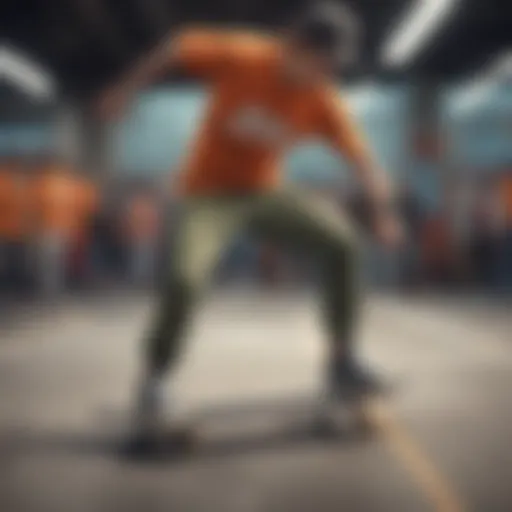
Dressing to impress while practicing these techniques translates to more than just fashion; it's about feeling comfortable and confident. Selecting the right shoes, like Vans or Nike SB, can greatly affect performance. Opting for loose-fit clothing can provide the needed mobility, allowing skaters to showcase their skills without feeling restricted.
Advanced Maneuvers and Strategies
As skaters progress, the techniques get trickier and more visually striking. Mastering advanced tricks like the 360 flip or the back Smith grind not only elevates a skater's game but also enhances their style quotient.
- 360 Flip: This trick combines the ollie and kickflip in a fluid movement and is a favorite for those wanting to flaunt technical prowess.
- Back Smith Grind: Typically seen in skate parks and on street ledges, this is a showcase of balance and style that comes with experience.
Clothing choices for seasoned skaters often merge functionality with personal flair. Popular streetwear brands like Supreme or Palace have integrated themselves into the skate scene, becoming synonymous with the culture. Wearing their gear signifies not only brand loyalty but also a deeper connection to the community. It's common for seasoned skaters to choose threads that reflect their individual journeys, considering both performance and aesthetic appeal.
Skateboarding Culture
Fashion Trends in Skateboarding
Fashion in skateboarding serves more than just a visual element; it's steeped in history and ideology. From the classic baggy jeans paired with oversized tees to the more recent shift towards slim-fit silhouettes, style is a continuous evolution influenced by both skaters and the larger culture.
Historically, skate brands like Thrasher or Element emerged as icons of youth rebellion, with their logos often seen plastered across local spots. Today, collaborations between high fashion and skate brands provide an intriguing blend, with names like Off-White stepping into the scene, capturing the attention of fashion enthusiasts worldwide.
Events and Community Spotlights
Community events like skate competitions provide a platform for skaters to showcase their skills while also highlighting local cultures. These gatherings play a pivotal role in solidifying relationships within the skateboarding community and are a major influence on clothing trends.
"Skateboarding isn’t just about the tricks; it’s about the people and the culture that bind us together."
From the X Games to local skate jams, these communal activities influence apparel choices, as skaters often wear brands that resonate with the ethos of the event. They become walking representations of their beliefs and styles, paving the way for others to embrace the culture.
As we continue to untangle the web of fashion choices within the skateboarding community, it's essential to remember that every deck flipped, every rail grinded, leaves a mark not only on the pavement but also in the hearts of those who participate in the lifestyle.
Understanding Youth Clothing
In the vibrant world of skateboarding, clothing is more than just a layer of fabric; it’s a medium of self-expression and identity. Understanding youth clothing, especially in this culture, reveals how fashion choices intersect with a sense of belonging, individuality, and lifestyle. When we speak about youth clothing in skateboarding, we are diving into a rich tapestry woven with threads of personal history, cultural movements, and societal influences.
Young skaters navigate through an environment where their attire reflects not just their personal style but also their adherence to a subculture that values creativity, rebellion, and community. The importance of youth clothing in skate culture lies in several elements:
- Self-Expression: Clothing allows skaters to showcase their personality. A vibrant graphic tee or distressed jeans speaks volumes about one's aesthetic preferences and even their beliefs.
- Cultural Identity: Clothes serve as markers of identity in the skateboarding community. Choices in skatewear can signify allegiance to certain brands, neighborhoods, or skaters.
- Social Dynamics: Fashion plays a crucial role in how individuals interact. A young skater’s gear can foster a sense of familiarity and kinship with peers.
- Trend Evolution: Styles in youth clothing don’t just evolve randomly. Trends can reflect broader social movements or reactions to changing tastes within the skate community.
Understanding youth clothing necessitates an exploration of these intricate dynamics. It helps retailers and content creators grasp the pulse of what resonates with their audience. When they can identify the key aspects of youth clothing, they can tailor products, marketing strategies, and content that speak directly to the values and priorities of young skaters.
The Definition of Youth Clothing
Youth clothing refers to apparel specifically designed for children and teenagers, reflecting their unique tastes and cultural influences. In the context of skateboarding, this category extends into pieces that are not only visually appealing but also functional for the athletic nature of the sport. Key components of youth skate clothing typically include baggy pants, graphic tees, hoodies, and, of course, skate shoes that provide grip and support.
The definition transcends mere practicality; it's about creating garments that resonate with the psyche of young skaters, offering comfort while facilitating movement. Thus, fitting into the skate scene means more than looking good; it’s about merging form with function.
Historical Context of Youth Fashion
Understanding the historical evolution of youth fashion is crucial to grasping contemporary styles in skate culture. The roots of youth clothing can be traced back to the post-war era, where the emergence of teenage culture began transforming clothing from adult standards to youth-oriented styles.


In the 1970s, skateboarding began gaining traction, parallel with the rise of punk rock music. Punks brought about a wave of nonconformity that influenced skate fashion heavily:
- Ripped jeans and leather jackets became staples, symbolizing rebellion.
- Skateboarders often styled themselves similarly to punk rockers, favoring brands that aligned with their values of independence and defiance.
As skate culture grew through the 1980s and into the 90s, fashion became increasingly tied to identity. With the rise of brands like Vans and Thrasher, clothing lines began to emerge that catered specifically to this audience. They capitalized on the ethos of skateboarding, highlighting not just performance but also the lifestyle and camaraderie associated with the sport.
In essence, the historical context of youth fashion in skateboarding paints a comprehensive picture of how past influences shape present trends. It highlights a lasting legacy of rebellion, freedom, and self-identification that continues to inspire young skaters today.
Cultural Influences on Skate Clothing
The world of skateboarding is not just about wheels and tricks; it's an intricate tapestry woven from various cultural threads. Understanding the cultural influences on skate clothing is essential for grasping the identity and community that skateboarding fosters among youth. Clothes are not merely functional items; they are statements, expressions of individuality and lifestyle. Here we’ll explore how street culture and music genres shape the garments skaters choose, providing insight into the deeper meanings behind their fashion choices.
The Role of Street Culture
Street culture plays a pivotal role in shaping skate clothing. It's a melting pot of influences from urban life, art, and the rebellious spirit that skateboarding embodies. When you take a stroll through the streets, you can't help but notice the blend of styles that reflect the environment and the subcultures that reside there.
Skate clothing often draws from elements of graffiti art, streetwear, and the ethos of DIY culture. For instance, oversized tees and baggy pants originated not just from practicality but from a blend of hip-hop influences and the casual nature of street life. Skaters often adopt a uniform that reflects the gritty style of the neighborhoods they skate in. This connection to place serves to unite skaters, creating a sense that they belong to something bigger than themselves.
Moreover, street culture encourages authenticity. Skaters pride themselves on finding unique styles, often flipping thrift store finds or customizing items to express personal flair. This individuality is vital; each piece of clothing tells a part of a story, contributing to a larger narrative that is shared within the skate community.
"Skate culture thrives on the street's vibrancy, where clothing becomes a canvas for self-expression."
Music Genres and Fashion Trends
Delving deeper, we can’t overlook the profound impact of music genres on skate fashion trends. As a culture that grew alongside the rise of punk and hip-hop, skateboarding style is closely intertwined with the music that resonates within the community. Artists and bands significant to skaters not only provide an auditory backdrop but also influence the visual culture through their selected attire.
Consider the punk rock scene of the late 70s and 80s; its ethos of rebellion and non-conformity is echoed in the adoption of ripped jeans, band tees, and leather jackets by skaters. Fast forward, and hip-hop influences brought an entirely different flavor, manifesting in streetwear brands that incorporate bold graphics, vibrant colors, and athletic wear. The intersection of these musical influences creates a vivid spectrum of style choices that evolve with the trends.
In recent years, electronic music events and festivals have infiltrated skate culture, bringing avec it a surge in graphic-heavy apparel and neon aesthetics. Each iteration of music influences offers a fresh take on skate fashion, as skaters adapt and weave these elements into their wardrobes.
In summary, the fashion within skateboarding doesn't exist in a vacuum; it's a reflection of the cultural surroundings that inform it. From street culture's gritty yet authentic nature to the relentless evolution of music genres, these influences create a rich tapestry of style, uniting young skaters in their quest for self-expression and community.
This understanding sets the stage for future exploration of key trends in youth clothing, as we analyze how these cultural undercurrents continue to shape skateboard fashion.
Key Trends in Youth Clothing
Understanding the key trends in youth clothing is paramount to grasping the essence of skateboarding culture. The way young skaters dress reflects more than personal style; it's an embodiment of identity, values, and social interactions. Clothing influences how skaters move, express themselves, and connect with their community. As skateboarding gains visibility, so do the trends that characterize it. In this section, we will dissect the current fashion scene among young skaters, highlighting specifics that set the tone for their unique styles.
Current Fashion Trends Among Young Skaters
The fashion landscape is always shifting, but a few trends stand out for young skaters today. Baggy jeans paired with oversized graphic tees create a relaxed look that enhances mobility on the board. This combination resonates—comfortable but stylish enough to flex at the skate park or on the streets. Footwear plays a massive role here too. Brands like Vans and Nike SB dominate with their skate-specific shoes that offer both grip and support, crucial for performing tricks.
One cannot overlook the influence of colors and patterns. Bright, bold hues serve as a canvas for self-expression. From tie-dye to checkerboards, these designs speak volumes about the wearer's personality. Moreover, layering is becoming increasingly popular; a hoodie under a windbreaker is not just practical for changing weather but also adds depth to an outfit.
Another noteworthy trend is the resurgence of retro styles. Young skaters are gravitating towards inspiration from 90s fashion, integrating vintage bands’ merchandise with modern skate gear. This blend creates a unique aesthetic that captures both nostalgia and originality, resonating with their peers.
"Clothing is like a visual DJ set, mixing genres, styles, and eras to create something fresh."
Social awareness is also creeping into the garments. Many young skaters now prefer brands that implement sustainable practices, incorporating recycled materials into their products. This shift hones in on a growing sense of responsibility among youth to protect the environment while maintaining their streetsmart image. Ultimately, these trends reflect their worldviews—fluid, adaptable, and attentive to the sociocultural climate.
The Influence of Social Media on Fashion Choices
Social media has transformed how young people absorb trends and construct their identities. Platforms like Instagram and TikTok serve as virtual runways, displaying a constant flow of inspiration. Skaters showcase their gear, techniques, or outfits, forging a massive online community where ideas circulate at breakneck speed. This instant sharing has made fashion more democratic; anybody with a smartphone can partake in style exchanges.
The impact of influencers cannot be understated. Popular skaters with large followings have the power to sway purchasing decisions. When these figures sport specific brands or styles, it often results in immediate spikes in sales. Authenticity is gold; the followers are keen on identifying with their favorite skate idols, leading them to replicate the look and share it online.
While there is an abundance of influence from established brands, many skaters are now turning to smaller, independent labels. This shift highlights a desire for uniqueness—a way to stand out from the crowd and dodge the mundane. Hashtags such as #SkateStyle and #FashionOnWheels inspire competition, creativity, and authenticity among young skaters.
Additionally, the role of user-generated content is now fundamental in promoting trends. Young skaters curate their styles online, offering authentic insights that contribute to a broader conversation about skate culture and identity. In this way, fashion isn't just about clothing; it's a reflection of community engagement, creativity, and collective experiences.
Through dissecting these trends and their connections to social media, we see a tapestry woven from individual expression to collective movements—a dance of creativity on wheels.
The Intersection of Identity and Fashion
The interlink between identity and fashion is a dynamic aspect of youth culture, especially in the realm of skateboarding. It's not just about the clothing one chooses; it's about how those choices resonate with personal identity, social belonging, and cultural narratives. For young skaters, fashion becomes an extension of self—something that showcases their individuality while simultaneously binding them to the broader skateboarding community.
Clothing as a Form of Self-Expression


In skateboarding, clothing serves as a canvas for individuality and self-expression. Skaters often gravitate towards certain styles or brands that resonate with their persona. Whether it’s a pair of worn Levi's, an oversized Thrasher hoodie, or custom-designed sneakers, each piece tells a story. The choices are deliberate—not simply about comfort or aesthetics, but a means of communicating who they are to the world.
An important aspect to note is how different styles in skating reflect deeper cultural elements. For instance:
- Street wear influence: This trend emphasizes bold graphics, loose fits, and vibrant colors, resonating with the urban environment that many skaters inhabit.
- Rebellion against norms: Often, the aesthetic is defined by an anti-establishment vibe, seeking to defy mainstream trends and embrace counterculture.
- Functional aesthetic: Given the physical demands of skating, practicality often blends with style, resulting in attire that is both stylish and conducive to performance.
To sum it up, clothing becomes a medium through which skaters articulate their unique experiences and values, providing a way for them to stand out while remaining connected to an influential subculture.
Community and Belonging through Fashion
Fashion in skating goes beyond individual expression; it plays a critical role in fostering community and a sense of belonging. When skaters wear similar styles or brands, they signal allegiance to a shared culture, creating bonds through common interests and aesthetics. This phenomenon often manifests in group dynamics, where a shared style can strengthen camaraderie among skaters in a local scene.
The role of community manifests itself in various forms:
- Local Sponsorships: Many skaters support local brands that resonate with their community’s values, which fosters a sense of pride and belonging.
- Skate Teams and Collectives: Identity thrives in these spaces where skaters unite around a common aesthetic, sharing their passion for skating and their distinctive fashion choices.
- Social Events: From competitions to community skate days, these gatherings often celebrate both skill and style, reinforcing the bond among participants.
"What you wear on your board tells the world who you are, and who you skate with, often more than words ever could."
Through fashion, skaters connect with each other, forming networks that transcend geographical boundaries. A shared hoodie or a popular pair of skate shoes can spark conversations, build friendships, and even lead to collaborations among skaters in different cities.
In essence, the intersection of identity and fashion in skateboarding is intricate; it's about personal expression and cultivating community bonds that redefine the fashion landscape in ways that resonate well beyond the skate park.
Practical Considerations for Skaters
When it comes to skateboarding, clothing is more than just fabric draped over the body; it is a crucial element that blends functionality with style. Skaters live in their clothes – whether they're nailing tricks or just hanging out with friends. The right gear doesn’t just make a statement; it can have a direct impact on performance and comfort. Understanding the practical aspects of clothing can take one’s skating game to new heights.
Functionality vs. Aesthetics
In the world of skateboarding, there exists an ongoing debate between functionality and aesthetics. Skaters often ponder whether to prioritize performance-enhancing gear or to don the latest cool trends capturing the eyes of peers.
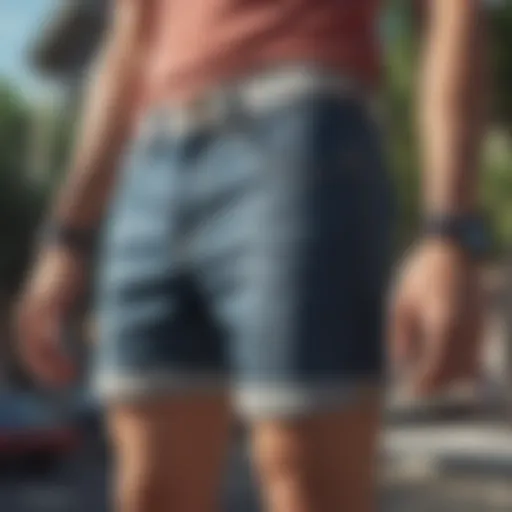
- Functionality: For skaters, performance is paramount. Choosing clothes that allow for maximum freedom of movement is vital. For instance, baggy shorts or tapered pants made from durable materials can withstand the wear and tear of falls while providing simply the right amount of stretch. Well-designed skate shoes provide grip and support, which is essential when performing tricks.
- Aesthetics: That said, style plays an integral role. Each skater has a unique identity, often expressed through their clothing choices. Favorite colors, logos, or brands can evoke a sense of community and belonging. It’s not uncommon for skaters to wear vibrant graphic tees with standout designs that might reflect their interests or favorite subcultures.
The sweet spot is finding a balance; clothes that look good should not compromise your ability to skate effectively. An example would be selecting a lightweight jacket, such as those from brands like Thrasher or Element, which are both stylish and functional in maintaining comfort during a session.
"Skateboarding is about freedom—freedom in movement and expression. Clothing should echo that spirit."
Choosing the Right Gear for Different Environments
Different environments call for different clothing choices; what works in an urban skate park may not be suitable for a more rugged outdoor terrain. Here are some considerations:
- Weather Conditions: Hot weather often means light fabrics; a breathable t-shirt paired with shorts keeps skaters cool in the summer sun. In contrast, colder climates may require layered outfits. A hoody or long-sleeve shirt made of moisture-wicking material can keep one warm while battling the elements.
- Surface Types: Skating on concrete may require shoes with tougher soles for durability, while wood ramps might demand lighter footwear for agility. The surface type can greatly influence the choice of gear.
- Skating Style: Whether it’s street skating or vert skating can determine clothing choices. Street skaters often prefer looser fits to allow freedom of motion, while vert skaters might lean towards tighter, more flexible fabrics for high-speed performance.
No matter where a skater finds themselves, the right gear can make the difference between a great day and a frustrating one. It isn’t merely about looking good—it's feeling good while expressing oneself within a community of like-minded individuals.
In sum, gear choices should harmonize function and style, allowing skaters to perform at their best while embracing their individuality. Identifying needs specific to one’s skating environment can provide a roadmap for more confident, capable skate sessions.
Brands Shaping Youth Clothing
The influence of brands in youth clothing, especially in skate culture, cannot be overstated. Brands play a vital role in shaping not just fashion trends, but also the identities and community bonds among young skaters. When we think about brands in skateboarding, we’re talking about more than just profits; we’re talking about aspirations, lifestyles, and often, a rebellion against mainstream norms. The brands that resonate with young skaters do so because they reflect authenticity, creativity, and a deep understanding of the culture.
Emerging Brands in Skate Fashion
Emerging brands are incredibly vital to the skateboarding fashion landscape. They often start as grassroots movements, fine-tuning their style and ethos from the streets. Consider a brand like Palace Skateboards. It originated in London and quickly developed a cult following by merging skate culture with street art and fashion. Their designs often play with 90s aesthetics while cultivating an air of exclusivity. Emerging brands such as these bring fresh perspectives and innovation, which captivates today's youth.
These small, niche brands tend to prioritize creativity over commercialism. They often dabble in sustainable practices, highlighting their commitment to the environment—something many young people today deeply value. This approach not only attracts new customers but also enhances their credibility within skateboarding communities. Furthermore, innovative marketing strategies, often utilizing platforms like Instagram and TikTok, allow these brands to engage with their audience effectively.
Established Brands and Their Impact
On the other hand, established brands like Vans and Nike SB have laid the foundation for skate fashion, influencing generations of skaters. These brands wield significant power; their styles often set the course for seasonal trends. For instance, Vans' classic checkerboard patterns and sturdy footwear have become synonymous with skate culture.
The extensive reach of such brands has its advantages—they create platforms for athletes and artists, encouraging emerging talent by featuring them in campaigns and product lines. Moreover, established brands often invest in skate parks and community initiatives, thereby reinforcing their commitment to the culture and giving back to the very communities that support them.
However, there’s a tightrope walk that these established brands must navigate. As they grow, there’s a risk that they may lose touch with the grassroots community, as their commercial focus may overshadow their original rebellious spirit. Nevertheless, their investment in ethical production and collaboration with grassroots brands can bridge the gap—reinforcing the relevance of their presence in youth clothing.
"Brands resonate with youth, not merely through aesthetics but through shared values and authenticity—critical elements in skate culture."
Environmental and Ethical Considerations


In a world where climate change and corporate responsibility are hot topics, the environmental and ethical considerations in skate clothing have gained quite a bit of attention. The youth today are more conscious than ever about the clothes they wear. For skateboarders, this consciousness isn't just a trend; it’s about who they are and how they see the world around them. This section sheds light on the significant impact of skate clothing production practices on our planet and society, emphasizing why this topic matters to both skaters and retailers alike.
The fabric of skate culture is woven with threads of community, innovation, and style, but it also faces challenges that demand a thoughtful approach to sustainability. When skaters choose brands that prioritize eco-friendly practices, they aren't just making a fashion statement; they're participating in a broader movement advocating for the health of our planet. Here are several crucial factors to consider:
- Resource Consumption: The textile industry is notorious for heavy water usage and pollution. Brands that shift towards sustainable materials help reduce this impact.
- Waste Reduction: Fast fashion contributes significantly to landfill waste. Companies that employ recycling techniques or use second-hand materials can help offset this problem.
- Labor Practices: Ethical production involves fair wages and safe working conditions for workers. Choosing brands that respect human rights strengthens the core values of community and equality.
It’s clear that the choices made in the skate clothing market can either contribute to or combat the pressing environmental challenges of our time.
Sustainable Practices in Skate Clothing Production
Sustainable practices in the production of skate clothing are becoming less of a choice and more of a necessity. Brands are emerging that focus on eco-friendly materials and methods, which not only appeal to eco-conscious consumers but also benefit the environment.
For instance, many are turning to organic cotton, hemp, and recycled polyester. These materials reduce the carbon footprint compared to their conventional counterparts. When brands adopt such sustainable practices, they often become models for change in the industry.
Here are some common sustainable production practices:
- Water-Saving Techniques: Using less water during dyeing processes can significantly cut down environmental impact.
- Low-Impact Dyes: Brands are switching to dyes that don’t contain harmful chemicals, minimizing pollution.
- Energy Efficiency: Factories adopting renewable energy sources reduce reliance on fossil fuels.
This shift not only resonates with environmentally aware skaters but also signals a higher standard for the entire industry, influencing established brands to follow suit.
The Growing Demand for Ethical Brands
As the phrase goes, "actions speak louder than words," and young skaters are living out this sentiment by actively seeking brands that practice ethical manufacturing. There’s a growing realization that supporting brands that align with their values isn’t just good for business; it’s a crucial part of their identity.
This trend could be attributed to increased awareness around social issues, as well as a sense of responsibility toward the planet. Skaters are looking for brands that support fair labor practices and pay workers fairly. Brands like Patagonia and Element are paving the way by implementing fair labor standards while producing quality skate apparel.
When discussing ethical brands, consider these aspects:
- Transparency: Brands that openly share their supply chain and production processes often win over the hearts of ethical consumers.
- Community Engagement: Many successful brands invest in their communities, supporting local skate parks and youth programs, thus nurturing the culture.
- Advocacy: Some brands bolster their ethical stance by advocating for environmental and social causes, reinforcing their commitment to the greater good.
Ultimately, the demand for ethical brands acts as a catalyst for change in the skateboarding industry, showing that skaters are not just consumers; they are advocates for a more just and sustainable world.
Future Trends in Youth Clothing
The realm of youth clothing is ever-evolving, and skateboarding fashion stands at the cusp of this transformation. Understanding future trends in youth clothing is pivotal for skaters, retailers, and content creators alike. It's not just about the visuals; it’s about how these trends shape identity, reflect societal shifts, and influence community dynamics within the skate culture. Tomorrow's styles can reveal much about the thoughts and feelings of today's youth, often serving as a direct line to their values and beliefs.
A critical element of this evolution is adaptability. As skateboarding grows in popularity and diversifies as a sport, so too will the clothing styles that evoke its spirit. From bold graphics to subtle understated designs, the trends cater to various personalities in the skating community. As such, recognizing and predicting these changing tides becomes beneficial not just in keeping style afloat but also in nurturing the cultural backbone that keeps skateboarding alive and changing.
Predictions for Upcoming Styles
One can expect a refreshing mix of nostalgia and futurism in the upcoming styles. Here are some prominent predictions for what's on the horizon:
- Sustainable Choices: With eco-consciousness gaining ground, expect brands to focus heavily on sustainable materials. Fabrics crafted from recycled plastics or organic cotton could dominate the market, allowing skaters to express style while being mindful of the environment.
- Retro Influences: The resurgence of '90s style paired with today’s technology is a cool mishmash coming up. Think old-school skate logos with modern fits or retro color palettes blended with contemporary silhouettes.
- Function Meets Fashion: As functionality takes center stage, clothing that caters to performance, like moisture-wicking fabrics and reinforced stitching, will continue to blend seamlessly with trendy aesthetics.
- Customized Gear: The rise of personalized apparel is also intriguing. Young skaters may opt for custom designs that resonate with their unique identities and experiences, creating a more profound connection with their clothing.
"Skateboarding isn't just a sport; it's a lifestyle. The clothes we wear reflect our journey and individuality."
Innovations in Materials and Design
As technology strides forward, the materials and designs used in youth clothing are likely to reflect this growth. Here are some innovations to keep an eye on:
- Smart Fabrics: Fabric technology may soon incorporate innovations such as temperature regulation or even LED displays for custom patterns. This would not only enhance performance but could create a whole new avenue for expression in skate apparel.
- 3D Printing: The approach to creating custom apparel may also shift with the advent of 3D printing technology. Custom-fit clothing, made to the specifications of a skater's body and style preferences, could soon bridge design with functionality more than ever before.
- Enhanced Durability: The integration of high-tech protection features without sacrificing style will attract skaters. Fabrics that resist wear and tear, while remaining breathable and comfortable, represent the direction for future clothing.
- Collaboration with Artists: As collaborations between brands and artists continue to grow, expect to see unique lines that infuse artistic statements with functionality. Original artwork showcased on clothing can create conversations and narratives around each piece worn on the streets.
In sum, the future of youth clothing in skateboarding appears energetic and multifaceted. The styles to come will not just cover skin—they will dress ideas, dreams, and communal stories, embodying a culture that continually advances with each trick landed and every street conquered.
Epilogue
In the realm of skateboarding culture, the relationship between youth clothing and identity cannot be overstated. Clothing serves not just a functional purpose for skaters, but also acts as a powerful medium for self-expression, community belonging, and a reflection of personal values.
Reflecting on the Importance of Clothing in Skate Culture
For many young skaters, clothing choices encapsulate their journey through adolescence and individuality. Skate clothing is often viewed as a badge of honor that signals one's affiliation with the skateboarding community. It is a distinct language, spoken without words, conveying both conformity and uniqueness within a counter-cultural space.
Several germane factors contribute to the potency of apparel in skate culture:
- Identity Formation: Clothing assists youth in carving out their identities. Think of how the rebellious tone of baggy jeans and graphic tees echoes a non-conformist spirit, resonating with their experiences both on and off the board.
- Cultural Connection: Fashion plays a vital role in fostering an understanding of the broader skateboarding scene — a melting pot of styles influenced by elements like music, art, and social movements. Brands like Supreme or Thrasher offer symbols of credibility within this microcosm, where cultural resonance meets aesthetic choices.
- Communal Bonding: The clothes worn often signify belonging — a way for skaters to connect with peers, particularly during meet-ups at skate parks or competitions. The shared experience of discussing favorite skate gear or trading pieces fosters a sense of camaraderie, grounding the group in their common interests and lingo.
Moreover, the significance of environmental considerations cannot be brushed aside. As skate culture evolves, there is a rising awareness about sustainable practices among youth. As they learn more about the impact of their consumer choices, many are opting for brands that emphasize ethical production, thus aligning their fashion sense with their personal and communal values.
In summary, the exploration of youth clothing in skateboarding encompasses a myriad of cultural, social, and environmental dimensions. This article underscores the importance of recognizing how the sartorial choices of young skaters not only define their personal style but also shape their identities, reflect community values, and influence the future of fashion within skating culture. Such insights offer retailers and content creators valuable perspectives to navigate this ever-changing landscape.
"Clothing is a means of art, identity, and connection — pivotal to the very essence of skate culture."
For further reading, consider exploring resources such as Wikipedia or Britannica for deeper insights into the roots and evolution of skateboarding culture.