Street Skateboards for Beginners: A Complete Guide


Intro
Skateboarding has long been a rite of passage for those seeking a taste of freedom and adventure on wheels. For many aspiring skaters, the street is not just a playground; it’s a canvas for creativity and expression. As beginners take their first steps—or rather, their first rolls—there’s a myriad of factors to consider: the types of skateboards available, essential safety guidelines, techniques vital for success, and even the rich culture that surrounds the sport.
Understanding the intricacies of skateboarding can feel overwhelming at first glance. It’s all too easy to get lost in the dizzying array of gear, tricks, and unwritten rules that define this vibrant subculture. However, fear not! This guide aims to demystify the essentials of street skateboarding, setting the stage for novices to not only learn but also fully enjoy their journey into this fascinating world.
With a focus on practical tips, the guide will dissect the fundamental aspects of selecting the right skateboard, mastering basic techniques, and adopting a safety-first mindset that every beginner should have. Additionally, we’ll delve into the heart of skateboarding culture, discussing fashion trends, community events, and how to soak up the atmosphere around skate parks.
By the end of this guide, you’ll be armed with knowledge to navigate the street skateboarding scene with confidence. Let’s roll into the first key section.
Skateboarding Techniques
An essential part of skateboarding is mastering the techniques that allow you to navigate the board smoothly and execute tricks. For beginners, having a solid grasp of basic maneuvers is vital, as they form the building blocks for more advanced skills.
Beginner Tricks and Tips
Starting off as a newbie, it’s crucial to get comfortable with the board before jumping into tricks. Here are some foundational tips and tricks to help you find your feet:
- Pushing Off: The most straightforward way to start is simply pushing off with your foot while standing on the board. It’s all about balance—keeping your weight centered over the board.
- Turning: To turn, lean your body in the direction you wish to go. This technique will become second nature with some practice. Beginners often find it helpful to look where they want to steer.
- Stopping: Learning to stop is just as essential. The easiest methods are the foot brake—dragging your back foot on the ground—and the tail stop, which involves pressing your tail down to halt.
Once you’re comfortable with these basics, you might venture into simple tricks, such as the ollie—jumping with the board while keeping it beneath you, creating a neat visual flourish. It’s an essential trick that lays the foundation for many other advanced maneuvers.
Advanced Maneuvers and Strategies
As you build confidence and master the basics, it’s time to take on more challenging tricks. Here’s where the fun really kicks in:
- Kickflips: These require a bit of finesse. To achieve a kickflip, you use your front foot to flick the edge of the board while jumping, allowing it to spin underneath you.
- Heelflips: Similar to kickflips, but the flick comes from your heel instead. Pros tip: Practice on flat ground first to get the timing right before hitting obstacles.
- Grinds and Slides: Rail grinds and slide tricks involve using the trucks of your skateboard to slide on surfaces; practicing at skate parks with smooth edges is ideal.
While learning these advanced techniques, remember that patience is key. Everyone progresses at their own pace. Maintain a positive attitude, and don’t be discouraged by falls. Each tumble is simply part of the learning process.
"Skateboarding teaches you to get back up every time you fall. That’s the essence of it all."
Ultimately, having an understanding of these techniques not only bolsters your confidence but also sets a strong foundation for developing your own style and creativity within street skateboarding. Next, we’ll dive into the heart of skateboarding culture, spotlighting fashion trends and community events that mirror the spirit of the sport.
Understanding Street Skateboarding
Street skateboarding is not just a sport; it’s a way of life, a culture that resonates with a multitude of individuals across the globe. For beginners stepping onto a skateboard for the first time, understanding street skateboarding is paramount. This knowledge not only enhances the learning experience but also enriches the connection with the skateboard and the community surrounding it.
The Essence of Street Skateboarding
To grasp the essence of street skateboarding, one must look beyond the mere act of riding on a board. It's about pushing boundaries—both physically and mentally. Street skateboarding occurs in urban environments, making the most out of everyday structures like curbs, staircases, and benches. In many ways, it embodies the spirit of ingenuity and self-expression. Skaters learn to adapt their techniques to navigate obstacles, turning what could be mundane city elements into a canvas for creativity. This constant interaction creates a dialogue between the skater, the board, and the surroundings, resulting in a unique experience that transcends just the act of skating. What's more, street skateboarding fosters a community filled with diversity, camaraderie, and respect, which truly enhances its essence.
Historical Context and Evolution
Street skateboarding has a rich historical background that has shaped it into what we see today. Emerging in the late 1970s and early 1980s, it began as skateboarders sought alternatives to empty swimming pools and skate parks, leading to the innovation of styles that utilize the urban landscape. The roots of this practice can be traced back to the Pacific coast, with pioneers like Alan
Types of Street Skateboards
Understanding the various types of street skateboards is crucial for beginners looking to navigate their entry into skateboarding. Each type caters to different riding styles, skills, and environments. If you're just starting out, the right skateboard can make all the difference. This section delves into three main types: standard skateboards, cruisers, and longboards, highlighting their distinct features, benefits, and suitability for new skaters.
Standard Skateboards
Standard skateboards are likely what most people picture when they think of skateboarding. With a deck typically measuring between 28 to 32 inches in length, these boards are designed for tricks, maneuvers, and street skating. Their construction usually consists of maple wood, which provides durability and a good amount of pop, essential for performing tricks like ollies and kickflips.
Advantages of Standard Skateboards:
- Trick Versatility: Perfect for performing street tricks and flips.
- Compact Size: Easy to carry and maneuver in tight spaces.
- Customizable: Wide range of designs and customization options available.
However, given their smaller size, standard skateboards can feel less stable for a beginner. New riders may find it helpful to practice balance and basic skating skills with something a bit less technical initially before progressing to these boards.
Cruisers and Their Benefits
Cruisers are a more relaxed option for beginners who prefer a smooth ride over tricks. They typically feature a wider, more substantial deck and larger wheels, which enhance stability and absorption of bumps on the road. Many cruisers are designed with a retro aesthetic, making them attractive to those who appreciate vintage styles as well.
Why Choose a Cruiser?
- Comfortable Ride: Larger wheels and softer durometer provide smooth rides on uneven surfaces.
- Stability: Easier to balance on, giving new skaters the confidence to push off and ride.
- Versatile Use: Ideal for commuting, sightseeing, or leisurely rides around town.
For beginners still getting their footing, a cruiser can serve as a great platform to build confidence before delving into more complex skateboarding techniques.
Longboards and Their Uses
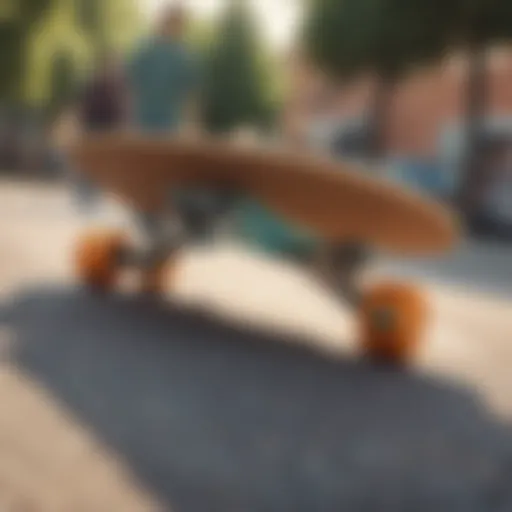
Longboards are the biggest siblings of the skateboard family, usually exceeding 33 inches in length. They are often used for downhill riding, cruising, or even transportation. Their length and wheelbase provide more stability, making them a solid choice for beginners who want a comfortable experience as they learn.
Benefits of Longboards:
- Stability: Less likely to wobble, making them great for new skaters learning to balance.
- Smooth rides: Larger wheels glide effortlessly over cracks and debris.
- Longer Rides: Better suited for long distances, perfect for commuting or cruising on the beach.
Beginners might find longboards more appealing initially because they remove some of the intimidation factors associated with smaller, trick-oriented boards. That said, it does require some adjustments in technique compared to standard skateboards.


"Choosing the right skateboard can set the foundation for a rewarding skateboarding journey."
Knowing the differences and uses of these skateboard types helps beginners make informed decisions, ensuring they choose a board that aligns with their skills and intended use.
Choosing the Right Skateboard for Beginners
Choosing the right skateboard sets the stage for a productive and enjoyable journey into street skating. For beginners, the stakes are high. A poor choice can lead to frustration or even injury. Thus, understanding the different options available and what to specifically look for is crucial. From deck materials to wheel sizes and trucks, each feature fundamentally shapes the skating experience.
Key Features to Consider
When considering which skateboard to buy, there are several key features that cannot be overlooked. Each can significantly influence not only how the board performs but also how comfortable and safe it feels under the skater's feet.
Deck Material
The deck material directly affects the board's durability and performance. Most skateboards are made from either maple wood or composite materials. Maple is favored for its stiffness and durability. It offers a responsive feel, which is something beginners benefit from as they learn balance and control.
The unique feature of a maple deck is its ability to absorb shock better, which means smoother rides on rough surfaces, like those often found in urban environments. However, it can be heavier and more challenging to carry around. In contrast, composite decks can be lighter and more flexible, offering a different kind of riding experience. They may be more prone to wear and tear, but for beginners still finding their footing, they could be a suitable option.
Wheel Size and Durometer
Wheel size and durometer are equally essential when it comes to skateboards since they impact speed, control, and comfort. Smaller wheels, typically ranging from 50 to 54 mm, offer more maneuverability and are ideal for beginners learning tricks. Larger wheels, on the other hand, generally range from 55 to 60 mm, providing better stability and a smoother ride over rough terrain. Durometer, measured on a hardness scale, also plays a role. Softer wheels (78A-87A) grip better and absorb shocks, making them a favored choice for beginners skating on rough surfaces. However, they wear down faster than hard wheels, which might be a consideration for those who plan to skate often.
Trucks and Their Importance
Trucks are the skateboard's axles, and they are crucial for turning and stability. A good truck enhances control, allowing skaters to carve smoothly and perform tricks more effectively. For beginners, lighter trucks are often ideal as they make skateboarding easier to manage. Most commonly, trucks made from aluminum provide a great balance between weight and durability, plus they’re generally more affordable. Failing to choose the right truck can lead to a poor skating experience, so it’s key to think about your weight and style of riding when choosing.
Recommendations Based on Skill Level
Selecting a skateboard can vary based on a beginner's skill level. Newcomers should ideally look for setups that prioritize stability over advanced features. Here are some practical recommendations:
- Total Newbies: Look for a complete skateboard package. It takes out the guesswork and ensures basic compatibility.
- Confident Beginners: As skill grows, consider a customized setup with a specific deck width, wheel size, and truck choice that suits your personal style.
- Intermediate Skaters: Invest in high-quality materials that can withstand more aggressive riding, like stiffer decks and harder wheels suitable for tricks.
A wise choice today could mean the difference between love at first push and long-lasting frustration in later days.
Safety Equipment for Street Skateboarding
Navigating the world of street skateboarding, especially as a beginner, can be both exhilarating and daunting. The thrill of gliding down the street is closely linked with the need for safety. Investing in proper safety equipment is crucial for every novice skater. In this section, we will break down essential gear, why it’s important, and the unique features of each item. More than just a precaution, the right equipment fosters confidence, allowing beginners to focus on their technique without the nagging worry of potential injury.
Essential Gear for Beginners
Helmet
A helmet is often seen as the cornerstone of safety gear for any street skateboarder. It serves as a protective barrier for the head, the most vulnerable part of the body during a fall. A key characteristic of a good helmet is its ability to absorb impact, a feature that can significantly reduce the risk of concussions and other severe head injuries. The lightweight design of modern skate helmets ensures that skaters won't feel bogged down while riding.
Beginners often find helmets like the Pro-Tec Classic Certified Skate Helmet popular due to its durability and freshly-stylish designs. This helmet is built with a high-quality EPS foam liner, which provides excellent protection against falls. One disadvantage, though, is that some beginners might feel a bit warm after wearing it for a long time. Still, the protection it offers far outweighs this minor inconvenience.
Pads: Knees and Elbows
Pads for knees and elbows act as shields, absorbing the brunt of a fall. Their primary function is to protect joints, which can be particularly susceptible to injury during the initial stages of skating. Look for gel or foam padding, as these materials are both sturdy and comfortable.
For example, the Triple Eight KP 22 Knee Pads have a reputation for their solid construction. They’re easy to wear and don’t obstruct movement, making them a favored choice among newcomers. When it comes to elephant in the room, the adjustment period. Some skaters find pads uncomfortable at first, and they can feel bulky. Yet, over time, the assurance that comes from wearing them encourages beginners to take more risks while practicing.
Shoes Designed for Skateboarding
Shoes specifically designed for skateboarding are non-negotiable for anyone serious about skateboarding. These shoes typically feature a durable construction, offering support and grip while skating. A key characteristic is the vulcanized sole, which enhances board feel, crucial for executing tricks accurately.
Brands like Vans have made a name for themselves with the iconic Old Skool model, known for its classic look and functionality. These shoes allow skaters to maintain proper contact with their boards. However, it’s essential to note that when first transitioning to proper skating shoes, there might be a slight adjustment period, as they may feel stiffer than regular sneakers at first. Yet in the long run, they provide enhanced control and performance.
Understanding Protective Gear Benefits
Utilizing safety gear goes beyond just physical protection. It builds a mental safety net, allowing beginners to progress in their skills with less fear of falling. Particularly for new skaters, the initial trepidation can often hinder learning. Wearing helmets, knee and elbow pads, and specialized skate shoes can provide the confidence boost needed to tackle new tricks and techniques.
In sum, by prioritizing safety equipment, beginners are not only protecting themselves against physical injuries but also encouraging growth and confidence in their skills. Remember, skateboarding is as much about enjoying the ride as it is about finding your comfort zone and pushing it — safely.
Basic Skateboarding Techniques
Skateboarding isn't just about strapping yourself to a board and rolling around; it's a blend of art, science, and a dash of bravery. For beginners, mastering the basic skateboarding techniques serves as the cornerstone to building confidence and skill. These techniques not only make it easier to navigate your skateboard but also pave the way for more advanced moves down the line. When you grasp the fundamentals, it allows you to enjoy the ride and dive into the vibrant culture that envelops street skateboarding.
Learning to Push Off
The first step to getting anywhere on a skateboard is learning to push off. This involves placing one foot on the board, usually the back foot, while the other foot is used to push against the ground. You could think of it like learning to ride a bike—balance and momentum are crucial.
- Foot Placement: Place your back foot on the tail of the skateboard, ensuring it's centered for maximum control.
- Get a Grip: Your front foot should be in the middle or near the front bolts of the skateboard.
- Push with Sensitivity: When you push with your back foot, use a smooth motion, like you’re pushing a door open, not slamming it.
- Gaining Momentum: After a couple pushes, place your back foot back on the skateboard and find your balance. Remember, before you get cooking, you want to establish a rhythm that feels comfortable.
This fundamental moving technique not only propels you forward but also builds your confidence in managing the skateboard under your feet.
Balancing on the Board
Getting accustomed to balancing on a skateboard is no trifling matter. It requires practice and a good sense of your body’s positioning. Think of balancing like finding your sweet spot on a seesaw—too far one way, and you’ll go tumbling.
- Center Yourself: Distributing your weight evenly over the board is key. This means your feet should be placed firmly, with a slight bend in your knees to absorb any wobble.
- Look Ahead: Keeping your eyes on the horizon, rather than staring at your feet, helps maintain focus and balance. This technique is akin to driving a car—look ahead, and the road will follow.
- Practice Stance: Spend some time just standing still on the board. Shift your weight side to side or front to back to get a feel for how slight movements affect stability.


With time, you'll find it becomes second nature to stay upright and stable as you move.
Turning and Stopping
Turning and stopping are vital techniques that every skater needs under their belt. It's the difference between cruising smoothly through the streets or crashing into a bush with cosmetic damage to both you and your skateboard.
Turning
- Lean and Lift: To initiate a turn, gently lean in the direction you want to go while applying a slight pressure through your toes or heels. This subtle shift creates the pivot needed to change direction.
- Use the Shoulders: Your shoulders follow your gaze, guiding the skateboard where you want it to go. If you anticipate a turn, look towards it as you lean.
Stopping
- Foot Drag: One effective way to stop is to drag your back foot on the ground, using it to slow down gradually. Like slowing down a car, you want to ease into it, not slam on the brakes.
- Heel Brake: For a quicker stop, you can press the tail of the board down with your back foot until it touches the ground, creating friction that halts your forward motion.
Important: Always practice these techniques in a safe environment to prevent accidents and injuries.
These techniques serve as the essential building blocks that can transform a brand new skater into a budding pro. By investing time in mastering pushing off, balancing, turning, and stopping, you're setting the stage for a fruitful and exhilarating journey into the world of street skateboarding.
Common Challenges for Beginners
Getting started with street skateboarding is not just about hopping on a board and rolling down the street. There are quite a few hurdles that new skaters figure out as they begin their journey. Addressing these common challenges is critical. It not only helps beginners improve faster, but also instills a sense of confidence which is key in this sport. Knowing what to expect can make a world of difference, especially when those first rides can feel like a roller coaster of excitement and anxiety all wrapped up in one.
Fear of Falling
For many beginners, the fear of falling is often the biggest hurdle to clear. It's natural to be worried about taking a tumble, considering the various tricks that seem mundane to seasoned skateboarders. A beginner might think, "What if I lose my balance and crash onto the pavement?" This fear can keep individuals from even trying to push off. Rather than letting that fear fester, it’s essential to face it head-on.
Knowing a few key tips can ease this anxiety:
- Start Small: Begin on flat surfaces, away from busy streets or crowded skateparks.
- Wear Protective Gear: Helmets, knee pads, and elbow pads are must-haves. They not only protect against scrapes and bruises in case you do fall but can also give you the mental push to take that first ride.
- The Right Mindset: Understand that falls are part of learning. Even the best skaters took a fall or two (or more) along the way. The important part is to get back up and try again.
"Every fall is an opportunity to learn. Dust yourself off, and let's hit that board again!"
Dealing with Injuries
Injuries are another challenge that often accompanies beginners in street skateboarding. From scraped knees to bumps and bruises, these aren't just part of the ride but often a rite of passage. While it’s crucial to acknowledge that some injuries are to be expected, it is equally important to learn how to manage and mitigate them.
Some tips for dealing with injuries:
- Stay Aware of Your Surroundings: Pay attention to where you position yourself while skating. This can help avoid accidents.
- Know Your Limits: If a trick feels too advanced, there’s no shame in skipping it until you get more comfortable with the basics.
- Rest and Recover: Don’t push through the pain. If you feel an injury, give that body part time to heal. Pushing through could lead to bigger issues later.
Being aware of how to deal with these bumps in the road allows each skater to grow without undue setbacks.
Building Confidence Over Time
Building confidence in skateboarding is a gradual process. It won’t happen overnight, but little victories help. As beginners begin to master essential techniques like pushing off or balancing, their confidence starts to grow. Celebrate those small wins; they lead to autonomy on the board.
Consider the following strategies to boost confidence:
- Practice Consistently: Regular practice helps build muscle memory. The more time spent on the skateboard, the more familiar it feels.
- Seek Positive Company: Skating with friends, especially those slightly more skilled can provide encouragement and lessen anxiety. Watching others succeed can instill belief in your ability to do the same.
- Set Manageable Goals: Instead of trying to land that tricky kickflip in a single day, aim for simpler milestones. Mastering a straight roll or smooth turns could be the stepping stones that build into larger accomplishments.
In the end, every skateboarder climbs over these hurdles with experience, determination, and, at times, a few scraped knees. Overcoming these challenges lays the groundwork for not just become proficient on the skateboard but also immersing oneself into the wider culture that surrounds street skateboarding.
Skateboard Maintenance for Beginners
Skateboard maintenance is one of those elements that often gets overlooked by beginners, which is a grave mistake. Just like any mode of transport, your skateboard needs care to ensure it stays in working order. Regular upkeep not only extends the life of your board but also boosts your riding experience. After all, you wouldn’t drive a car without checking the oil, right?
By understanding the nuances of board maintenance, skaters can prevent bigger headaches down the line, like costly repairs or, even worse, accidents due to equipment failure. It's worth noting that maintenance doesn't require expert skills; with just a bit of knowledge and some simple tools, you can keep your skateboard rolling smoothly.
Regular Checks and Maintenance Practices
Establishing a regular inspection routine is crucial. As a beginner, you’d want to start out on a sound board. Here are a few regular checks and maintenance practices you should adopt:
- Inspect the Deck: Look for any cracks or signs of wear. A damaged deck can compromise strength and safety.
- Check the Wheels: Ensure they spin freely; debris can prevent this. Look for flat spots too, which can affect smooth riding.
- Tighten or Loosen Trucks: Depending on your preference, you may want tighter trucks for stability or looser ones for tricks.
- Inspect Bearings: Bearings should be clean and lubricated. If they’re making noise or feel gritty, it's time to clean or replace them.
These simple checks won’t take much time but can save you from significant issues later.
How to Replace Components
Over time, certain components will wear out and need replacing. Let’s dive deeper into two essential parts – the wheels and trucks. Updating these can make a world of difference in your skating performance.
Changing Wheels
Changing wheels may sound straightforward, but it plays an essential role in your overall ride. Wheels come in different sizes and hardness—called durometer—and opting for the right size can enhance your skating experience.
- Key Characteristics: Larger wheels are generally smoother over rough terrain, while smaller wheels offer better control and stability at higher speeds.
- Benefits: Upgrading wheels can improve grip as well, especially if you’re skating on slick surfaces.
- Unique Features: Consider trying softer wheels if you skate mostly on rough surfaces; they'll absorb shock better. However, softer wheels can hinder speed on smooth terrain, so assess your preferred riding style.
Adjusting Trucks
Adjusting trucks is another critical maintenance task that affects your maneuverability. Proper truck adjustment is necessary for skaters who ride various styles.


- Key Characteristics: Trucks can be adjusted using a simple wrench; tighter settings provide stability on high-speed runs while looser settings help with turning.
- Benefits: Correctly adjusted trucks can make it easier to perform tricks and give you more precise control.
- Unique Features: Pay attention to your weight and riding style – lighter skaters often benefit from looser trucks, while heavier skaters might prefer them tighter. However, making them too loose can lead to a lack of control and increase the risk of falling.
"A well-maintained board is a happy board!"
For more detailed skateboard maintenance techniques, check resources like Wikipedia, or connect with fellow skaters on Reddit.
Local Spots for Practicing Street Skateboarding
Finding the right locations to practice street skateboarding is crucial for beginners. It’s not just about having fun; it’s also about developing skills and building confidence. A well-selected spot can act like a teacher, giving you a space where you can experiment, make mistakes, and learn from them. You will want to find places that cater to skill development and offer safety from hazards that could result in injuries.
Being aware of your environment also plays a part in enhancing your experience. Skateboarding is not just a sport; it's about becoming part of a community. Meeting others who share your passion can drive motivation and skill advancement.
Identifying Safe Locations
To practice effectively, you simply must locate spots where safety is a priority. Look for:
- Smooth Surfaces: Pavement is the best friend of a skater. Avoid cracked or pothole-ridden streets which can throw off your balance suddenly.
- Minimal Traffic: Areas with little to no vehicle traffic are ideal. This prevents unexpected dangers that can distract you while you're hitting your stride.
- Open Spaces: Parks and empty parking lots can be excellent choices—they provide ample room to roam without the risk of colliding with pedestrians or obstacles.
One popular local spot to check out could be the local skate park, which is specially designed for skaters. The ramps, rails, and barriers give you opportunities to practice your tricks while staying safe.
Additionally, you should consider:
- Asking locals or visiting skate shops for recommended spots.
- Checking online communities like Reddit (reddit.com) for user-generated suggestions on the best local areas.
Understanding Skatepark Etiquette
Knowing how to behave in a skate park ensures that everyone enjoys their time. Make no bones about it; these spaces can be crowded, and unfriendly encounters can spoil the experience. Here are some basics of skatepark etiquette:
- Take Turns: Respect others by not hogging an area. When someone is waiting, give them a chance to skate.
- Signal Your Intentions: If you’re making a move, let fellow skaters know. A simple yell or gesture indicates you are about to drop in or perform a trick, allowing others to prepare.
- Keep it Clean: Dispose of trash properly. A clean environment promotes a sense of community and respect for the sport.
- Be Encouraging: Whether you’re a beginner or an experienced skater, cheering each other on fosters camaraderie. Every trick taught or learned is a step towards better skills.
Skateboarding culture thrives on shared respect. Thus, adhering to etiquette helps build relationships and enhances your experience while skating in local spots.
Remember, skateboarding isn't just about personal growth. It builds connections and friendships, which are equally important in this exhilarating world.
Exploring Skateboarding Culture
Skateboarding culture is a melting pot of passion, creativity, and rebellion. It goes beyond the mere act of riding a board; it represents a way of life for many. Understanding this culture is crucial for beginners, as it provides depth to their skating experience and helps them connect with the community. In this section, we’ll dive into significant aspects of skateboarding culture, highlighting its role in urban expression and the communities that have formed around it.
The Role of Skateboarding in Urban Expression
Street skateboarding is deeply intertwined with urban environments. Skaters utilize the city landscape—the steps, ledges, and rails—as their playground. This practice showcases the adaptability of skateboarding; it evolves with urban architecture. A skater's tricks transform mundane spaces into **artistic stages, **turning concrete jungles into canvases for self-expression.
For instance, many famous skate spots, such as the Embarcadero Plaza in San Francisco, have become iconic due to the creativity displayed by skaters. These locations not only highlight skill but also reflect the personality and aspirations of the skateboarders, merging art and sport seamlessly.
Moreover, graffiti and street art often coalesce with skating, laying a visual narrative of identity and expression in the same spaces.
“In skateboarding, we push boundaries—it's not just about tricks; it’s about making a statement.” This quote encapsulates the essence of why skateboarding is much more than just a sport—it's art in motion.
Connected Communities and Events
Skateboarding fosters vibrant communities, often referred to as "skate crews". These groups create a sense of belonging among skaters, as they share tips, skate together, and celebrate each other’s achievements. Platforms like Reddit and Facebook host various groups where skaters connect, share experiences, post videos of their progress, and organize meet-ups. This community aspect is vital for a beginner since it offers support, motivation, and avenues for skill development.
Events such as skate competitions or local exhibitions promote camaraderie and healthy competition. They serve as opportunities for new skaters to witness the level of talent in their community, which can be incredibly inspiring. Additionally, workshops and demonstrations often held at skateparks teach fundamentals and advanced techniques, further enriching the skating experience.
Here are a few notable skateboarding events to look for:
- X Games: An extreme sports event featuring games for skaters worldwide.
- Street League Skateboarding (SLS): A premier skateboarding competition that showcases top talent.
- Local Skate Fairs: Often organized by neighborhoods, these events bring riders together to celebrate skating and learn from each other.
As you venture into the world of skateboarding, remember that the culture is just as pivotal as the sport itself. Embrace the community, respect the art, and express yourself uniquely.
Collectively, these elements shape the profound culture of skateboarding, making it a rich and rewarding experience for both beginners and seasoned skaters alike. this is why understanding the culture will help you get more from your skateboarding journey.
Frequently Asked Questions about Street Skateboarding
Street skateboarding is filled with nuances that can baffle newcomers. This section addresses some of the most pressing questions that beginners often ask, serving as a navigational map through their initial skateboarding journey. When skaters understand these key points, they’re more likely to develop a solid foundation, which leads to both skill growth and enjoyment.
How Long Does It Take to Learn?
Many new skaters find themselves wondering just how long it’ll take to get the hang of street skating. The truth is, there is no one-size-fits-all answer. Learning to ride and perform tricks boils down to several factors:
- Commitment: The more time you put into practice, the faster you’ll progress. Consistency is king.
- Prior Experience: If you've dabbled in other board sports or have a good sense of balance, you may find yourself picking up skills quicker.
- Natural Ability: Some folks have a knack for skating or sports in general. They might learn faster than those who don't.
- Quality of Instruction: If you have a more experienced friend or instructor showing you the ropes, learning can be more efficient.
Generally speaking, it can take anywhere from a few weeks to several months to feel comfortable and start landing basic tricks. Expect fits and starts; some days you'll feel like you've come a long way, and others you might feel stuck. Patience is key.
What Kind of Skateboard Should Buy?
Choosing the right skateboard is crucial for beginners. Not all skateboards are made equal, and picking the right one can make a world of difference. Here are a few things to consider:
- Type of Skateboard:
Beginners should usually opt for a standard skateboard. They're versatile and can handle most tricks and terrains. While longboards are great for cruising, they aren't as conducive for learning flips and turns. - Quality of Components:
A cheap board might do for starters, but investing in quality parts pays off as you grow. Look for a sturdy deck, reliable trucks, and decent wheels. High durometer wheels will roll smoothly but may not grip well on rougher surfaces. - Size Matters:
The size of the deck affects the stability and space for tricks. Narrow boards allow for more flipping options but can be less stable. Wider boards might be easier to ride but may hold back your trick potential.
Before making a purchase, it’s wise to try a few models in-store if possible. Getting a feel for the board in a controlled environment can provide valuable insight into which style suits your skating intentions best.
"Skateboarding isn't just a sport. It’s an art form, a lifestyle, and a community all rolled into one. Choosing the right gear is the first stroke on your canvas."
In summary, understanding these questions can drastically enhance the learning experience and set you up for success in the vibrant world of street skateboarding.