Exploring the Connection Between Skateboarding and Art
Intro
Skateboarding and art share a kind of pulse—one that throbs in rhythm with the streets, urban landscapes, and every twist and turn of a skateboarder’s journey. They are more than simply activities; they are cultural expressions that connect people across generations and backgrounds. The artistry found in skateboarding can be as eloquently intricate as a masterpiece hanging in a gallery, yet it is often born from the asphalt and concrete of the real world.
In this exploration, we delve deep into how skateboarding techniques influence artistic expression and vice versa. Understanding the interplay between these two realms is essential not only for the all-round enthusiast but also for those in the creative fields seeking to grasp the cultural significance of this connection. This is not just about tricks on a board; it’s a movement that celebrates self-expression, individuality, and a unique fusion of form and style.
Art in the skateboarding world transcends simple decoration—it's a language spoken through graphics, design, and personal expression. From hand-painted decks to street murals, art reflects the values, struggles, and aspirations of the skating community. Let's examine this intersection more closely, starting with skateboarding techniques that serve as a foundation for creative expression.
Prolusion
The meeting point between skateboarding and art is not just a casual intersection; it's a lively crossroads bustling with creativity and culture. For many, skateboarding is a lifestyle. For others, it transcends mere sport, offering a canvas for artistic expression. As this article unfolds, we will explore how these two realms influence and inspire each other, creating a vibrant cultural tapestry.
Skateboarding art is multifaceted, ranging from the striking graphics on boards to intricate street art seen in skate parks and urban landscapes. It’s vital to recognize that this art form is not merely decoration; it serves as a vehicle for communication, identity, and community engagement. Each piece reflects personal stories, societal issues, and the rebellious spirit inherent in skate culture.
By delving into the evolution of skateboard art, we uncover the layers of meaning embedded in designs. The journey from crude doodles on homemade boards to polished works by renowned artists illustrates a significant cultural shift. Understanding this evolution sheds light on broader societal trends and the role they play in shaping identity within skate communities.
As we navigate through key themes such as design, notable artists, and societal reflections, it becomes clear that skateboarding and art are intertwined. Not only do they enhance each other, but they also foster a rich dialogue that resonates across generations. This exploration will be useful for skateboarders, retailers, and content creators, offering deeper insights into a space where creativity meets action.
Defining Skateboarding Art
To truly grasp the essence of skateboard art, one must grapple with the definition itself. Skateboarding art incorporates any artistic element closely linked to skateboarding culture—be it the visual designs on skate decks, the artwork of graffiti artists, or the aesthetic expressions found in skate films and photography. Each component serves a unique purpose, connecting the activity of skateboarding with artistic vision.
In essence, art in this context is both functional and aesthetic, often influencing how skaters perceive their boards and their identity. For instance, designs that feature powerful imagery or bold typography can evoke a sense of pride, camaraderie, or rebellion among riders. Moreover, skateboard art often serves as a reflection of the larger culture, absorbing influences from music, fashion, and socio-political movements.
By defining skateboard art, we see the vital intersections where creativity enhances functionality, allowing individuals to express themselves fully through their chosen style.
Historical Context
Understanding the historical backdrop of skateboard art is key to appreciating its current dynamic form. Its roots can be traced back to the late 1950s and early 1960s when surfing culture began to gain traction in California. Early skateboard designs were rudimentary, typically featuring simple graphics that mimicked surfboard art. As skateboarding evolved, so did the artistic approaches taken.
By the 1970s, as skateboarding began to permeate mainstream culture, artists like Jim Phillips created iconic imagery such as the famous "Screaming Hand.” This era marked the shift where skateboard decks transformed into platforms for personal expression.
As we progressed to the 1990s and early 2000s, skateboarding saw an infusion of urban culture and graffiti art. Artists like Ed Templeton and Shepard Fairey became pivotal players, infusing their styles into skateboard culture. Their work pushed boundaries, making skateboards not just tools for tricks but moving pieces of art that circulated within the skate community.
This rich historical narrative demonstrates how socio-cultural factors, technological advancements, and personal expressions intertwined to shape the skateboard art we see today.
The Evolution of Skateboard Design
The evolution of skateboard design is not just about the boards themselves but serves as a mirror reflecting the cultural shifts within the skateboarding community over time. It's fascinating to see how these pieces of wood transformed from rudimentary tools into canvases for artistic expression. Skateboards today are much more than just equipment; they embody individuality, creativity, and the spirit of rebellion that epitomizes skateboarding culture. They tell stories, and through their designs, they reveal the values and experiences of whole generations.
Early Designs and Their Influence
Back in the early days, skateboards were primarily just surfboards on wheels. The first models were often homemade, reflecting local craftsmanship and creativity. Skateboarders used what they had, mainly boards made from wood, cast-off wheels from roller skates, and metal axles. These early designs set a foundation that influenced not just how skateboards were built, but the broader culture surrounding them. As the trend grew, more companies began production.
One pivotal moment was the introduction of the plastic skateboard in the 1970s, which was lighter and more flexible than its wooden predecessors. This not only changed the way skaters maneuvered but also allowed for a new wave of colorful designs that began capturing the eyes of not just skaters but artists and designers alike. The simple act of riding a bike or a skateboard became a platform for self-expression.
The designs featured bold colors and artistic graphics, often tied closely to the punk rock aesthetic. These designs began to see influences from various art forms—graffiti, punk album covers, and even elements of surf culture began to make their way onto skateboards. Some argue that it was the design evolution and the rise of street art that brought skateboarding to the forefront of urban culture.
- Homemade to Industrial Design: The transition from homemade boards to mass-manufactured products allowed for a greater variety of graphic styles.
- Artistic Influence: Using artistic graphics mirrored societal themes and provided skaters a method to assert their identity.
Such designs became functional art—a means of expression that resonated beyond the skateparks and streets, impacting broader cultural patterns.
Modern Trends in Skateboard Art
Fast forward to the present, and the landscape of skateboard design has taken a quantum leap. The emergence of technology integrated directly into the art process has resulted in some stunning innovations. Today’s skateboards can include intricate designs, digital art, and even collaborations with renowned artists. The modern skateboard often embodies a fusion of functionality and aesthetics. Moreover, digital printing technology has opened the floodgates for limitless design possibilities, enabling creators to push the envelope.
The themes represented in modern skateboard art tap into contemporary issues like climate change, social justice, and mental health. Artists now use skateboards to speak on these themes, creating visual narratives that reflect real-world concerns. Among the trends are:
- Sustainable Materials: As environmental awareness grows, many brands are exploring eco-friendly materials and practices in skateboard production.
- Unique Artists Collaborations: Collaborations with street artists and graphic designers have elevated skateboards into high art territory, making collectors out of enthusiasts.
- Customization Options: Many brands now provide customers the opportunity to customize their decks, ensuring that each piece is as unique as the skater riding it.
Modern skateboard art does more than enhance aesthetic appeal; it weaves together community identity, personal expression, and commentary on society—all while riding on the same board. With the increasing presence of skateboarding in popular culture, the evolution of skateboard design continues to challenge notions of what art and identity mean within this dynamic subculture.
The skateboard is not merely a tool for sport; it is a canvas where culture, creativity, and commentary intersect.
Notable Artists in Skateboarding
The world of skateboarding is not only defined by tricks and flips; it is also a canvas for artistic expression. Notable artists in skateboarding have shaped the identity of this culture and influenced countless riders. These individuals bring a unique blend of creativity and rebellion, reflecting the essence of skateboarding through their art. Understanding their impact offers insight into the broader dialogue between various forms of expression and the skateboarding community.
Pioneers of the Skate Art Movement
Pioneers in the skate art movement played a crucial role in embedding art into the fabric of skateboarding. Early visionaries like Jim Phillips, known for his iconic Santa Cruz designs, pushed boundaries during the '80s. His work, full of vibrant colors and surreal themes, created a jaw-dropping visual identity for skateboards. His graphics weren't just for show; they resonated with the spirit of freedom and counterculture that skateboarding embodies.
In fact, one cannot overlook the contributions of artists such as Ed 'Big Daddy' Roth, who pioneered what would loosely be referred to as 'lowbrow art.' Roth's quirky and whimsical designs sparked inspiration among skaters and artists alike, fostering a community where individualism was celebrated. His style paved the way for a variety of artistic interpretations within skate culture.
Additionally, skateboard brands like Powell Peralta became synonymous with skate art during this era. Their decks featured pieces from artists such as Vernon Courtlandt Johnson, whose graphics created a narrative that resonated with the skater demographic. The blend of skateboard performance and artistic expression helped solidify skateboarding as a serious cultural movement.
Contemporary Voices in Skate Art
As we move into the present day, contemporary artists have further evolved this fusion of art and skateboarding. Artists such as Shepard Fairey, best known for his Obey Giant campaign, utilize skate culture to challenge societal norms and engage audiences in critical dialogue. His work transcends mere decoration, posing questions about consumerism and power structures, which resonate strongly within the skateboarding community.
Another significant figure is Brian Anderson, a professional skateboarder and artist who combines his passion for skateboarding with specific artistic pursuits. He uses his platform to bridge the gap between art and skating, creating custom board designs that are both functional and visually compelling.
Moreover, many skaters are now creating personal brands, turning their unique flair into artistic avenues. For instance, the collaboration of skater artists with major brands showcases the growing acknowledgment of art within the sport. The recent initiatives by companies like Element to feature artists on their decks highlight how the embrace of artistic expression continues to grow in skateboarding.
A simple yet powerful observation can be made here: skateboards themselves have become a reflection of the artist's voice, enabling practitioners to express their thoughts while riding.
"The surface of the skateboard is not just for tricks; it's a declaration of who we are — loud, unapologetic, and vivid."
The Role of Graffiti and Street Art
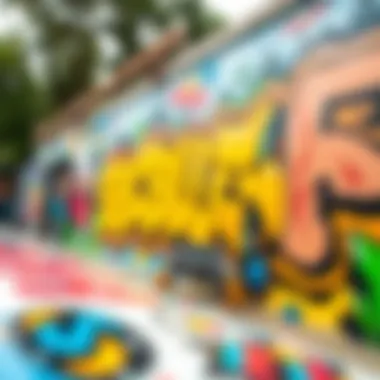
Graffiti and street art hold a significant place in the cultural landscape of skateboarding, serving not just as a visual stream but as a vibrant thread weaving together the ethos of both worlds. The importance of this role extends beyond mere decoration; it acts as a form of expression that speaks directly to the heart of skate culture. The gritty underbelly of city streets, where skateboarding often thrives, is deeply influenced by the tags and murals that adorn walls and curbs. This synthesis enriches the skateboarding experience, lending a raw authenticity to the sport and fostering a unique cultural identity.
Graffiti's Influence on Skateboarding
Graffiti has left an indelible mark on the skateboarding scene in many ways. For starters, the visuals present in urban environments provide a backdrop that enhances the act of skating. When skaters glide over streets lined with vibrant tags, they’re tapping into a history of rebellion and creativity that graffiti embodies. The coexistence of skateboarding and graffiti is often seen in skate parks, where walls become canvases for artists who want to leave their mark while skaters perform tricks nearby.
- Expression of Rebellion: Both graffiti art and skateboarding share a common thread of defiance against societal norms. This parallel creates an atmosphere where each can thrive, fostering a community spirit based on understanding and appreciation.
- Aesthetic Appeal: The colors and styles of graffiti can significantly enhance urban environments. Skaters might find motivation not just in their own tricks but in the art that surrounds them, leading to a richer skating experience.
- Cultural Conversations: By integrating graffiti into skateboarding, it sparks conversations about social issues. The art can address themes such as inequality, freedom, and resistance, often mirroring the feelings of those within the skate community.
A notable case of this synergy can be seen in the artwork of artists like Shepard Fairey, whose designs have effectively captured the spirit of skateboarding and street culture, inspiring a newer generation of both skaters and artists to push boundaries.
Notable Collaborations
The cross-pollination of graffiti and skateboarding has bred some truly remarkable collaborations. These partnerships often celebrate the shared roots, amplifying the voices of artists while providing skaters with unique pieces that tell stories.
- Zero Skateboards and Jim Phillips: Collaborations between skateboard brands like Zero and artists such as Jim Phillips led to iconic graphics that became synonymous with skate culture. Phillips’ intricate designs often reflect the chaotic yet creative spirit of skateboarding.
- Element Skateboards and Various Street Artists: Element has thrown its hat into the ring by aligning with street artists who share their vision of art and the environment. This partnership not only highlights art but also emphasizes ecological themes, resonating deeply with the community.
- Independent Collaborations: Many skaters who are also artists take it upon themselves to create custom graphics blending their passion and storytelling. These personal touches give boards a narrative that often resonates more deeply than mass-produced artwork.
"Art is the ultimate expression and skateboarding is no different. When combined, they can tell stories that simply skating or painting alone cannot."
As grappling artists take to the streets with spray paint, so too do skaters with their boards. This collaboration speaks volumes, illustrating an ongoing dialogue through art that transcends simple aesthetics, rooting itself deeply in culture. The shared passion between the two forms can drive the evolution of each, further intertwining their destinies in both urban landscapes and artistic communities.
Through these explorations of graffiti and street art, the relationship proves to be more than a mere coincidence; it is a transformative force in the world of skateboarding that uplifts voices while maintaining an ever-evolving identity.
Skateboards as a Medium for Artistic Expression
Skateboards have long transcended their primary function as mere tools for sport or recreation. They have emerged as canvases that reflect artistic innovation and personal expression. The integration of art and skateboarding embodies a unique cultural narrative that resonates deeply within the skateboarding community. Each design and illustration contributes not only to the aesthetic appeal of the board but also to a deeper dialogue about identity, value systems, and social commentary.

One striking aspect of this topic is personalization. Skaters often choose designs that resonate with their personal stories or ideals. It's not simply about aesthetics; it’s a badge of identity. Many skateboarders take pride in deploying custom boards featuring original artworks, illustrations, or even images that tell a story from their life. This characteristic makes skateboarding art profoundly personal—each board tells a story just as a fine painting might.
Beyond personal expression, skateboard art fosters community connections. Local artists collaborate with skaters, fueling a symbiotic relationship that enhances the cultural fabric of skateboarding. Here, everyone contributes, encouraging new ideas and creativity.
Moreover, skateboards as a canvas challenge the traditional view of what art can be. They force us to reconsider where and how art exists in our daily lives. The board becomes a mobile piece of art, present on the streets, parks, and even galleries. This fluidity exemplifies art's role as a tool for social engagement; it’s a way to address pressing societal themes that speak to the community at large.
Personalization and Custom Boards
The art of customizing skateboards is a tradition that illustrates the individuality of the skater. Each skater’s board can act as a reflection of their ambitions, aspirations, or even their local culture. Some may opt for graffiti styles that pay homage to their neighborhood, while others might choose abstract expressions that align with their creative interpretation of skate culture.
Simply put, custom boards stand out visually, but the significance goes much deeper. While the vibrant colors and intricate designs often grab attention, they invite viewers into the skater's world.
- For example, a board adorned with a local skate park's landmark can spark nostalgia and connection among skaters familiar with that space.
- Custom designs and artwork also open doors for new artists to gain visibility, allowing their work to reach a wider audience.
In this way, custom boards become a conversation piece, linking skaters with artists and the broader community. It’s this shared space that encourages creativity and artistic exploration.
Art Exhibitions and Competitions
Art exhibitions and competitions specific to skateboarding have gained momentum over the years. These events serve not just to showcase talent but also to elevate the status of skateboarding as an art form worth recognizing and celebrating. Skaters and artists come together under one roof, sharing ideas and innovations that spark further creativity.
In recent exhibitions, galleries have featured everything from historic boards to contemporary works that engage with the evolving landscape of skate culture. Competitions often invite artists to craft unique designs for boards that represent various themes, which are commonly open to public voting or expert judging. This collective aspect intensifies the vibrancy of community engagement.
- Expos and events such as the "Vans Off The Wall Gallery" host art shows that focus exclusively on the intersection between skate culture and visual art. Events like these feature both renowned and up-and-coming artists, providing them with a platform to express their artistry.
- Such competitions encourage innovation and exploration, pushing artists to think outside the box, as they blend techniques and styles while maintaining the core of skate culture.
Cultural Significance of Skateboarding Art
The fusion of skateboarding and art isn't just a pastime; it's a cultural phenomenon that reflects the evolving nature of societal values and youth identity. Skateboarding art serves not only as personal expression but also as a canvas for broader commentary on social issues. From social justice to youth rebellion, it captures and reflects the sentiments of its time.
Artistic expressions in skateboarding speak volumes about the communities that embrace them. This intersection allows artists and skateboarders to push boundaries, reshaping perceptions and enhancing the cultural fabric. Through vibrant graphics on decks, or elaborate murals in skate parks, art transforms skateboarding from mere sport into an influential statement of culture.
Reflection of Societal Themes
Art in skateboarding offers a lens into societal themes entwined with urban culture. The societal backdrop of skateboarding often reflects themes that challenge the status quo. For instance, street art presented on skateboards often conveys messages about inequality, identity, and resistance.
Many skateboarders find themselves navigating environments laden with economic disparity and cultural struggles. Artists like Shepard Fairey and Banksy have captured these themes profoundly, infusing their work with political motivations. Whether it's a stark commentary on the change in urban landscapes due to gentrification or a celebration of local culture, the artistry encourages dialogue within and beyond the skate community.
Consider this:
- Empowerment: Many skateboard artists use their platforms to promote activism, addressing issues such as climate change and social justice.
- Expression: The designs serve as personal and collective declarations, affirming identity and belonging among skateboarders.
- Visibilty: These artworks unveil untold stories, paving the way for conversations that challenge societal norms.
Community and Identity Formation
Skateboarding art plays a vital role in shaping community and identity. It creates a sense of belonging, not only among skateboarders but also within the broader society. The designs and artistic expressions found in skateboarding highlight individuality while simultaneously forging collective ties.
Within local skate parks, the artwork becomes a storyteller of sorts, reflecting who skaters are and where they come from. The colorful designs emblazoned on decks encapsulate experiences and aspirations, guiding newcomers and seasoned riders alike toward a shared identity.
Key elements influencing community building include:
- Local Culture: Artists often draw inspiration from their surroundings, which nurtures a unique culture rooted in locality.
- Collaboration: Community projects, such as murals in skate parks, foster interaction between local artists and skateboarders, enhancing unity.
- Events and Competitions: Gatherings or contests that showcase artistic skills offer platforms for individuals to express identity and creativity collectively.
In summary, the interplay between skateboarding and art creates robust avenues for societal reflection and identity affirmation, breathing life into communities while echoing the voices of its members. As a living form of culture, this intersection not only enriches personal narratives but also contributes to the evolution of artistic expression in society. Greater understanding of this significance can help enthusiasts, artists, and creators engage more meaningfully with both art and sport.
"Skateboarding is a way of life, not just a hobby. Art is the thread that stitches together our experiences." - Unknown
Related Links:
- Wikipedia: Skateboarding
- Britannica: Skateboarding Culture
- Reddit: Skateboard Artists
- Skateboard Community Facebook Group
The Impact of Technology on Skateboarding Art
Technology has transformed countless aspects of modern life, and skateboarding art is no exception. The intersection of technology and creativity has not only influenced how artists express themselves but also how skateboarders experience and engage with their culture. Here, we explore the vital elements that connect technology with skateboarding art, noting benefits and considerations along the way.
Digital Art and Skate Culture
In the age of digital tools, artists have found a new canvas in the form of digital media. The accessibility of software like Adobe Illustrator and Procreate allows artists to master their craft without the constraints of traditional materials. This ease opens the floodgates for experimentation and innovation. For instance, artists can manipulate colors, shapes, and designs swiftly, shifting from initial sketch to polished piece in far less time than ever before.
Furthermore, artists like Clive Dixon and Bobby Dekeyser have harnessed this technology to push boundaries. They aren't just creating art that blows minds; they’re making designs that can be printed and applied directly onto skateboard decks. Such advances in computer-aided design (CAD) enable a seamless transition from idea to product. Popular skate brands, like Element and Baker, benefit from this as they continually update their collections with fresh, captivating designs that reflect current trends and artistic movements.
Digital art has made the skate culture more inclusive. Anyone with a smartphone or tablet can explore their creativity, breaking barriers that once limited artistic expression.
However, this shift also brings a few challenges. The focus on digital art may lead some to overlook the traditional techniques that formed the backbone of skate art. Artists need to strike a balance and appreciate both the technological advancements and the rich history from which they spring.
Social Media's Role in Art Dissemination
Social media platforms have acted as game-changers in how skateboard art is shared and appreciated. Sites like Instagram and Pinterest serve not just as galleries but also as vibrant communities. Here, countless artists showcase their skate-inspired work to a global audience, often gaining recognition overnight. This accessibility allows for dialogues that cross borders and cultures, uniting enthusiasts in a shared appreciation for creative skateboarding art.
For retailers, leveraging social media is crucial. Features like sponsored posts and story highlights help brands like Supreme and Anti-Hero tap into current trends while reaching a diverse audience eager to embrace innovation in skate designs. Moreover, when social media users share their own creations, it fosters a sense of community that encourages collaboration among artists and fans alike.
Yet, it’s essential to consider the implications of this digital exposure. The rapid pace of social media can dilute the artistic merit as trends change faster than a skateboarder can land a trick. Artists sometimes feel pressured to churn out content rather than craft meaningful pieces. As the skateboarding world becomes more interconnected, it’s vital for both artists and consumers to remain aware of the integrity of the art.
The Future of Skateboarding Art
As the wheels of the skateboard keep turning, so too does the realm of skateboard art evolve. It's not just about getting from point A to B anymore; it's about the expression of individuality, culture, and a deeper connection with the community. Looking ahead, the future of skateboard art is not only poised to reflect changes in style but will also encapsulate pressing societal issues and technological advancements.
Emerging Trends
The skateboarding art scene is ripe with trends that echo the broader shifts in society and technology. As artists embrace new tools and methods, these trends don't just stop at aesthetic appeal—they aim to foster connection, social commentary, and even activism. Here are some notable currents shaping skateboard art's future:
- Integration of Augmented Reality (AR): Imagine scanning your board with a smartphone and witnessing a vibrant animation unfold atop the skateboard. Artists and brands are exploring AR to bring static designs to life, creating a dynamic interaction between skater and art.
- Streetwear Collaborations: Merging two influential cultures, brands are partnering with independent artists to create limited-edition skateboards that double as fashion statements. These collaborations often break the mold of traditional design, ushering in bold graphics and unexpected themes.
- Community-driven Art Projects: Increased interest in grassroots movements has led to local skateparks commissioning regional artists to create site-specific works. This fosters local identity and gives artists a platform while allowing skaters to feel united through localized aesthetics.
The consequences of these trends resonate widely. By playing with new mediums and collaborating across disciplines, the future of skateboard art doesn’t just stay confined to skateboards. It spills into public spaces and elevates discussions around cultural identity and community engagement.
Sustainability in Skateboard Art
The conversation about sustainability can no longer be an afterthought. With growing awareness of environmental issues, skateboard art is evolving to remain conscientious and responsible. Here, the future holds particular promise for artists committed to eco-friendly practices.
- Materials Matter: Artists are increasingly sourcing sustainable materials for their boards. Recycled plastics, bamboo, and reclaimed wood have become prized mediums that not only reduce waste but add a unique character to each piece.
- Organic Inks and Dyes: The introduction of plant-based inks and dyes is not just a trend; it’s a movement toward reducing the harmful chemicals typically used in printing designs. These inks produce vibrant colors and are more aligned with eco-conscious values.
- Upcycling Projects: Many artists are turning discarded skateboards into new works of art. This process involves creativity and a commitment to sustainability, demonstrating that even what is thrown away can yield beautiful art pieces.
The intersection of skateboarding and art is becoming a platform for environmental advocacy. The rise of sustainable practices in skateboard design and art doesn’t just contribute positively to the planet; it spurs important dialogues about responsible consumption and the creativity inherent in upcycling.
"Art should disturb the comfortable and comfort the disturbed." This idea increasingly reflects in the future of skateboard art, pushing boundaries and inviting conversations that matter.
In summary, the future of skateboard art is bright, alive with possibilities that extend beyond the mere aesthetics of a board. It's a blend of tradition, innovation, and awareness, tied together by a community that thrives on both individuality and collaboration.
Finale
In wrapping up this extensive exploration of the intricate relationship between skateboarding and art, it becomes essential to underscore the significance of this intersection. Art in the realm of skateboarding does not merely embellish a board; it encapsulates the essence of a culture that thrives on self-expression and individuality. Styles and designs on skateboards are not just visuals; they serve as a canvas where the ethos of skate culture is painted, often depicting deep feelings and social commentary.
Revisiting the Connection
Revisiting the connection between skateboarding and art offers insights into how these two domains have influenced one another over the years. Artists like Keith Haring and street legends such as Shepard Fairey have transformed the way we perceive not just skateboards but the entire urban landscape. The graphics on a skateboard can reflect societal changes and movements, marking their relevance in a broader cultural narrative. Skate parks have also become contemporary galleries, showcasing local talent and inviting dialogue within communities.
- Art as Expression: The designs on skateboards often illustrate a rider’s personality or story, providing unique identity in a world where conformity reigns.
- Cultural Commentary: These designs can challenge societal norms, provoke thoughts, or even celebrate culture, making them a vital part of the conversation around art.
Encouraging Collaborative Dialogues
Encouraging collaborative dialogues emerges as a beneficial endeavor for both the skateboarding and artistic communities. When artists collaborate with skateboarders, the outcome often leads to innovative designs that resonate with a broader audience. Understanding the nuances of skate culture enables artists to produce work that can hold meaning in both realms. Workshops, exhibitions, and community events encourage this collaboration, offering platforms for exchange.
- Workshops: Hosting events where artists can interact with skaters allows for a natural fusion of ideas.
- Exhibitions: Art shows dedicated to skate art not only highlight talent but also bring visibility to the stories behind each board.
- Social Media: Platforms like Instagram and Reddit provide spaces for skaters and artists to share their works, fostering a sense of community.
In summary, this interconnectedness between skateboarding and art is not just relevant; it is crucial for continuous growth and innovation. It champions a culture of creativity, pushing boundaries and creating spaces for voices that often go unheard. Through art, skateboarding transcends its physicality, becoming a vibrant form of expression and a reflection of society's evolving narrative.