The Riot Society Aesthetic in Skateboarding Apparel
Intro
The world of skateboarding is more than just a sport; it’s a vibrant tapestry of culture, style, and self-expression. Among various brands that have made waves, Riot Society stands out for its eclectic designs that speak to the heart of the skate community. This article seeks to unpack how Riot Society not only decorates skateboards but also narrates stories through its apparel. As skateboarding matures from a fringe activity to a mainstream lifestyle, understanding how fashion interconnects with technique and culture becomes vital. From the streets to the skateparks, every garment tells a story, welcoming both the seasoned skater and the curious newcomer into its embrace.
With a focus on stylistic elements, we will delve into the broader narrative of skateboarding as a lifestyle, examining how brands like Riot Society contribute to that conversation. Let's look closely at the dimensions of skateboarding—technique, culture, and community—where the roots of this aesthetic lie.
Skateboarding Techniques
Skateboarding isn’t just about looking cool; it’s a blend of art and physics, woven seamlessly into the fabric of fashion. Tricks and maneuvers, the core of skateboarding, ultimately influence the styles we wear. For those just stepping on the board, mastering basic techniques lays the groundwork for further exploration in their personal style.
Beginner Tricks and Tips
As a new skater, the goal can feel daunting. However, success lies in simplicity. Here’s a quick rundown of foundational tricks:
- Ollie: The foundational move that involves popping the tail of the skateboard using your back foot.
- Kickflip: A step beyond the ollie; it introduces flipping the board with your front foot.
- Manual: Balancing on two wheels while rolling forward. This trick helps develop balance.
Tips for beginners include:
- Wear sturdy shoes that support your feet; some folks swear by Vans or DC Shoes.
- Practice on flat surfaces before hitting ramps or uneven terrain.
- Watch videos for visual guidance, but don’t forget to feel the board under your feet.
Advanced Maneuvers and Strategies
For those who’ve mastered the basics, the space opens up for creativity. Advanced tricks often dictate trends in skate fashion, pushing the envelope further. Here are a few:
- Heelflip: Similar to a kickflip but utilizes the heel to flip the board.
- Grind: Sliding on obstacles like rails or curbs. It requires precise timing but can significantly elevate style points.
- Switch: Riding with your opposite foot forward, adding complexity to your routine.
Skateboarders often adopt fashion that mirrors their skill level. As they progress, the desire to represent their style—whether through Riot Society’s bold graphics or minimalist designs—grows as well.
Skateboarding Culture
Fashion in skateboarding transcends practicality; it’s a means of self-expression and identity within the community. Brands like Riot Society play a crucial role in shaping this cultural narrative.
Fashion Trends in Skateboarding
Skate fashion has evolved, influenced by various subcultures and movements. Some discernible trends include:
- Graphic T-Shirts: Featuring bold illustrations that often convey social messages or personal philosophies.
- Baggy Pants and Cargo Shorts: Emphasizing comfort and freedom of movement.
- Bucket Hats and Caps: Accessories that have become staple items among skaters.
The colorways and designs from brands like Riot Society often reflect a deeper connection to the skateboard life, creating a unique ethos that resonates with many.
Events and Community Spotlights
Skateboarding’s culture thrives in community settings—events, competitions, and local skate spots. Recognizing these gatherings can further enhance one’s understanding of skate fashion. Events like The Vans Park Series and local skate jams serve as platforms where brands showcase their latest apparel and designs. These events are more than contests; they create a sense of camaraderie and shared passion among skaters.
"Boarding is not just about the tricks; it’s about the people, the culture, and the clothes that tie us together."
As Riot Society continues to make its mark both in designs and identity-building, the conversation around skateboarding as more than just a sport remains alive. For skateboarders, the journey goes beyond the board; it’s about expressing who you are through every aspect, including style.
As we dive further into Riot Society's aesthetic, we’ll see how these elements come together to paint a broader picture of the skateboarding lifestyle.
The Essence of Skateboarding Culture
The essence of skateboarding culture is a rich tapestry woven from the threads of creativity, rebellion, and community. Understanding this culture is crucial for grasping how brands like Riot Society carve out their unique identities in the marketplace. The unfiltered expression, captured in the way individuals choose to skate and the apparel they don, speaks volumes about their values and lifestyle.
Historical Context of Skateboarding
Skateboarding didn't just pop up overnight; it has roots that delve deep into the shores of 1960s California. Originally, surfers sought a way to ride the waves on land when they couldn't make it to the water. This laid the groundwork for what would become an influential subculture. Over the years, skateboarding evolved through various phases—from the mere transportation method of young kids to a form of street art that sparks global movements.
The late 1970s marked the shift of skateboarding into a competitive sport, fueled by the birth of vertical skating and the emergence of iconic skate parks. Henceforward, skateboarding became a powerful expression of youth identity. Each era brought about distinct influences, whether it be punk rock in the 1980s or the emergence of the X Games in the 90s, which showcased the athletic aspect of skating to a wider audience. Today's skateboarding culture is a homage to its past, mixed with an ever-changing contemporary flair.
Skateboarding as Art Form
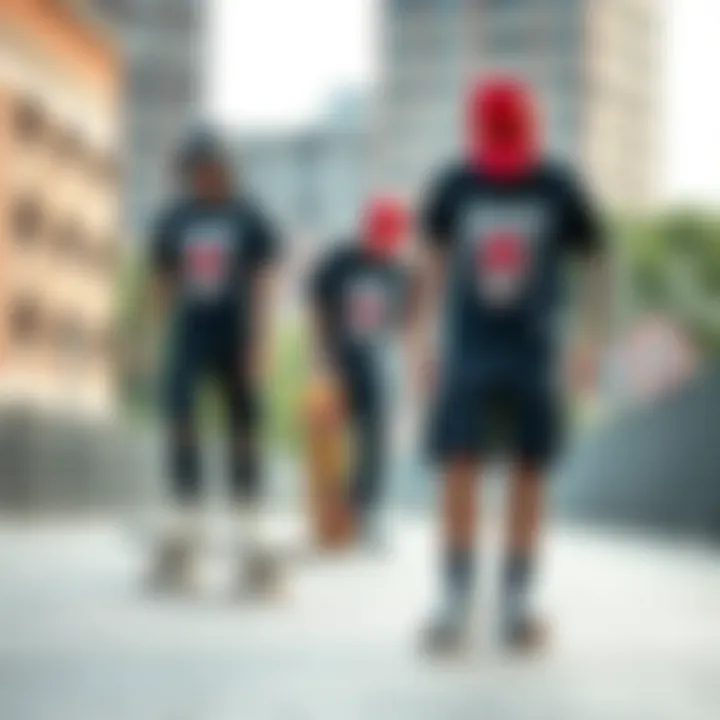
If one thinks skateboarding is merely a sport, one couldn't be more mistaken. It is, at its core, an art form—an embodiment of style, balance, and movement. Every kickflip and ollie paints a picture that goes well beyond getting from point A to point B. Skateboarding has an innate ability to transform urban landscapes into canvases, where the skater becomes both the artist and the artwork.
Street spots are not just areas to skate; they're venues of expression where skateboarders bring their personality into play. To many, skating is a dance on pavement. It communicates feelings—freedom, anger, joy—a message often echoed in the apparel worn by the skaters. Riot Society thrives in this space, offering clothing that resonates with skaters as not just a uniform but as an extension of themselves.
In combining art with sport, skaters have developed their own iconography—through graffiti and graphic designs found in skatewear—that's rich in meaning and symbolism. Each piece tells a story, whether it's the imagery related to the defiance of gravity or the cultural references that resonate deeply within the subculture.
"Skateboarding is a state of mind, a spirit captured in motion. Each rider is a storyteller, and their moves are the narrative threads that connect beyond just tricks on a board."
Through the lens of skateboarding culture, it's clear that style, identity, and freedom seamlessly mesh. Brands like Riot Society tap into this aesthetic, conceptualizing clothing that speaks not just to skaters but to anyone yearning for a slice of individuality in a homogenized world. The essence of skateboarding is ever-evolving, but its core remains unchanged—an invitation to defy convention and create something beautiful.
Clothing Brands Defining Modern Skate Style
In the landscape of skateboarding, clothing brands are not just about making a profit; they serve as beacons of identity, style, and community. They capture the essence of the culture, intertwining aesthetics with functionality. The importance of brands like Riot Society in this realm can't be overstated. They mirror the consciousness of the skate world and play an essential role in shaping how skaters express themselves. Skateboarding is about individuality, and these brands provide skaters with the tools to carve out their unique identities.
By adopting and adapting elements from street art, music, and other subcultures, these brands create a visual language that resonates with the lifestyle of skaters. It's not simply about a T-shirt or a hoodie; it's about representing a way of life. When someone chooses to wear Riot Society, they're not just putting on a piece of clothing. They are making a statement about who they are and where they stand within the skateboarding community.
Preface to Riot Society
Riot Society has made waves in the skate fashion scene, capturing attention not only for its designs but also for its rebellious vibe. This brand emerged as a response to conventional skatewear, pushing the envelope with vivid graphics and bold themes. Founded by creatives who breathe skate culture, Riot Society consistently reflects the individuality that is at the heart of this community.
With designs that often draw from elements of pop culture, punk rock aesthetics, and social commentary, Riot Society stands apart from more mainstream brands. The use of vibrant colors and striking imagery often sits alongside messages that challenge societal norms. Skaters are drawn to these bold expressions of creativity and dissent, bridging the gap between fashion and ideology.
Each piece serves as a canvas showcasing artistic expression while remaining functional for the rigors of skateboarding.
Key Elements of Riot Society's Branding
Riot Society has crafted a brand identity that intertwines creativity with a sense of belonging amongst skaters. Key elements include:
- Imagery and Artistry: The designs feature eclectic artwork that often fuses humor with critique, providing skaters with conversation starters.
- Quality and Comfort: Unlike some brands that prioritize style over substance, Riot Society doesn’t skimp on quality. Their clothing is made to withstand the wear and tear of daily skating.
- Inclusivity: By embracing varied styles and promoting messages of acceptance, the brand caters to a wider audience, making it relatable to both seasoned and novice skaters alike.
- Cultural Commentary: Riot Society captures the nuances of contemporary society, embedding relevant dialogues into their designs. This not only attracts attention but fosters a deep connection with customers who share similar sentiments.
This ability to embody creativity while engaging with broader cultural issues has helped Riot Society carve out a niche as a leading player in the skatewear arena.
In the world of skateboarding, where individual expression reigns supreme, understanding the influence of brands like Riot Society is paramount. They don't just help skaters dress; they build a bridge to a community where style, creativity, and rebellion flourish.
Visual Aesthetics in Skatewear
The visual aesthetics of skatewear carry a weighty significance, weaving together personal identity, community values, and the artistic flair of the skateboarding culture. In a world where skateboarders often seek to assert themselves through their attire, the importance of graphic designs and color choices cannot be overstated. These visual aspects not only capture individual expression but also reflect the ethos of the larger skate community.
Graphic Designs and Iconography
When you look at a brand like Riot Society, the first thing that likely catches your eye is the graphic designs. Their artwork is not just decoration; it serves as a conversational piece. The incorporation of bold graphics and eye-catching iconography tells a story. Skateboarding, at its core, is about pushing boundaries, and this is reflected in the vibrant designs that adorn the clothing.
The designs often draw from various artistic movements and cultural references. You may find elements inspired by pop culture, street art, or even vintage animations. This layered use of imagery resonates with skateboarders who identify with these narratives.
- Cultural Commentary: Many graphics carry subtle or overt messages, sparking discussion and contemplation among skaters.
- Personal Connection: Illustrations that mirror the thoughts, experiences, or aspirations of skateboarders build a deeper emotional link to the apparel.
"The shirt isn’t just a shirt; it’s a canvas that speaks to who you are."
The Role of Color Schemes
Color schemes play a pivotal role in defining the aesthetic appeal within skatewear. Colors evoke emotions and can easily shift the perception of the brand or piece of clothing. Riot Society, for instance, utilizes a broad palette ranging from dark, moody tones to vibrant bursts of brightness. This variation invites skateboarders of all types – from the daring to the more subdued – to find something that resonates personally.
- Emotional Resonance: Darker colors often invoke feelings of rebellion, while brighter hues are associated with fun and positivity. These connections enhance the shopping experience and align a wearer’s mood with their style.
- Visual Hierarchy: Keeping a consistent theme of colors not only helps in enhancing brand recognition but also facilitates the mixing and matching of pieces, creating a versatile wardrobe.
Each of these elements, graphic designs and color schemes, comprise the visual language of skatewear. They support the idea that clothing is not merely for functionality but serves as an artistic expression, giving voice to the wearer in a way that transcends mere words.
Contrasting Styles: Riot Society and Other Brands
In the realm of skateboarding apparel, the lines can often blur between various brands. Each one carries its own ethos, yet there are distinct ways Riot Society stands apart from its competition. Understanding the contrasting styles between Riot Society and other skate brands not only illuminates individual brand identities but also highlights how these differences resonate with various segments of the skateboarding community.
One critical element to consider is the symbolism embedded within the graphic designs. Riot Society leans heavily into a bold aesthetic, often showcasing vivid illustrations that reflect a distinct attitude. In contrast, many competing brands might adopt a more muted palette, focusing instead on minimalistic designs or classic logos. This divergence serves not only to attract different customers but also to foster community among like-minded individuals. It's the age-old principle: people tend to gravitate towards what resonates with their personal style and beliefs.
Moreover, the cultural narratives surrounding these brands play a pivotal role in defining their appeal. Riot Society thrives on themes of rebellion and self-expression, which strike a chord with skaters seeking to assert their identity against mainstream norms. On the other hand, other well-known brands might connect through heritage and tradition, showcasing their roots in the sport's early days. Such narratives create a dynamic landscape where consumers evaluate brands not merely on style, but also based on the stories they tell.
Similarities with Other Skate Brands
While Riot Society indeed carves its own niche, it’s not entirely an island; there are similarities with other skate brands that are worth mentioning. Collaboration and crossover among brands can be seen as a step towards uniting the skate community. For instance, Riot Society aligns with eco-conscious movements similar to brands like Vans. This commitment to sustainability seems to resonate well with the environmentally aware skater, suggesting a larger trend that multiple brands are adopting.
The price point can also be comparable across various brands. Most skate wear brands strive to offer apparel that balances style and affordability. Riot Society, with its competitive pricing strategy, makes it accessible for the average skater looking to express themselves without breaking the bank. This price consistency plays an important role in consumer choices, enabling a broader audience to opt for skills over cash flow.
In short, there exists a shared foundation among skate brands, characterized by the common goals of serving the skate community while promoting individuality. Yet Riot Society manages to stand slightly apart, often becoming a focal point for those seeking to make a statement through their attire.
Unique Selling Points of Riot Society
Riot Society stands out with unique selling points that resonate deeply with the skateboarding community. One notable aspect is creative storytelling through design. Each graphic t-shirt or trucker hat tells a story that connects with users on a personal level. For instance, their iconic "Cheshire Cat" design not only is visually striking but also symbolizes the mischievous spirit present in skate culture. This artistic flair not only provides a sense of ownership over one’s style but also sparks conversations among skaters who share similar influences.
Another significant selling point that Riot Society brings to the table is the emphasis on inclusivity and values that align with diverse communities. The brand has managed to construct an image that welcomes varying identities and orientations. This sense of belonging translates through the designs, in essence, making this brand more than just clothing—it's almost a badge of membership in a larger movement.
In terms of functionality, Riot Society does not skimp. The fabrics and cuts are tailored for comfort and utility, essential for a skater. Performance-oriented designs ensure that skaters can wear these pieces while maneuvering through grinds and ramps without compromising style. This blend of practicality with bold designs raises the brand's profile among enthusiasts, ensuring that Riot Society is not just another face in the crowd.
To sum it all up, the contrasts between Riot Society and other skate brands enrich the landscape of skateboarding apparel. It offers a lens through which to view not just clothing, but a cultural phenomenon that encompasses individuality, storytelling, and community values.
Consumer Perception of Skate Fashion
Understanding consumer perception in skate fashion is crucial to grasp how brands like Riot Society are positioned within the skateboard community. The way skateboarders, enthusiasts, and retailers perceive apparel contributes significantly to the cultural tapestry of skateboarding. This perception not only shapes clothing trends but also plays a vital role in the ongoing dialogue about identity, community, and self-expression in the sport.
When exploring consumer perception, several elements become apparent:
- Authenticity: Skaters have a keen eye for brands that stay true to the culture. Riot Society's designs often reflect a raw, gritty edge that resonates with skateboarders who value genuine representation.
- Innovation: The skateboarding apparel market is constantly evolving, and brands that introduce fresh designs or creative collaborations often stand out. Riot Society is no exception; their unique graphics and themes keep consumers engaged.
- Social Responsibility: Recent trends show that consumers are increasingly considering the ethical implications of their purchases. Skateboarders are inclined to support brands that practice sustainability and social responsibility in their manufacturing processes.
This last aspect roots itself deeply within the values of the skate community, where the concept of giving back often parallels the ethos of acceptance and inclusivity.
The Influence of Social Media
In today's digital age, social media serves as the new pulse of skate culture. Platforms like Instagram, TikTok, and even specialized forums on Reddit have become not just a place for skaters to share their skills, but also to highlight their style. Images and videos showcasing skate fashion travels far and wide, painting vivid pictures of the aesthetics tied to specific skateboard brands.
Social media influencers play a significant role in shaping perceptions around brands like Riot Society. These influencers often sport the apparel while showcasing their tricks, fostering a direct link between style and performance. Their followers, who are potential customers, often aspire to emulate their favorites, which can lead to increased interest and buzz around specific apparel pieces. For example, a skater in a Riot Society hoodie nailing a trick can evoke a sense of credibility for the brand, subtly influencing buys among viewers.
Furthermore, the organic nature of user-generated content has made skateboarding less hierarchical; individuals with unique perspectives can rise to prominence without the need for a marketing machine. This democratization of influence means every skater's voice matters, dishing out direct feedback that impacts brand perception instantly.
Collective Identity Among Skateboarders
Skateboarding, at its core, is more than just a physical activity; it's a statement of identity for many. The way skaters choose their apparel speaks volumes about how they see themselves within the larger tapestry of the skate community.
A key part of Riot Society's allure lies in its ability to create a collective identity among consumers. Skaters wearing their gear often feel a shared bond, one that transcends geographical boundaries. The imagery and slogans that adorn their clothing frequently resonate with shared experiences and challenges faced by skateboarders, fostering a sense of camaraderie.
- Symbolism: The graphics on skate apparel can embody the skater’s beliefs, struggles, and lifestyle. Riot Society embodies this through striking visuals that act as a form of storytelling, making each piece more than just clothing but rather a badge of honor.
- Community Engagement: Riot Society often collaborates with grassroots events, skate parks, and local competitions, ensuring they maintain a presence in the community. This reciprocal relationship enhances a shared identity, where consumers feel like part of something larger.
The Role of Skatewear in Self-Expression
Skatewear is not just about comfort or durability; it serves as a canvas for storytellers, a medium through which skateboarders express their individuality. In a world where subcultures often intermingle, clothing choices have become a powerful tool for self-definition and communication. This section examines the pivotal role skatewear plays in showcasing personal style and identity among skaters, with a focus on Riot Society's distinct offerings.
Fashion transcends mere fabric and stitches in this context, forming a vital aspect of how skaters relate to their community and the world around them. When someone dons a Riot Society tee adorned with a striking graphic, they are not just showcasing a piece of apparel; they are proclaiming their affiliations, beliefs, and artistic expressions. It’s about stepping into a scene without saying a word but being understood and acknowledged.
Fashion as a Reflection of Individuality
Skatewear, particularly through the lens of Riot Society, encapsulates the essence of individuality. Each piece is crafted with an eye toward unique designs that resonate deeply with skaters. These creations often feature bold graphics and unconventional motifs, which signal that the wearer is not shy about standing out in a crowd.
What sets Riot Society apart is its commitment to intertwining artistry with functional apparel. For instance, a hoodie or skateboard deck that sports a vivid illustration invites conversation, likening itself to a mobile gallery that tells stories of rebellion, creativity, and defiance. This form of clothing doesn’t just cover one’s body; it unveils the personality underneath.
- Artistry: Each design tells a story, appealing to emotions that are universal yet profoundly personal.
- Subversion: Riot Society often flips traditional iconography, questioning societal norms while creating a sense of belonging and defiance.
- Personal Choice: The decision to wear or showcase certain designs reflects a conscious choice about one’s identity.
Ultimately, the contributions that clothing like Riot Society makes to self-expression are immeasurable. Skatewear isn’t merely a fashion statement; it’s a way of life that encourages individuals to wear their hearts on their sleeves, showcasing their artistic inclinations and personal journeys.
Community Ties and Collective Expression
Fashion in the skateboarding realm goes beyond individual representation and fosters a sense of community among skaters. Riot Society's ethos embodies this duality: promoting personal expression while cultivating a shared identity among its wearers. When a group of skaters wears similar clothing, they signal their connection not just to a brand but to a larger culture that thrives on camaraderie and mutual respect.


Skaters often find themselves aligning through shared fashion choices, creating bonds that transcend words. The act of donning a Riot Society shirt in a local skate park might suggest an unspoken agreement of acceptance and understanding among peers. It weaves a fabric of connection that can transcend geographical and social barriers.
- Shared Values: The aesthetics and principles of brands like Riot Society are rooted in skate culture's sentiment—innovation, freedom, and an anti-establishment ethos.
- Visual Language: Skatewear provides a visual language that enables quick recognition among skaters, forging instant bonds based on style.
- Collective Identity: Wearing similar designs fosters a collective identity, creating a tribe where everyone feels included and valued.
"Fashion is not merely what you wear; it is how you articulate who you are and where you stand in a community."
Skateboarding apparel, thus, tracks both personal journeys and collective narratives, making it a vital beacon of identity and belonging in the sport.
Future Trends in Skateboarding Apparel
The world of skateboarding apparel is not just about what’s on trend today; it’s about foreseeing what will resonate with the community tomorrow. As skate culture evolves, so does its fashion. Future trends in this arena particularly highlight essential aspects like sustainability and emerging designers. These elements not only affect what apparel will hit the market but also how skaters identify themselves within the culture.
Sustainability in Skate Fashion
In recent years, a spotlight has been placed on sustainability in skateboarding apparel. The industry has begun to wake up to its environmental responsibilities. Many brands, including Riot Society, are increasingly considering the materials they use. Sustainable skate fashion often employs organic cotton, recycled polyester, and innovative fabrics made from waste materials. This shift does not only appeal to eco-conscious skateboarders but also reflects a growing understanding that fashion can be a force for good.
Some of the benefits of embracing sustainability in apparel include:
- Reduced environmental impact: Minimizing landfill waste and lowering carbon footprints are critical goals in modern fashion.
- Increased awareness: Consumers are more educated than ever about their purchasing choices, and a sustainable label resonates well.
- Loyalty from skaters: Brands that take a stand on environmental issues often cultivate a loyal following.
However, it's not all smooth sailing. There are also notable considerations; high-quality sustainable materials can bring up production costs, which might limit access for some skateboarders. Yet, the interest in sustainably made apparel indicates that the community values transparency and ethics over mere price.
Emerging Designers and New Aesthetics
The skate scene continually thrives on innovation, with emerging designers injecting fresh perspectives into the mix. These newcomers often explore the boundaries of aesthetics, challenging conventional views of skate fashion. For example, designers may merge street culture influences with high-end fashion elements, creating pieces that resonate on multiple levels.
Current trends show a rise in:
- Local craftsmanship: Skaters are drawn to designers who infuse their work with personal styles and local culture, locally sourced materials being a core component here.
- Collaborations: Merging different artistic visions has become a hallmark in skate fashion. Brands collaborate with graffiti artists, musicians, and even animated shows, intertwining narrative and illustration into wearable art.
- Gender inclusivity: Skate fashion is moving towards being more inclusive. Emerging designers are breaking down barriers with unisex collections that reflect the diverse community of skateboarders.
As skateboarding continues to grow as a lifestyle, the apparel that accompanies it needs to push beyond mere function. The future holds an exciting space for creativity and responsibility, demanding that designers balance style with conscious production.
"Fashion in skateboarding isn’t just about what you wear; it's also about what you stand for."
While the future of skateboarding apparel remains uncertain, one thing is clear: authenticity and a strong connection to community will continue to drive trends, ensuring the culture retains its creative spirit while adopting a more sustainable framework.
End: The Interrelationship of Fashion and Skate Culture
In the realm of skateboarding, the interplay between fashion and culture is intricate and profound. Skatewear is not just clothing; it's a vibrant expression of one's identity within the community. As we've explored throughout this article, brands like Riot Society epitomize this connection by crafting designs that resonate deeply with the skateboarding ethos.
Skateboarding itself has evolved from a fringe activity into a robust cultural movement. Hence, the apparel associated with it has transitioned from mere utilitarian garments to fashion statements with substantial meaning. riot Society’s aesthetic, marked by bold graphics and urban influences, reflects the rebellious spirit of skateboarding. This significant aspect allows skaters to communicate their beliefs and styles through their clothing.
By examining the details mentioned herein, we can see that fashion in skate culture serves multiple purposes:
- Identity Formation: Apparel like that from Riot Society distinguishes skaters from other subcultures, showing their allegiance to skateboarding and its values.
- Social Connectivity: Wearing similar styles fosters a sense of belonging among skaters, letting them feel part of something bigger.
- Artistic Expression: The designs often carry artistic weight, elevating the mundane into something spectacular and thought-provoking.
Ultimately, the relationship between skate fashion and culture exemplifies a broader narrative about personal and communal identity. Skaters use their clothing not only as functional gear but also as a canvas to express ideologies, showcase artistic creativity, and embrace the culture they are part of. This dynamic meld of fashion and spirit creates a unique atmosphere where creativity flourishes, ultimately shaping the future of skateboarding.
Summation of Key Insights
Throughout this exploration, some critical insights emerge regarding the intersection of skatewear and culture:
- Cultural Relevance: Fashion acts as a mirror reflecting the evolving skate culture, particularly through its roots and grassroots movements.
- Consumer Engagement: The ways skaters interact with brands are not merely transactional; they embody a dialogue that shapes brand identity.
- Diverse Representation: The styles and motifs found in skateboarding apparel cater to a wide array of skaters, ensuring inclusivity and representation.
This melding of cultural expression and individual styling underscores the vital role fashion plays within the broader context of skateboarding.
Reflections on Brand Impact and Community
Riot Society and similar brands have become significant players in the skateboarding scene, not just by selling clothes, but by forging connections within the community. The impact these brands have can be seen across various fronts:
- Brand Loyalty: Skaters often become devoted to brands that mirror their values and aesthetic preferences, particularly those like Riot Society that break the mold and challenge norms.
- Innovative Designs: Such brands push the envelope with their designs, using eye-catching graphics and themes that resonate deeply with their target audience.
- Community Building: Events and collaborations not only promote the brand but also unite skaters, fostering relationships that go beyond skateboarding.
The sense of ownership skaters feel toward these brands reinforces a communal identity. In that light, Riot Society serves as a crucial thread in the fabric of skate culture, illustrating how apparel can shape community dynamics.
This exploration of the Riot Society aesthetic in skateboarding apparel sheds light on the profound connections between fashion, identity, and expression within the skateboarding community, setting the stage for future trends and deeper exploration of what it means to be a skater today.
For further information on the cultural significance of skateboarding, visit Wikipedia or check insights on platforms like Reddit.
Whether you're a retailer seeking to understand your market better, a content creator hoping to engage with your audience, or a skater striving to find your unique voice in fashion, recognizing the intricate ties between skateboarding and apparel can offer invaluable perspectives as we move forward into an ever-evolving landscape.