The Impact of Rap Fashion on Skate Culture


Intro
When one thinks of skate culture, images of oversized T-shirts, baggy jeans, and striking sneakers often come to mind. Similarly, rap has etched its own iconic imagery into the cultural consciousness, with artists donning everything from flashy streetwear to vintage throwbacks. Over the years, what’s labeled as "cool" or "trendy" in rap often finds its way onto the skate parks, influencing what skaters wear and how they express themselves.
As we unpack the essentials—from historical influences to key brands and current trends—the symbiosis between rap clothing and skate culture becomes increasingly evident. It is more than just style; it is a manifestation of identity, community, and the desire to connect.
Next, we will delve into skateboarding techniques, exploring the practical aspects of this exhilarating sport, as they relate to the attire that both rap and skating lend to one another. Dive into the tricks, tips, and unique strategies that not only define skateboarding but also reflect the cultural markers of rap clothing.
Understanding the Roots of Rap Clothing
The expression woven into rap clothing carries more weight than mere fabric and style. To dive into the realms of this fashion is to explore the heritage that birthed it—the streets, the struggles, and the aspirations. Recognizing the roots of rap clothing is more than an analysis of trends; it’s examining a cultural tapestry that intersects with numerous identities, including that of skateboarders. This section lays the groundwork for understanding how rap clothing has not only become a statement of self but also a vital avenue for cultural interchange, particularly with the world of skateboarding.
Historical Context
Rap clothing historically springs from the socio-economic challenges faced in urban neighborhoods. Emerging in the 1970s and 1980s, when hip hop culture was finding its footing, clothing mirrored the vibrant but turbulent backdrop of the time. It was not just about looks; it was a political statement, a badge of resilience. From the colorful tracksuits worn by pioneers like Run-D.M.C. to the oversized tees that defined a generation, every item tells a story. This period laid the groundwork for a style that spoke volumes about identity and community.
Take, for instance, the popularization of brands like Adidas and their signature three stripes, becoming synonymous with hip hop style. These items soon became aspirational symbols for skateboarders, who appreciated their functionality and laid-back vibe. The merging of these two worlds began to take shape as rap and skate culture began to influence each other, creating a unique blend that is noticeable today.
Key Characteristics of Rap Style
Rap style is distinctly characterized by a playful combination of toughness and creativity. Its nonconformity shines through, where bold graphics, vivid colors, and oversized fits reign supreme. Here are some key features:
- Baggy Pants and Oversized Tops: Comfort plays a pivotal role, reflecting the need for freedom of movement, crucial both in rap performances and skateboarding.
- Graphic Tees: These often bear powerful messages or iconic imagery, telling stories that resonate with the wearer’s experiences.
- Footwear: Sneakers are crucial. High-tops like Nike Air Jordans have become classics, appreciated for their blend of style and performance.
- Accessories: From snapbacks to chunky gold chains, these elements add a layer of personalization, allowing for self-expression in numerous ways.
Rap clothing often serves as a canvas for individuality, where each choice reflects not only an aesthetic preference but also a connection to a larger cultural context. It’s this shared sense of identity that resonates particularly within the skateboard community. The streets provide the stage where both cultures perform, collide, and coalesce, shaping trends that echo across entire lifestyles.
The Evolution of Rap Attire
The evolution of rap attire plays a pivotal role in understanding how two seemingly distinct cultures—rap and skateboarding—have melded together over the years. The influence of rap clothing trends and styles can be seen creeping into skate culture, showcasing a dynamic interchange of fashion that resonates deeply with social identity and expression. The way these two cultures intertwine highlights the incredible adaptability of styles and their power in shaping cultural narratives in real time.
The 1980s and 1990s: Golden Age
The 1980s and 1990s marked a golden era for rap attire, when loose-fitting clothing became a symbol of rebellion and autonomy. Artists like Run-D.M.C. were at the forefront, donning adidas tracksuits and oversized gold chains, which became cultural icons of the hip-hop style. These elements weren't just about the fabric; they were about expressing one’s identity and standing out from the crowd. Skaters began to take cues from this rebellious edge, gravitating towards baggy pants and brightly colored shirts that reminiscent of the energetic beats and expressive lyrics from their favorite tracks.
During this period, many clothing brands like Cross Colours emerged, catering to this new urban style. This wasn’t mere happenstance, as streetwear devoloped into a significant player in the fashion industry, infusing the skating world with the same spirit that characterized rap music. At this intersection, we start to see the birth of skater-friendly merchandise that approximated the bold and vibrant aesthetics seen in rap fashion.
"Fashion in these years reflected a revolution of ideas and attitudes that resonated deeply with the youth."
The 1990s further witnessed the rise of urban skate brands like Stüssy and Supreme, merging the laid-back vibes of skate culture with the lounging essence of rap. Skateboarders began incorporating elements like graphic tees that bore rap legends' faces or lyrics, crafting a unique aesthetic that depicted their appreciation for the genre. The lines between rap and skate fashion weren't just blurred; they practically dissolved, giving rise to a culture where wearing these styles felt like a badge of honor within the community.
2000s to Present: Mainstream Influence
Fast-forward to the 2000s and beyond—the influence of rap attire began to seep solidly into mainstream fashion. No longer confined to its roots, rap style found its way into high-end fashion houses, with designers like Kanye West showcasing collections that echoed the skater aesthetic while still holding onto rap's roots. Hoodies, snapback caps, and oversized tees became staples in both communities, representing a comfort and aesthetic appeal that appealed to many.
Skate culture became intertwined with the likes of celebrities and musicians, creating a wave where brands were not just selling clothes—they were promoting a lifestyle. Consequently, collaborations between rap artists and skate brands like DC Shoes and Element thrived; each piece released came with a narrative tightly wound around cultural significance and personal expression. The sentiment behind each stitch spoke volumes to the audience, who wore these not merely as fashion statements but as a form of self-identity.
In addition to the fashion choices themselves, social media played a monumental role in amplifying these influences. Platforms like Instagram showcase skaters and rappers alike, donning the same trends while offering a visual feast on the fusion of styles. As followers, fans not only admired their favorite artists but began to adopt and adapt these looks into their own daily wear.
Seen across platforms like reddit.com and other community forums, discussions often revolve around how fashion serves as a stage—a way of performing identity that resonates deeply with both rap enthusiasts and skateboarders. In this modern landscape, rap attire has undeniably shaped skate culture, making it a visually vibrant scene that bridges various social backgrounds and artistic expressions.
Fashion Labels in the Rap Scene
Fashion labels have become raggedly stitched into the fabric of rap culture, serving not just as attire but as powerful symbols of identity and status. The significance of these labels goes beyond mere aesthetics, weaving intricate narratives into the lifestyles of both artists and enthusiasts. The importance of fashion labels in rap serves as a bridge to skate culture, illustrating how style and identity intersect.
Streetwear Leaders
Streetwear has rapidly evolved, becoming a staple within both rap and skate communities. Brands like Supreme, Palace, and Off-White are not merely about clothing; they represent cultural movements and social statements. These brands have captured the essence of urban living and, in doing so, have molded the very attire skaters and rappers wear today.
- Supreme: Known for its bold logo, Supreme has become synonymous with street credibility. Rappers like Lil Wayne and Drake flaunt their Supreme gear, promoting this label as a mark of exclusivity and style.
- Palace Skateboards: This brand is a prime example of the blend between skate and rap scenes, as it often collaborates with various artists to create limited-edition pieces that resonate with youth culture.
- Off-White: Founded by designer Virgil Abloh, it has made waves across both genres. Rappers frequently showcase Off-White's deconstructed designs, reinforcing a narrative of luxury blended with street aesthetic.
The dynamism of streetwear brands influences how fashion is perceived across cultures, impacting everything from casual wear to high fashion. This interplay generates a continuous cycle of inspiration and aspiration between the two communities, where skaters adopt rap aesthetics and vice versa, creating a rich tapestry of style shared by both.


Iconic Collaborations
Collaborations between rap artists and fashion labels often produce some of the most sought-after collections. These partnerships boost the visibility of both parties and showcase an organic fusion of cultural elements. Here are some noteworthy collaborations that have sculpted modern fashion landscapes:
- Kanye West x Adidas: The Yeezy line transcended the music industry. These shoes became endemic in both rap and skate culture, revered for their look and the luxurious marketing strategy behind them.
- Travis Scott x Nike: With his unique creative vision, Travis crafted a collection that blends the worlds of rap and skateboarding, appealing to fans from both lifestyles. His designs are characterized by a playful and avant-garde style, often featuring unexpected colorway choices.
- A$AP Rocky x Under Armour: A$AP Rocky doesn't shy away from vibrant colors and bold designs. His collaboration introduced a fresh take on athletic wear embedded in street culture, illustrating the crossover appeal of functional yet fashionable attire.
These collaborations not only solidify engagement between rap and skateboarding cultures, but also serve as lucrative ventures for brands. They leverage the stars' influence to reach wider audiences, effectively intertwining their trajectories with the broader fashion dialogues occurring globally.
Ultimately, fashion labels in the rap scene serve as cultural markers—a roadmap displaying how identity, creativity, and community intersect. Understanding these dynamics enhances appreciation not just for the clothing but the narratives they encapsulate.
"Fashion is about more than just clothes; it's about communicating who you are without saying a word."
For more in-depth explorations of streetwear and its impacts, visit Wikipedia or check discussions on Reddit.
Also, for further reading regarding culture and influence, you can explore articles on Britannica or various blogs dedicated to contemporary fashion.
The Influence of Rap Culture on Skate Fashion
In the world of fashion, the line between rap culture and skateboarding has become increasingly blurred. The importance of examining this cross-section cannot be understated. This topic dives into how elements of rap culture, characterized by individualistic and expressive clothing choices, have significantly influenced the skate scene. It’s not just about looking cool; it’s about a shared identity and a way of speaking through fashion. For many skateboarders, their wardrobe is as vital as their board itself, serving as a visual representation of who they are and what they stand for.
As fashion continually evolves, the intertwining of rap and skate styles presents benefits beyond mere aesthetics. For instance, the infusion of streetwear into skate attire has opened doors for new, innovative designs while also allowing skateboarders to incorporate comfort and performance into their clothing. Plus, the collaboration between these communities has sparked exciting trends that often shape broader street fashion narratives.
Cross-Over Trends
Cross-over trends play a pivotal role in shaping how both communities perceive themselves. Influenced by rap's bold graphics and expressive styles, skateboarders are seen embracing oversized shirts and vibrant colors more often than before. The graffiti-like aesthetic, once synonymous with hip-hop culture, has spilled onto skate decks and apparel, creating a sense of unity.
Furthermore, the blend of sneaker culture is another huge aspect of this synergy. Brands like Nike and Adidas have blended signature skate models with rap-inspired colorways or designs. This not only caters to both demographics but also encourages a unique style vocabulary that resonates with the youth today. In many skate parks, you’ll see skaters rocking collaborative lines that feature designs from famous rap figures, and those items often quickly sell out due to their edgy appeal.
Here are some notable trends that showcase this fusion:
- Graphic Tees: Tees featuring murals or popular lyrics that resonate with both rap and skating community.
- Baggy Silhouettes: Comfort has taken precedence, leading to a rise in loose-fitting pants and flannel shirts over skinny jeans.
- Hats and Beanies: Headgear adorned with logos from rap artists, often worn as a fashion statement and identity marker.
Skater-Endorsed Brands
As the connection between rap and skate culture grows stronger, several brands reflect this relationship in their marketing and product lines. Certain companies have managed to bridge these two worlds, not just through visuals but also via endorsements by prominent figures in rap and skating alike. These brands are not just responding to trends; they're shaping them.
For example, Supreme, a brand that has captured the hearts of both skate enthusiasts and hip-hop artists alike, frequently collaborates with influential rappers, ensuring that their limited-edition pieces garner massive hype. Similarly, BAPE's camo and distinctive graphics resonate with both sides, making it a frequent choice among many skaters and rappers.
The reality is, when a rapper wears a skater's label, it offers legitimacy in a world where street cred matters. More than just purchasing power, their endorsement creates a ripple effect, prompting young individuals to emulate their icons. These partnerships not only elevate the brands involved but also contribute to a narrative that encapsulates the essence of urban youth culture—one defined by both rebellion and creativity, firmly riveted in personal style.
"In the clothes we wear, we discover who we are in a world that often tries to label us."
As this relationship continues to flourish, we can expect to see more brands crossing over and impacting emergent trends in both rap and skate fashion—truly a phenomenon worth watching.
Material Choices in Fashion
In the dynamic realms of rap and skate culture, the influence of material choices in fashion cannot be overlooked. The threads that comprise garments do more than cover the body; they express identity, evoke certain lifestyles, and bring together communities. In the past and present, material attributes have played a significant role in the functionality and aesthetics of clothing—both key to the way styles manifest. The fusion of rap and skate culture showcases how specific material choices not only define trends but also contribute to each community's values and aspirations.
Durability vs. Style
One of the core discussions surrounding material choices is the balance between durability and style. For skaters, clothing must withstand rigorous wear, constant movement, and the occasional wipeout. Fabrics such as denim and canvas are staples because they offer resilience and comfort. Skaters like Nyjah Huston and Paul Rodriguez often opt for shorts and jeans that can endure the stresses of their tricks.
However, in the world of rap, the perception of fashion skews more toward aesthetic appeal. Bright colors, flashy patterns, and luxe materials like silk or satin come to the forefront. When artists like Travis Scott or Cardi B step onto the stage, their outfits scream both status and style, often prioritizing statement-making over practicality.
The intersection becomes key—some brands craft pieces that can transition smoothly from the skate park to the streets, offering both durability and street credibility. For example, the brand Palace has effectively combined tailored aesthetics with skate functionality, appealing to both communities.
Fabrics that Define Fashion
The choice of fabrics in rap and skate culture tells a vivid story. Each fabric evokes a different representation of lifestyle and purpose. Here are a few essential materials that shape the fashion of these cultures:
- Denim: A foundational fabric for skaters, denim provides flexibility and durability. Ripped jeans or relaxed fit styles are often foregone for a tailored appearance, engaging with trends while still catering to skate-specific needs.
- Cotton: Lightweight and breathable, cotton is the go-to for rappers and skaters. T-shirts, hoodies, and sweatpants made from cotton blend comfort and style.
- Polyester Blends: These fabrics are often used in streetwear for their moisture-wicking properties. This functionality is welcomed by skaters who sweat during intense tricks.
- Nylon: Seen in windbreakers and athletic wear, nylon mirrors the contemporary aesthetic of both cultures—lightweight yet striking.
As trends evolve, the emergence of sustainable materials is becoming a conversation starter. Brands like Allbirds, which focus on conscious consumption, are making strides to appeal to environmentally aware consumers while maintaining a strong street presence.


Overall, fashion in both rap and skate culture is about more than what meets the eye; it’s about the stories that materials tell. A well-chosen fabric can capture attention, establish identity, and reflect a commitment to the demands of both style and functionality. In a culture that celebrates individual expression, the right materials play a pivotal role in shaping the future of fashion.
Community Impact of Fashion Trends
The intermingling of rap clothing and skate culture serves as a vivid illustration of how fashion transcends mere aesthetics; it shapes identities and communities. Understanding this impact is crucial in comprehending how both cultures preserve their essence while evolving in tandem. These fashion trends often create a dialogue among members of the community, reflecting collective values and experiences.
Identity and Self-Expression
Identity and self-expression are at the heart of both rap and skate cultures. Individuals often use fashion as a canvas to communicate who they are, where they come from, and the messages they wish to convey. In this context, rap clothing, with its bold colors and graphic designs, acts as an extension of personal stories—each piece can symbolize struggles, triumphs, and cultural roots. Skaters, similarly, adopt styles that reflect their lifestyle and attitudes, garnering respect within their circles through what they wear.
For example, a skater wearing a loose-fitting Tupac Shakur t-shirt alongside baggy jeans not only showcases their appreciation for the artist but also aligns them with the rich heritage of hip-hop culture. This blend allows them to resonate deeply with others who share similar values of freedom and rebellion. In contrast, the adoption of certain styles can also lead to clashes or misunderstandings, particularly when a trend is appropriated without acknowledgment of its origins.
Social media amplifies this dynamic, where trends spread like wildfire. Influencers on platforms like Instagram and TikTok showcase combinations of rap and skate styles, leading to a new generation defining their identity through fashion fluidity.
Influential Figures in Fashion
The role of influential figures cannot be understated when discussing how fashion trends impact communities. In both rap and skate culture, artists and pro skaters serve as style icons, setting standards for countless followers. Individuals like Travis Scott or Lil Wayne influence what youth aspire to wear, creating a fashion ripple effect that extends beyond music and skateboarding. Their choices resonate because these figures embody the spirit of what it means to be part of the culture.
On the flipside, well-known skaters like Nyjah Huston or Tony Hawk impact what is deemed fashionable within their sport. The clothing choices these skaters make often blend elements from both worlds—such as a brand like Adidas collaborating with a hip-hop artist to create gear that appeals to both skaters and rap listeners.
"Fashion acts as a language, it speaks to us in ways that are universal among communities. When you dress in a way that resonates with your culture, you are sharing a piece of your world."
Their collaborations and personal styles inspire brand loyalty among fans, who may not just admire their skating skills but also how they present themselves. This duality highlights how powerful figures in these communities can spur significant shifts in fashion, signifying more than just clothing—it's about celebrating identity and building community.
Understanding the nuances of community impact within these fashion trends enriches the conversation about the ongoing relationship between rap clothing and skate culture. It opens the door for deeper discussions about the significance of expression and identity in a world that is always rapidly changing.
The Role of Influencers and Celebrities
Fashion doesn’t just appear out of thin air; it’s often sculpted by influence. In the realms of rap and skate culture, celebrities and influencers have played pivotal roles in shaping trends that trickle down to everyday wearers. The interplay between these two worlds has created a unique canvas where style speaks volumes about identity and community.
Celebrities Shaping Trends
When one thinks of Kanye West, an image of bold designs and daring statements springs to mind. Similarly, one can’t overlook Lil Wayne’s distinctive aesthetic that combines street grunge with high fashion. These artists are more than just musicians; they're powerful style icons whose choices resonate across the skateparks and streets alike.
Take, for instance, the collaboration between Pharrell Williams and the skatewear brand Billionaire Boys Club. This partnership melds the artistic vision of a rap artist with the gritty sensibility of skate culture. Such collaborations push the boundaries of what clothing can represent and often create a sense of exclusivity that skate enthusiasts chase. Whether it’s a limited edition sneaker or a graphic t-shirt, these pieces carry a sense of prestige, signaling membership in an elite subculture.
There's also Travis Scott’s notorious influence on skate style. His unique flair for merging streetwear with high fashion significantly impacts what skateboarders deem stylish. Pieces he sports can instantly become trendsetters, highlighting how celebrities hold the key to influencing fashion choices that resonate with fans.
Social Media Influence
If there’s one arena that transforms the dynamics of trends, it’s social media. Platforms like Instagram and TikTok act as virtual runways where the latest styles emerge and evolve in real time. The immediacy of social media allows for rapid dissemination of fashion inspirations from rap culture to skateboarding apparel.
Influencers on these platforms, such as @nizarah and @skateboardnewsy are integral in showcasing how rap clothing can be incorporated into everyday skate style. Each post they share, usually featuring bold colors, oversized hoodies, and eye-catching accessories, inspires others to mirror their looks. This digital effect goes beyond mere fashion; it creates a community bound by shared interests and aesthetics.
With hashtags like #SkateStyle and #RapFashion becoming part of the lexicon, it’s evident that social media is forging connections between two seemingly distinct cultures. Social media can heighten awareness of new drops or limited releases, providing a platform where enthusiasts keep their fingers on the pulse of fresh trends.
"In the age of social media, the line between rap culture and skate fashion has blurred. The power of a single post can ignite a trend overnight."
As trends power through this digital landscape, they attract followers eager to emulate their favorite celebrities. This dynamic relationship emphasizes that in today’s world, style is as accessible as it is influential.
To sum it up, the influence of celebrities and influencers in rap clothing on skate culture cannot be understated. Throughout both the digital space and physical streets, their impact cultivates a symbiotic relationship that has redefined how identity and community express themselves through fashion.
Skateboarding Events Reflecting Fashion Trends
Skateboarding events play a crucial role in showcasing the vibrant tapestry of fashion trends drawn from the influence of rap clothing. These events not only highlight the athletic prowess of skaters but also offer a stage for personal expression through style. As skateboarding gains traction as a mainstream sport, the convergence of rap fashion and skate culture becomes even more pronounced, making these events significant cultural touchpoints.
Showcases of Style
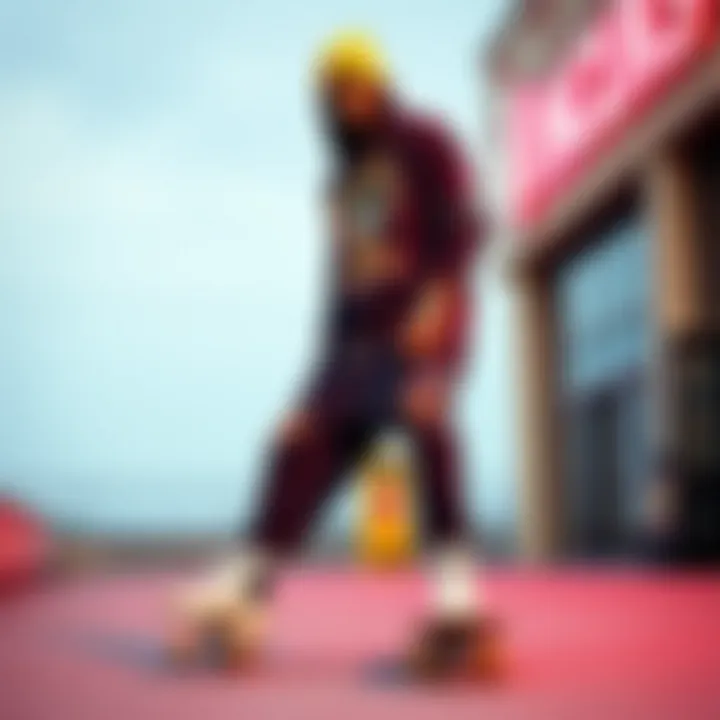
The visual aspect of skateboarding events is undeniably intertwined with fashion. Often, you’ll notice how skaters adorn themselves in oversized tees, baggy denim, and bold sneakers that echo the aesthetics of rap attire. The presence of brands like Supreme, Off-White, and others heavily influenced by hip-hop has dramatically reshaped the outfits seen at events.
During competitions such as the X Games or local skate contests, style becomes an extension of the individual’s identity. Competitors are not just skateboarding; they're presenting their interpretation of culture to an audience. For instance, a skater sporting a bright, graphic tee paired with custom-designed skate shoes may not just aim for medals, but also to express a narrative spanning from their favorite rap artists to their hometown roots.
- Iconic moments often arise from these interactions, where the right combination of tricks and style can inspire up-and-coming skaters and fashion enthusiasts alike.
- Collaborations between skate brands and rappers or hip-hop artists can culminate in exclusive collections unveiled during these events, effectively generating buzz and setting trends instantly.
"Fashion is an extension of who we are, and in skate parks, it tells a story beyond just the tricks."
Fashion and Competitions
Competitions serve as a backdrop where the stakes are high, and so is the fashion. Consider the Vans Warped Tour, a celebrated event that showcases not only music but also skate culture, blending it seamlessly with styles influenced by rap. At these competitions, the styles displayed often dictate trends in skate fashion.
As skateboarders spin, flip and grind, they do so wearing their favorite brands, often leading to moments of trendsetting. The influence radiates outward, affecting what spectators wear, share on social media, and ultimately purchase.
- Winning outfits have been known to inspire immediate sales spikes in certain apparel, proving how closely fashion and competition are interlinked.
- Media attention at these events enhances visibility for both the athletes and their fashion choices, showcasing a symbiosis between performance and appearance that attracts brands and marketers.
In essence, skateboarding events transcend mere athletic contests. They become fertile grounds for cultural expression, showcasing how deeply rap clothing influences skate culture and vice versa. Through style showcases and competitions, the evolution of fashion within the skateboarding community not only reflects current trends but also sets the stage for future innovations in both fashion and athleticism.
Future Trends in Rap and Skate Fashion
Understanding the future trends in rap and skate fashion isn't just about keeping up with what’s hot; it's about noticing how closely these two worlds are interwoven. As these cultures evolve simultaneously, the interplay between them becomes more pronounced. The blend reflects not just styles but deeper social and cultural dialogues, making this discourse vital for enthusiasts, designers, retailers, and content creators alike. The shifts that occur within rap attire often have a ripple effect in the skate scene, and vice versa.
Sustainable Fashion Choices
Sustainability in fashion has emerged from the shadows to become a leading force in the industry. From eco-friendly materials to ethical production processes, both rap and skate cultures are starting to prioritize sustainability. This shift is crucial as consumers become increasingly aware of their impact on the environment. Brands like Patagonia and Outdoor Voices have made strides in sustainable practices, showing that it's possible to align stylishness with environmental responsibility.
In the rap community, artists and influencers are beginning to showcase lines that focus on sustainability. For instance, Jaden Smith's brand, MSFTSrep, emphasizes not just trendy aesthetics, but also the importance of using recycled materials. This conscious choice sends a message about the interconnectedness of our clothing choices and their environmental implications.
- Benefits of Sustainable Choices:
- Positively impact the planet.
- Foster a sense of community based on shared values.
- Appeal to conscious consumers who prioritize ethics alongside style.
Indeed, skateboarders often gravitate towards brands that reflect their values, whether that's through transparency in manufacturing or initiatives that give back to their communities. The energy around sustainability isn't just a trend; it's an ideological shift with lasting impact.
Technological Innovations
Technological innovations are reshaping the way rap and skate fashion is created and consumed. From advanced fabric technologies that enhance performance to the incorporation of augmented reality in shopping experiences, the possibilities are expansive.
For example, companies are experimenting with materials that allow for increased breathability and movement, crucial for those who skate, yet appealing to fashion-forward individuals in the rap scene. Brands like Nike have developed shoes with improved cushioning and grip, designed specifically for skaters, while also appealing to sneakerheads in hip-hop culture.
"What’s unique is how this technology often defines the trends rather than just follows them."
Furthermore, the rise of online retail and social media has transformed how styles are disseminated. The accessibility of platforms like Instagram and Pinterest enables rapid trend cycles, with styles bleeding between communities in real-time.
- Technological Innovations to Watch:
- Wearable technology embedded in clothing.
- E-commerce platforms that utilize AI for personalized fashion recommendations.
- Innovations in 3D printing that enable customizable gear.
These technological advancements ensure that both scenes are not just catching trends, but leading the charge into a future where fashion is smarter and more connected than ever.
Ultimately, the future of rap and skate fashion lies in a dynamic interplay of sustainability and technology, continuously redefining boundaries and creating fresh opportunities for expression.
End: Understanding the Symbiosis
The connection between rap clothing and skate culture serves as a mirror reflecting the values and identities of both communities. At its heart, this symbiosis goes beyond mere fashion; it embodies a cultural conversation that resonates across generations. Rap culture, with its origins rooted in the expression of disenfranchised communities, has long embraced vivid styles and bold statements. Similarly, skate culture provides a platform for individuality, often leaning towards styles that are comfortable yet edgy. Both worlds thrive on the idea of self-expression and a desire to push boundaries. This intersection creates a vibrant tapestry where ideas about style, identity, and community converge.
One notable element in understanding this relationship is how these styles often serve as a language unto themselves. They communicate not just personal aesthetics but larger socio-political messages.
"Fashion isn’t just about looking good; it’s about telling your story without saying a word."
Rap clothing has influenced what skateboarders wear while simultaneously allowing them to reinterpret these styles according to their own subculture's essence. This back-and-forth illuminates the authenticity that both cultures value, creating a sense of belonging that transcends geographic and social divides. As communities evolve, so too do their fashion choices, leading to an ongoing dialogue that continues to shape both rap and skate culture.
Fashion as Cultural Dialogue
Fashion becomes a vessel for communication, conveying messages that often tell the stories of struggles, aspirations, and celebration. In rap culture, brands like Supreme and Off-White embody attitudes of rebellion while simultaneously aligning with skate ethos. This dialogue illustrates how styles can shift in meaning depending on the context and who is wearing them. Skaters adopting rap-inspired clothing may do so not just for aesthetics but to make statements about their identity or affiliations. Each piece of clothing holds significance and allows individuals to connect with others who share similar experiences or values.
The impact of this cultural dialogue extends beyond the individual. It influences commercial strategies for retailers and brand marketing. Retailers need to navigate these trends carefully, as authenticity resonates more with consumers than superficial endorsements. Brands that genuinely embrace both rap and skate culture effectively resonate with a diverse audience, proving that understanding and engaging with cultural dynamics can drive success.
The Ongoing Evolution of Styles
Styles within both rap and skate culture are not static; they’re in constant flux. This evolution shapes the very fabric of both cultures, making it crucial to stay attuned to their latest trends. For instance, vintage styles resurrected from the 80s and 90s are making a comeback, as today’s youth embrace nostalgia while infusing it with modern interpretations. Collaborations between rap artists and prominent skate brands highlight this trend, breathing new life into established aesthetics.
Moreover, technology plays its part in this evolution. Social media platforms amplify the reach of fashion influences. Skateboarders and rappers alike curate their visuals, shaping perceptions and styles around the world with a simple post. As these platforms evolve, so does the vocabulary of style—terms like ‘athleisure’ and ‘streetwear’ become part of everyday language, reflecting changing tastes.
Overall, the styles continue to intertwine, pushing each community to adapt, absorb, and transform in ways yet unimagined. As each wave of new artists and skaters emerge, the symbiotic relationship between rap clothing and skate culture will persist, fluid and constantly redefining what it means to express identity through fashion.