The Aesthetic Appeal and Functionality of Pink Skateboards
Intro
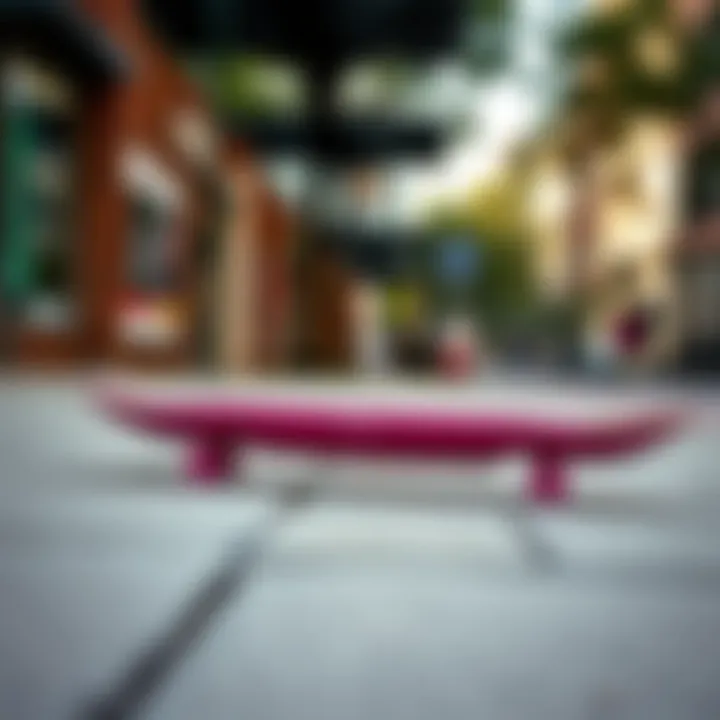
Skateboards come in all shapes, sizes, and colors, but the pink skateboard stands out among the crowd. It’s not just a mode of transport; it’s a statement piece that speaks volumes. For many, choosing a pink skateboard is about more than just aesthetics—it’s also about embracing a culture that values individuality and creativity.
The vibrant color has a unique appeal, often evoking feelings of fun and playfulness. But what does it mean in the context of skateboarding? How does it influence the experience of riders? This article takes a closer look at the multifaceted world of pink skateboards, exploring their aesthetics, cultural significance, and functional aspects. Whether you’re a seasoned skater or a newcomer, understanding the pink skateboard can transform your skating experience in surprisingly deep ways.
Skateboarding Techniques
Beginner Tricks and Tips
When stepping onto a pink skateboard for the first time, getting comfortable is key. Beginners often experience a mix of excitement and nerves, so here are some foundational tips to ease into the ride:
- Posture Matters: Stand shoulder-width apart to maintain balance.
- Foot Placement: Ideally, place your back foot on the tail and your front foot near the center of the board.
- Pushing Off: Start with your back foot to push off, while your front foot should remain steady to guide.
- Learn to Stop: Practice dragging your back foot or using the tail to brake gently.
- Balance Exercises: Try practicing on a grassy spot to build confidence without the fear of falling.
As you become comfortable with these basics, trying some simple tricks can be both thrilling and rewarding. Simple ollies or riding down small ramps offer a good sense of accomplishment without overwhelming the senses.
Advanced Maneuvers and Strategies
For those ready to take their skills to the next level, pink skateboards can handle more complex tricks. Mastering advanced techniques opens up a whole new world of skateboarding:
- Kickflip: Start with your feet as before, but pop the tail while dragging your front foot slightly to the side to rotate the board.
- Grinds: Find a rail or ledge; balance your weight over your skateboard to slide along it, landing cleanly.
- Varial Flip: Combine a kickflip and shove-it—this trick demands precision and control.
- Nollie: While your board is in motion, pop the nose while pressing down on the tail to elevate and flip the board.
These tricks require practice and patience, but they can lead to thrilling rides and enhanced street cred among fellow skaters. Remember, it’s essential to wear protective gear, especially when attempting jumps and flips.
Skateboarding Culture
Fashion Trends in Skateboarding
Pink skateboards not only add flair in functionality but also reflect the fashion trends in skateboarding. The trend leans more towards eclectic and bold choices—here’s what’s hot right now:
- Graphic Decks: Many pink boards feature unique designs that showcase personal style. Think bold graphics, artistic illustrations, or even custom artwork.
- Streetwear Influence: Hoodies, loose jeans, and sneakers make up the wardrobe staples of skaters. Pairing a pink board with a stylish outfit can amplify its visual impact.
- Collaboration Collections: Various brands often collaborate with artists to create limited-edition decks. Keep an eye out for unique styles that feature pink in their designs.
Events and Community Spotlights
Skateboarding is about community and connection. Pink skateboards often feature prominently at numerous events where enthusiasts gather:
- Skate Contests: Local and global competitions frequently feature diverse styles, including those who ride pink boards. These events celebrate skills and creativity within the sport.
- Meet-ups and Sessions: Skaters often gather in public parks, exchanging tips and showcasing tricks. Often, fellow skaters cheer each other while on their pink boards, fostering a sense of camaraderie.
- Social Media Engagement: Online platforms like Instagram or Facebook feature groups dedicated to various aspects of skateboarding. Sharing experiences and showcasing unique pink board designs can create a sense of belonging in digital spaces.
"The color of a skateboard can change how others perceive the rider—it expresses personality and passion in a unique way."
In culmination, the pink skateboard is more than an aesthetic choice; it is a vibrant expression intertwined with the cultural fabric of skateboarding. From learning tricks to engaging in community events, each pink board has a story to tell but resonates with a collective spirit of fun and expansion in a world that supports creativity.
Historical Context of Skateboarding
Understanding the historical context of skateboarding is crucial to appreciating the pink skateboard today. This historical lens not only tracks the evolution of the material culture surrounding the sport but also the shifting social attitudes towards it. As we venture through this narrative, we'll uncover how skateboards transitioned from simple wooden planks to the trendy, eye-catching designs we see, especially those vibrant pink boards that have become a staple in many skate scenes.
Evolution of Skateboards
The evolution of skateboards is a fascinating tale that intertwines innovation and rebellion. Originally, these boards sprouted in the late 1940s and early 1950s in California. Back then, they were rudimentary constructs, often made from wooden boxes with roller skate wheels attached. People viewed skateboarding not as a sport, but as a fun pastime for surfers to mimic ocean waves on concrete.
In the 1970s, skateboards underwent significant changes. Manufacturers started to experiment with different shapes, materials, and technologies. The introduction of the plastic skateboard by brands like Variflex brought in a wave of new colors, including pink. This period represented not only a change in design but also a shift in perception, as skateboarding began to be recognized as a legitimate sport.
Fast forward to the 1990s and early 2000s, skateboarding had blossomed into a cultural phenomenon. Movies, music, and fashion embraced the sport, leading to a soaring popularity of skateboarding across all demographics. Pink skateboards gained traction, especially among female skaters, as manufacturers began to realize the importance of appealing to a broader market.
As we dive deeper into today’s skate culture, the pink skateboard stands as both a tool and a symbol. Not only does its design reflect personal identity and aesthetic choices, but it also signifies broader cultural shifts surrounding sports, gender representation, and creativity.
Cultural Shifts in Design
Over the years, skateboarding design not only mirrored technological advancements but also the cultural ideals of the times. The early days were focused on utility rather than aesthetics, with functionality reigning supreme. However, as the sport grew and diversified, so too did the designs of skateboards.
In the 1980s, during the surge of street skating, graphics became a focal point. Brands like Powell Peralta popularized decks with bold, artistic images. Pink began to emerge as a fun alternative for designs, appealing to a younger audience eager for self-expression.
By the 2000s, cultural influences began to shape skateboard designs in unique ways. The rise of social media saw the proliferation of influencers who embraced different styles. Pink skateboards were no longer just bright – they were a statement, often seen as a brave choice in a sport still largely perceived as masculine.
Today, skateboarding design embraces individuality, and the pink skateboard has found its place as a symbol of diversity in an evolving landscape. It represents a departure from tradition; a way of saying that skateboarding is not just for one type of person, but for everyone. The pink skateboard signals a new era where color choices carry meaning and invite discussion about representation in the sport.
Understanding the Color Psychology
The concept of color psychology is crucial in understanding how colors can impact perceptions and behaviors. When we delve into the world of skateboards, particularly pink skateboards, the psychological implications of color choices become ever more significant. Color is not just mere aesthetics; it shapes experiences and resonates on an emotional level, especially within the vibrant skateboarding community. Moreover, it affects purchasing decisions, personal identity, and the overall vibe of the board.
By exploring the importance of understanding the color psychology in the context of skateboarding, we can see how influences run deep. Pink skateboards embody a certain playfulness and boldness, speaking to the individuality of the skater. They also break traditional norms within a predominantly male-dominated sport, offering layers of meaning that go beyond functionality. The intersection of emotion, identity, and choice plays a role in establishing a connection between the skateboarder and their board.
Symbolism of Pink in Culture
In various cultures, pink has often been associated with femininity, softness, and love. However, its meaning is broader and more intricate than just surface-level associations. In the skateboarding world, pink is a color that actively challenges stereotypes. It represents empowerment, freedom, and a move away from conventional masculine ideals.
For instance, when scouring the skate parks, seeing a skater riding a pink board might cue immediate recognition or conversation. It can often be perceived as an act of defiance, as it's a choice that speaks volumes about the individual’s willingness to break conventions. This is particularly evident in the rise of female skaters who adopt pink boards, transforming the color into a symbol of strength and independence.
Furthermore, various marketing campaigns have tapped into this symbolism, aligning pink with bold, actionable messages targeting inclusivity and acceptance within the skate culture. By doing so, they help cultivate an environment where diversity is celebrated, thereby enriching the community as a whole.
Emotional Responses to Color
Colors can stir up feelings and memories, shaping how we experience the world around us. The emotional responses elicited by pink can vary greatly depending on personal experiences and cultural context. Generally, pink tends to evoke warm, friendly emotions, like comfort and calmness. It can embody hope and positivity, making it an appealing choice for any skateboarder looking to express their uniqueness.
Skaters often form a connection with their boards, and choosing a pink skateboard can heighten this emotional bond. It might remind them of a loved one, or it may simply be that they adore the color. In essence, the emotional responses to pink can hone in on an individual’s personality, allowing them to express who they are through their board.
Like fashion and pop culture, skating reflects these emotional nuances. As riders cruise down the street, the color of their skateboard can contribute positively to their mood and overall confidence. It’s easy to see how a bright pink board can lift the spirits of the rider and even, perhaps, inspire onlookers.
In focusing on color psychology, particularly the color pink, we reveal a fascinating narrative intertwined with personal experiences, societal norms, and emotional well-being. By delving deep into its symbolism and emotional impact, we can grasp just how significant color choices are within the skateboarding world, especially when it comes to choosing a pink skateboard. Whether it's for style, expression, or the substantive experience of skating, the implications of color are profound.
Design Elements of Pink Skateboards
The design elements of pink skateboards play a crucial role in propelling not only their aesthetic appeal, but also their functionality within various riding environments. This section explores materials, graphics, and customization options that make these boards stand out in a sea of traditional colors. Beyond mere visual charm, these aspects affect skaters' experiences and choices, adding depth to the overall perception of skateboarding culture.
Materials Used in Construction
When it comes to construction, the choice of materials is fundamental to a skateboard’s performance and durability. Pink skateboards typically feature materials such as maple wood, which is renowned for its strength and flexibility. The plywood construction allows for greater shock absorption, making it suitable for the dynamic movements required in skateboarding. Additionally, modern iterations may incorporate materials like fiberglass or carbon fiber for added durability and a lighter carry, ideal for tricks and stunts.
Moreover, the finish of the skateboard is equally important. Durable paint or graphics that maintain their vibrancy over time ensure that the pleasing aesthetic doesn’t fade away quickly. For instance, polyurethane coatings not only enhance the board’s look but also provide a layer of protection from scratches and dings. In the context of a pink skateboard, this means that the lively color can withstand the rigors of grinding against rails or enduring weather changes while retaining its visual appeal.
Graphics and Aesthetics
The graphics on a pink skateboard can tell a story. From whimsical designs depicting abstract patterns to striking images inspired by cultural motifs, these visual elements allow skaters to express their personalities. A well-thought-out graphic not only enhances aesthetic value but also can relate to broader themes within the skate culture, such as environmental concerns or feminist movements.
For instance, collaboration with local artists can result in unique designs that resonate with community narratives. This connection builds a bond between the skater and their board, transforming it into more than just a riding tool, evolving it into a statement piece. The effect of graphics combined with the color pink can challenge stereotypes traditionally associated with skateboarding, forging a new avenue in both design and social dynamics.
"A skateboard is not just about getting from point A to point B; it’s a canvas where identity meets motion, especially when we talk about striking colors like pink."
Customization Options
The rise of individualism in the skateboarding community has paved the way for extensive customization options when it comes to pink skateboards. Skaters are no longer satisfied with off-the-rack designs; they seek configurations that reflect their personal style and functional needs. Many brands offer a variety of options that allow users to choose deck shapes, wheel colors, and even grip tape designs, meaning every skateboard can be a unique expression of the rider.
Customization can extend beyond aesthetics. For instance, opting for different sized wheels allows skaters to choose between stability and agility, depending on their preferred riding style or terrain. Light pink wheels can make a bold statement against a deeper pink board, while also providing different functionalities based on hardness and size.
Some even go as far as to integrate tech elements, such as embedded sensors that track performance, or customizable LED lights that make nighttime rides an illuminating experience. This fusion of functionality and design ensures that pink skateboards are not merely attractive but also used for maximizing performance, adapting to the skater's personal preference.
In summary, the design elements of pink skateboards encapsulate a blend of material innovation, artistic expression, and personalization that speaks volumes about their role in both function and fashion in skateboarding culture.
Skateboard Types and Their Functions
The type of skateboard one chooses plays a vital role in both performance and enjoyment on various terrains. Understanding the nuances between different skateboard types helps enthusiasts select the right board for their unique skating styles and preferences. This knowledge contributes not only to a better ride but also to a deeper connection with the skate culture as a whole. Skateboards differ vastly in their design, intended use, and functionality, influencing everything from tricks executed to the feeling of cruising. By examining the major categories of skateboards, especially the contrast between cruisers and street boards, we can appreciate how each serves distinct needs.
Cruisers vs. Street Boards
When we dive into the debate of cruisers versus street boards, it's like comparing apples to oranges. On one hand, cruisers are all about comfort and smooth sailing. These boards typically have wider wheels, which help absorb bumps and irregularities in the pavement. They're geared toward a laid-back experience, perfect for getting around town.
Here are some key features of cruisers:
- Wider Wheels: These provide a smoother ride over uneven surfaces.
- Shorter Decks: While they can vary, most cruisers are shorter, promoting easy maneuverability.
- Flexible Construction: Often made from softer materials, allowing for a relaxed vibe and flexibility underfoot.
For the more aggressive rider, street boards offer a stark contrast. Designed with a focus on tricks and technical maneuvers, street boards tend to be more narrow and rigid, catering to park and street-specific skating. The shape allows for precise control during flip tricks and grinds.
Consider these elements of street boards:
- Narrower Decks: Easier for performing tricks, giving skaters the ability to flip and spin with precision.
- Harder Wheels: These offer less grip, which is useful for making sharp turns and slides.
- Greater Sturdiness: Built to withstand the pressure of jumps, grinds and other tricks.
"Choosing between a cruiser and a street board can change your entire skating experience, affecting both your comfort and the style of tricks you can perform."
Comparison of Shapes and Sizes
Beyond just the intended use, the shapes and sizes of skateboards also play a crucial role when considering functionality. Each shape caters to different styles, and finding the right fit can enhance both capability and enjoyment.
- Popsicle Shapes: Most commonly seen in street skateboards, they allow for a wide range of tricks due to even width across the deck and pointed edges.
- Longboards: These are typically longer and designed for stability at high speeds. They are ideal for downhill rides and carving. While they may not be suited for tricks, they excel in transportation and smoother rides.
- Mini Skateboards: Meant for younger riders or those wanting a more portable option. These are shorter, making them lighter and easier to manage on tricky surfaces.
The dimensions of the board—length, width, and height—are integral to how it feels and responds. A wider board provides more stability for beginners, while a narrower model might be favored by more experienced riders looking for that agile, responsive feel. Whether you go for a longboard, short cruiser, or a standard street deck affects your overall experience and the capabilities of the skateboard itself.
In summary, skateboards come in various shapes and sizes, each intricately designed for particular functions. Grasping these distinctions not only refines one's choice but enhances enjoyment, ensuring that each ride is as thrilling as it can be.
Impact of Skateboard Color on Performance
When discussing skateboards, it’s easy to get lost in the flashy graphics and appealing designs that catch the eye of every skater on the block. However, the impact of color—especially a vibrant hue like pink—extends far beyond mere aesthetics. In fact, the color of a skateboard can subtly influence its functionality and performance, creating nuances that might not be immediately visible but are undeniably important for both casual enthusiasts and serious riders.
One of the main aspects to consider is how color might correlate with various mechanical properties of the skateboard. Different pigments and finishes can vary in how they respond to environmental stressors, wear, and even heat. All these factors become crucial when selecting a skateboard intended for specific conditions or advanced tricks.


Additionally, color can also play an unspoken psychological role in the rider’s performance. A skateboarder holding a pink board may feel a certain wave of confidence or pride, stemming from its uniqueness—a bold choice that stands apart from the traditional hues. Therefore, understanding the effects of skateboard color on performance may direct buyers to consider deeper implications rather than sticking to the standard black or blue options.
Does Color Affect Durability?
Does color impact the durability of a skateboard? Perhaps not in the way one first assumes. At first glance, durability might seem solely dependent on the materials used to craft a board; however, the color might indirectly influence its lifespan.
For instance, darker colors—or those with multiple layers of paint—might experience more fading when exposed to sunlight. A pink skateboard, with its cheerful pigment, could, under the right conditions, maintain its integrity longer due to lighter coloring, which typically absorbs less heat. However, it's also crucial to note that the quality of the paint and its resistance to chipping will greatly impact how long the board looks fresh and new. Thus, it’s wise to look for boards coated with high-quality finishes that protect the underlying materials, regardless of the color.
Heat Absorption and Riding Conditions
Heat absorption is yet another element that can influence a skateboard’s performance based on its color. Interesting as it is, different colors absorb light and heat in varying quantities. A pink skateboard, with its lighter tone, can reflect more sunlight compared to its darker counterparts. This reflection might just mean a cooler surface during hot summer days, affecting the comfort of the rider’s footing.
Moreover, riding conditions such as weather can also play into this. For example, during a hot day, one might notice that their black skateboard gets uncomfortably hot, while a pink board keeps its temperature more manageable. Thus, those who often skate outdoors in warm climates might find that the color choice significantly contributes to their performance by keeping their gear just a bit cooler on scorching asphalt.
In summary, skateboard color is not just a fashion statement but holds weight in performance characteristics. It's essential for buyers to understand these aspects if they wish to make a purchase that not only looks good but also enhances their riding experience.
"Color isn’t just a visual experience; it’s an intrinsic part of how we interact with our tools and environment."
For more in-depth discussions on skateboard care, durability, and insights from expert riders, you might find forums like Reddit or articles from Britannica to be beneficial.
The Feminine Influence in Skateboarding
The role of women in skateboarding is often understated despite their vital contributions to the culture and the sport itself. Understanding the feminine influence in skateboarding not only sheds light on the evolving dynamics within the community but also highlights a spectrum of styles, preferences, and perspectives that have enriched skate culture. With pink skateboards, in particular, we see a vivid intersection of aesthetics and functionality that resonates profoundly with female skaters and the skateboarding world at large.
Representation of Women in Skate Culture
Representation is key in any culture, and skateboarding is no different. For years, skate culture has been largely male-dominated, but this landscape is steadily changing. Women are not just participating in skateboarding; they're driving trends, creating new movements, and influencing how skateboards, especially those in shades of pink, are perceived.
These women don't just skate; they bring their unique flair into the mix. Events like the X Games and street competitions now regularly feature female athletes who redefine what it means to skate. Just consider Lizzie Armanto and Aori Nishimura, who make waves in competitions and on social media. They skate with an attitude that challenges stereotypes and broadens the appeal of skateboarding to a more diverse audience.
The increasing visibility of women in skate culture allows pink skateboards to be viewed not just as a color choice but as an assertive fashion statement. As brands recognize this shift, we start to see more products tailored to female skaters, merging aesthetics with performance, pushing the limits of what skateboards can symbolize.
Gendered Marketing of Skateboards
Marketing strategies often reflect societal norms and biases, and in skateboarding, gendered marketing is particularly noticeable. Traditionally, the imagery associated with skateboards leaned heavily on male aggression and thrill-seeking. However, as skateboarding embraces a more inclusive ethos, brands are reassessing their approaches. Pink skateboards serve as a prime example of how product marketing can be reshaped to appeal to diverse audiences.
- Trendy Marketing Campaigns: Recent campaigns deliberately feature female skaters, showcasing their skills and celebrating their passion. This marks a shift from merely targeting boys or young men to embracing an entire community.
- Floral and Pastel Designs: Some brands are tapping into softer designs, including floral graphics, shimmering finishes, and yes, even a rainbow of pink hues. These designs are not just feminine but convey a sense of individuality and style, appealing to skaters who want to express themselves.
Gender-neutral marketing tactics are increasingly becoming the norm, promoting skateboards that are functional and visually appealing to anyone, regardless of gender. Such moves not only broaden the market but also enrich the skateboarding culture itself, emphasizing that riding a skateboard is about passion and community, not just gender.
"Skateboarding is in the midst of a transformation, moving beyond segregated boundaries to become a truly inclusive sport."
Community Perspectives on Color Choices
The conversation around skateboards, especially regarding the pink skateboard, often dives into the heart of community identity and personal expression. When colors become the centerpiece, like pink in this context, they do more than just look good. They influence how skateboarders and the public at large perceive and engage with the culture. To truly appreciate the vibrancy of pink skateboards, it’s essential to explore how community voices shape and are shaped by color choices in this sport.
Influencers in the Skate Scene
Influencers play a pivotal role in shaping trends in skateboarding, especially when it comes to color preferences. Many budding skaters look up to prominent figures in the space, whose aesthetic choices often trickle down into broader skate culture. Platforms like Instagram and TikTok have become hotbeds for showcasing skateboarding clips, and many influencers don't hesitate to flaunt their pink skateboards.
These personalities curate their online presence, using colors that resonate with their persona; pink often conveys a fun, rebellious spirit contrary to traditional expectations in the skate scene. Skaters like Lizzie Armanto, who have embraced colorful boards, pave the way for a more inclusive perception of what skateboarding can look like. Community hashtags like #PinkSkateboard and #SkateWithStyle serve as touchpoints for fans and newcomers who seek inspiration from style icons.
As more influencers choose to incorporate pink into their gear, it helps normalize the color, making it an option many feel comfortable seeing themselves on, thus promoting varied personal expression.
Local Skater Opinions
The unique perspectives of local skaters significantly enrich the conversation about colors and their meanings on skateboards. When specifically focusing on pink, it often sparks lively debates among skaters at local parks about what the color signifies. Some skaters see pink as a way to break stereotypes, allowing them to challenge gender norms typically associated with skateboarding gear. Others appreciate the aesthetic appeal, stating that vibrant colors, including pink, stand out visually, enhancing their skating style and presence at the park.
Their opinions can often be encapsulated in casual conversations or online discussions, revealing a spectrum of thoughts:
- Empowerment: Many skaters feel a sense of power in choosing non-traditional colors for their boards, asserting their individuality.
- Community Identity: The choice of skateboards can reflect regional styles and community vibes. In some areas, owning a pink board offers a connection to a broader, more vibrant narrative.
- Gender Expression: The conversation often incorporates thoughts on gender and how certain colors can challenge or reinforce identities.
In essence, local skaters view color as a personal statement, one that is rooted in their skating journey, often colored by their unique community experiences. They echo the notion that skateboarding transcends mere sport, morphing into a canvas for self-expression.
"The skateboard, she’s a part of you; the color you choose tells your story before you even take off."
Marketing Trends in Skateboarding
In today's ever-evolving skateboarding industry, marketing is as pivotal as the wheels on a board. For brands, understanding marketing trends isn’t just about selling a product; it’s about connecting with the heartbeat of the skate community. This relationship shapes not only the image of skateboarding but also its progression as an art form and lifestyle. A pink skateboard isn’t merely about the color; it signals one's preference, self-expression, and the cultural shifts that have influenced the skating scene.
A well-thought-out marketing strategy embraces both traditional and modern approaches, ensuring outreach to diverse audiences. Here’s a closer look at some important elements to consider in this realm:
- Target Audience Engagement: Identifying who skates and what they care about is crucial. Skate brands that tailor their messages to resonate with different demographics—whether seasoned skaters or new enthusiasts—can build lasting relationships. In today's dynamic market, knowing what drives your audience enables brands to create tailored content and offerings that truly matter.
- Diversity of Messaging: A pink skateboard appeals to a wide range of riders, and brands that embrace diversity in their campaigns can attract attention. From promoting female skaters to showcasing cultural inclusivity, the messaging should reflect the changing demographic that enjoys skateboarding.
- Skillful Storytelling: Marketing isn't merely about showcasing the product; it's about weaving stories that evoke emotions. Brands should focus on creating narratives around the lifestyle of skateboarding, making potential buyers feel they’re a part of something bigger.
The Role of Social Media
Social media has transformed how skateboards are marketed. Platforms like Instagram and TikTok allow brands to visually showcase products while connecting with skaters in real-time. For instance, sharing videos of skilled riders showcasing pink skateboards can generate buzz and inspire new buyers. This platform enables brands to create interactive content, fostering a sense of community where users can share experiences and tips.


Importantly, user-generated content has gained traction. Brands that feature customers and their custom pink designs not only affirm those riders' choices but also encourage loyalty and further sharing. It’s about creating a reciprocal relationship between brands and the skate community. As they say, a picture’s worth a thousand words—presence on social media allows potential customers to see the skateboard in action, promoting authentic connection and enthusiasm.
Collaboration with Fashion Brands
The collaboration between skateboard brands and fashion houses has surged in recent years, recognizing the intersection of skating culture and global fashion trends. Skateboards, including pink ones, are not just seen as sporting equipment but also as fashion statements. Collaborating with designers can drastically elevate a brand’s status. Whether producing limited-edition boards or apparel, these partnerships introduce skateboarding aesthetics to a whole new audience.
Such collaborations should highlight the unique essence of skateboarding while appealing to fashion enthusiasts drawn to the color pink. When fashion brands leverage skate culture, they often attract buyers who value both style and functionality in their purchases. Think about the pop-up shops or exclusive launches that stir excitement in the community—these strategies keep brands fresh, relevant, and connected to their fanbase.
Overall, understanding marketing trends and leveraging them effectively can propel skate brands forward, making an indelible mark on skate culture while broadening their appeal. For further insights, refer to resources like Wikipedia or Britannica. By grasping these trends, retailers, content creators, and skateboarders can ensure they stay ahead of the game.
Practical Considerations for Buyers
When it comes to selecting a pink skateboard, buyers face an array of factors that can shape their choice. It’s not just about color; it’s about how that color integrates with functionality and individual style preferences. This section sheds light on the essential elements to consider to ensure a sound investment.
Budgeting for Quality
The first step in any purchase decision is to understand one's budget. Skateboards vary in price quite a bit, depending on their construction, brand reputation, and aesthetic appeal. Sometimes, a higher price tag reflects better material and design. For instance, a pink skateboard crafted with high-grade maple wood and featuring quality hardware can greatly enhance durability and performance.
In making your budget, consider the following:
- Purpose of Use: Are you a beginner who plans to cruise around, or are you an experienced skater looking to perform tricks? Your intended use will greatly affect how much you should invest.
- Materials: Boards made from lighter materials like carbon fiber may be pricier but can offer better response and ease of handling.
- Brand Influence: Certain brands might charge a premium simply for their name, but that doesn’t necessarily mean you’re getting superior quality. Balance your budget against brand reputation carefully.
Setting a realistic budget not only helps in finding a suitable skateboard but also allows skaters to explore customizations in their pink skateboard's design without breaking the bank.
Warranty and Customer Support
Understanding the warranty and customer support options is crucial for any buyer. A warranty can save you a significant amount of hassle and money if things go awry. Most reputable skateboard manufacturers provide some form of warranty, whether it’s for the board itself or specific components.
Key aspects to look for include:
- Duration of Warranty: A longer warranty often signals that the manufacturer stands behind their product. Some brands offer warranties that last for several years.
- Coverage: Ensure that the warranty covers not just manufacturing defects but also issues that might arise from regular use.
- Customer Support Quality: When things go wrong, respondent customer support can make all the difference. Research customer feedback online, whether on platforms like Reddit or directly on the brand's site, to gauge their reliability.
"A warranty is like a safety net. It’s an assurance that the manufacturer believes in the quality of their product."
Taking into account these practical considerations allows skaters and buyers alike to make informed decisions that align with their skating style and personal preferences, ensuring that the pink skateboard chosen delivers both aesthetic pleasure and functional performance.
Innovations in Skateboard Technology
In a fast-evolving sport like skateboarding, innovations in technology play a pivotal role in enhancing both performance and user experience. The pink skateboard embodies not just a vibrant aesthetic choice but also an amalgamation of cutting-edge advancements that address durability, safety, and usability. In this section, we’ll delve into the specifics of how technology has transformed skateboards, delivering a more fulfilling ride while keeping safety in check.
Use of Advanced Materials
Today’s skateboards are a far cry from the wooden planks that pioneers used back in the day. The emergence of advanced materials has revolutionized the way skateboards are constructed, leading to noticeable improvements in both strength and weight.
- Carbon Fiber: This lightweight and incredibly strong material allows for a skateboard that can endure high stress without adding unnecessary bulk. Skateboarding with a carbon fiber skatebaord feels like gliding on air but with the strength to handle rigorous tricks.
- Hollow Construction: Many newer boards use a hollow-core design that reduces weight while preserving structural integrity. This tech is akin to the engineering feats seen in aerodynamics, making long sessions of street skating less grueling.
- Eco-Friendly Materials: In recent years, there's also been a significant push for sustainability in skateboard production, using bamboo or recycled plastics that align with the growing environmental consciousness among skate enthusiasts. The marriage of performance and ecological responsibility resonates well with a community that values not just style but also substance.
The shift towards these advanced materials shows a clear evolution in the skateboard realm. Riders are no longer just seeking a board that looks good; they demand something that enhances their riding experience without compromising durability. The appeal of a pink skateboard, designed with such materials, becomes inherently stronger, mingling both aesthetic qualities with performance benefits.
Integration of Technology and Skateboarding
Skateboarding is witnessing a fusion of technology that encompasses both physical attributes of the boards and digital avenues. The integration of technology has opened a panorama of possibilities that cater to both novice and seasoned skaters alike.
- Smart Boards: Some manufacturers have begun developing smart skateboards equipped with sensors that track performance metrics such as speed, distance, and tricks completed. This data can be analyzed through a smartphone app, allowing skaters to refine their technique over time. Imagine knowing precisely how fast you went on that pink skateboard that everyone keeps eyeing at the park!
- Safety Features: Technologies like anti-lock braking systems and LED lights on boards cater to the safety-conscious rider. This is crucial in urban environments where accidents can happen in a flash. Some boards feature shock absorption systems, making landings smoother and less jarring to the rider.
- Customization Options: Digital technology also allows skaters to customize their boards more easily than ever. From changing the grip tape design to selecting the color of the wheels, riders can express their personality while riding with an edge.
This integration not only improves safety and performance but also enriches the entire experience of skateboarding—particularly for something as visually striking as a pink skateboard. As technology continues to advance, it’s likely we'll see even more exciting trends emerge, further enhancing the culture surrounding skateboarding.
In summary, the future of skateboarding rests heavily on innovations that focus on improving aesthetics and functionality without sacrificing quality. From advanced materials that enhance durability to tech integration that arms skaters for better performance and safety, the pink skateboard stands as a testament to a thrilling evolution in the sport.
The Future of Skateboard Aesthetics
A discussion about the future of skateboard aesthetics is vital to understanding how the industry and its community will evolve alongside shifting cultural trends. As skateboarding continues to elevate itself from subculture to a mainstay in global sports and lifestyle, the aesthetics surrounding it must also adapt. The rise of more diverse voices in the skate scene, the push for sustainability, and the integration of digital technology contribute significantly to redefining what skateboards look like and how they function.
Key Elements to Consider
- Cultural Influences: As skateboarding grows, so do the influences from various cultures and art movements. The traditional notions of skateboard design are being challenged, with many new designs borrowing from street art, fashion, and even high art.
- Personal Expression: A skateboard is frequently seen as a form of self-expression. The aesthetic choices made today will shape how future generations view skateboarding as a canvas for personal expression.
- Community Engagement: The input of skateboarders, particularly those from underrepresented groups, will play a significant role in foregrounding diverse aesthetics. The demand for inclusivity in design and representation influences market trends and broadens the aesthetic appeal.
The future is not merely a canvas waiting for paint; it’s a dynamic interplay of color, shape, and function. As trends evolve, one thing is clear: pink skateboards and their design are likely to remain at the forefront, merging function and artistry.
Predicted Style Trends
Looking ahead, the skateboard aesthetic landscape seems to be a melting pot of various influences. The future of style trends can be encapsulated in the following points:
- Bold Color Choices: Pink retains its allure as a standout color. Expect to see many iterations of pink, from pastels to neon shades, filling skateparks and city streets as riders aim to express individuality and emotional connection to their boards.
- Minimalist Designs: On the horizon, we might notice a shift towards simpler, minimalist designs. While bright colors will prevail, stripped-back aesthetics showcase a hardware-first approach, emphasizing quality and craftsmanship over excessive embellishments.
- Functional Art: Skateboards increasingly blur the line between practical equipment and art pieces. Boards designed with the dual purpose of performance and visual appeal are anticipated to rise in popularity.
- Interactive Designs: With technology evolving, there will be boards that cater to tech-savvy users. Things like built-in sensors or displays integrated with mobile apps could become a trendy way to engage riders in a whole new way.
Environmental Considerations in Production
Sustainability is no longer just a buzzword; it’s an essential consideration in the manufacturing of skateboards. As skateboarding grows in popularity, so does awareness around its ecological footprint. Future skateboard aesthetics will need to embrace more sustainable practices. Here’s how:
- Materials: Manufacturers are seeking alternatives to harmful materials, leaning towards sustainably-sourced woods or recycled plastics. The rise of bamboo and other eco-friendly materials reflects a shift in consumer preference towards sustainable options.
- Production Methods: Advances in technology may lead to more efficient production methods that reduce waste. Techniques such as 3D printing could allow for customized boards without excessive material usage.
- Local Sourcing: As communities become more engaged with sustainability, local sourcing of materials not only decreases carbon footprints but also promotes local artisanship.
"The choice of materials used in skateboard production can significantly tint the culture surrounding it, echoing contemporary social values and consumer demands."
As we move forward, the emphasis on sustainability molds the future of skateboard aesthetics while demanding innovation in a commodity that thrives on creativity and expression.