
Discovering Urban Wear: Styles and Trends Unpacked
Intro
Urban wear has evolved into a phenomenon that transcends mere clothing; it's a reflection of culture, identity, and individuality. The roots of urban wear tap deeply into the vibrancy of streetwear and the exuberance of skate culture. The essence of urban apparel lies not only in its fashion-forward aesthetics but also in its practicality, weaving the fabric of youth culture into every stitch. As we peel back the layers, it becomes apparent that this genre of fashion embodies a dialogue between style and functionality, growing continuously in response to societal changes and environmental considerations.
The allure of urban wear captivates the attention of skateboarders, retailers, and content creators alike. Streetwear styles have famously skated into the mainstream, collaborating with high fashion while simultaneously retaining their core essence—urban grit and a spirit of rebellion. Today, sustainability has become a defining feature as brands increasingly push towards eco-friendly practices, challenging consumers to consider the impact of their purchases. Here, we’ll embark on a journey to explore the intricate interplay of trends in the urban wear landscape, assessing how they reflect the aspirations and values of a new generation.
From defining skateboarding techniques to uncovering the culture that surrounds it, this article intends to deliver a wealth of knowledge. A closer look will reveal how fashion choices have significant effects on community and identity, particularly in the skate realm where style and substance go hand-in-hand. Our discussion will illuminate the brands and designers leading the charge in urban wear, as well as emerging trends among consumers keen on keeping their wardrobes fresh while being increasingly conscious of their ecological footprint.
Ultimately, the analysis unfolds the narrative of urban wear, carving out a comprehensive understanding of its role in modern society, all while celebrating the vibrancy of youth culture.
"Fashion is about expressing who you are and who you aspire to be. Urban wear stands at the intersection of self-expression and social awareness."
Let’s delve deeper into the techniques and culture surrounding skateboarding as we lay the foundation for understanding urban wear in its most dynamic form.
Prelude to New Urban Wear
Urban wear is more than just clothing; it is a reflection of culture, identity, and the lifestyles of the people who wear it. The importance of exploring new urban wear lies in its constant evolution, driven by influences from street life, music, and various social movements. In this turbulent world setting, urban fashion not only serves to express individuality but also communicates broader social statements. It showcases how trends emerge from grassroots movements, tapping deeply into the sentiments of its wearers.
Defining Urban Wear
At its core, urban wear encapsulates styles that resonate with the spirit of the streets. Think of it as the meeting point of practicality and style, catering to the needs of those who thrive in urban environments. We are talking about loose-fitting jackets, graphic tees, oversized hoodies, and comfy sneakers that stand the test of both fashion and functionality. The beauty of urban wear lies in its inclusivity; it speaks to the global youth in a language that's understood—vibrant, loud, and authentically original.
Urban wear is characterized by its diversity, often incorporating elements from various cultures and demographics. You might see influences from skateboarding apparel alongside elements of hip-hop fashion, with vibrant colors intermingled with muted tones. This dynamic nature is what helps urban wear remain relevant; it adapts and morphs based on the tastes of its audience, making every piece a canvas of expression.
Historical Context and Evolution
To fully appreciate where urban wear stands today, one must travel back in time to its roots. The late 70s and early 80s marked the inception of this fashion genre. It was during this time that hip-hop culture began rising in prominence, alongside burgeoning skate culture. The fusion of these two worlds laid the groundwork for what would be considered urban wear.
As the decades progressed, so did the styles associated with urban culture. Brands like Stüssy and Supreme emerged as frontrunners in the industry, representing the fascination with street credibility and an alternative lifestyle. They went beyond mere clothing; they crafted communities around their brands.
By the late 90s and early 2000s, urban wear had seeped into mainstream fashion. This was the time when artists like Jay-Z and brands like FUBU bridged the gap between high fashion and streetwear. The evolution was not simply cosmetic; it became a socio-political commentary on race, identity, and power. Streetwear began to challenge notions of luxury, redefining what it meant to dress well.
Today, urban wear incorporates sustainable practices and innovative designs, with a growing focus on eco-friendly materials and social responsibility. This ongoing evolution signifies a cumulative discourse on identity, culture, and the responsibility of fashion in shaping societal values.
"The streets are where creativity meets necessity, and urban wear eloquently encapsulates this intersection."
With all these factors in play, delving into the realm of new urban wear unveils a rich tapestry of styles and trends that are both fascinating and layered with meaning. The article will explore how these elements interconnect, imparting deeper insights into the creative forces at play within urban fashion.
Cultural Influences on Urban Wear
Understanding the cultural influences that shape urban wear is crucial in grasping the evolution and appeal of this fashion segment. Urban wear serves as a mirror reflecting the lifestyles, values, and aspirations of various communities. It thrives on narratives and images that carve out a distinct identity, often drawing inspiration from the vibrant tapestry of street culture. This connection to communities is not just superficial; it penetrates the social fabric, making urban wear a pivotal player in contemporary fashion.
Street Culture and Skateboarding
Street culture, particularly the influence of skateboarding, has been a significant pillar in defining urban wear styles. Skateboarding wasn't just a form of recreation; it morphed into a lifestyle that revolves around freedom, rebellion, and creativity. The streets turn into playgrounds, and this environment encourages a unique fashion sense — one shaped by functionality and comfort while making a bold statement.
Skateboarding brings together a diverse group of individuals, each adding layers to this unique style. Baggy pants, oversized hoodies, and graphic tees are typical choices. These items offer not only ease of movement but also provide a canvas for self-expression with striking visuals. Materials like denim and high-performance fabrics are common, designed to withstand not just the rigors of skating, but also the harsh elements of the urban landscape.
"Skate culture isn’t just about the boards; it’s about the identity crafted from the ground up, literally."
Additionally, brands such as Vans and Supreme have become synonymous with skate culture, merging skateboarding with high fashion, thus appealing to a broader audience. Their innovative collaborations and designs resonate well beyond skaters, making their mark in everyday streetwear.
Hip-Hop and Urban Music Influences
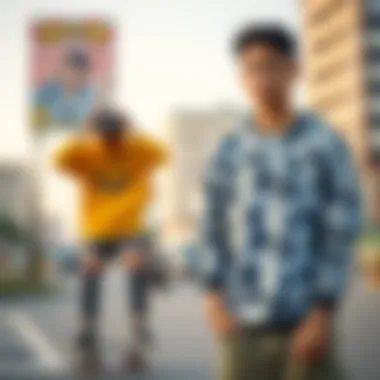

Hip-hop music is another cornerstone influencing urban wear. Since the 1980s, hip-hop artists have not only shaped the sounds we hear but also set trends in fashion that many follow today. The genre’s ethos of authenticity and self-expression translates into clothing choices that emphasize individuality.
Baggy jeans, bomber jackets, and statement sneakers started as essential items in the wardrobes of hip-hop artists, and they've reportedly made their way into mainstream culture. Often, artists collaborate with fashion brands to launch collections that reflect both their music and the lifestyle they promote. Such collaborations lead consumers to buy more than just clothing; they purchase a piece of the artist’s story.
The interplay between hip-hop culture and urban fashion also highlights a significant societal narrative—one of resilience and aspiration. Many items gifted through this musical lens symbolize a break from the past, inspiring younger generations to embrace their authentic selves without fear of judgment.
In essence, street culture and hip-hop have not just contributed to the aesthetics of urban wear but have also installed a sense of community and belonging among those who don this apparel. As trends blend, they create a culture that is rich, layered, and deeply connected to the roots of its origins.
Key Characteristics of New Urban Wear
The concept of new urban wear transcends mere style; it embodies an intricate mix of culture, practicality, and innovation. Urban wear has evolved into a language of self-expression for diverse communities and has crafted its identity through various influences, including street culture and evolving consumer demands. As such, it's essential to delve into the key characteristics that define this fashion segment.
Material and Fabric Choices
When it comes to urban wear, the materials selected play a pivotal role. Modern consumers show a marked preference for fabrics that not only look good but also feel good. Essentially, this means prioritizing comfort without sacrificing style. Thus, everyday wear is often crafted from breathable cotton blends, performance-enhancing polyester, and even technologically advanced materials designed for various weather conditions.
Durability is another cornerstone. Many brands focus on constructing pieces that withstand the wear and tear of urban life. Think about the bustling city streets, where wearers navigate everything from skate parks to grocery runs. For instance, nylon ripstop fabrics are gaining traction for their resistance to abrasions and tears, making them a favorite for jackets and pants. Moreover, the introduction of water-resistant coatings onto textiles ensures that style does not come at the expense of functionality.
It's also notable that sustainability is making waves in material choices. There’s a grassroots movement advocating for recycled and upcycled fabrics, reducing the environmental footprint associated with fashion. As environmental awareness grows, many consumers now seek brands that prioritize eco-friendly production practices, conscious of the environmental impact of fast fashion. Urban wear is thus steering toward a future where aesthetic and consciousness coexist harmoniously.
Design Aesthetics and Functional Elements
In the realm of new urban wear, the design aesthetics go hand in hand with functionality. The lines are often blurred between what's casual and what's sporty. Many garments deliberately integrate practical elements, reflecting the lifestyle of wearers who demand flexibility and comfort.
A hallmark characteristic is the oversized fit, which resonates well with the youth. This casual silhouette allows for ease of movement, a necessity whether one is skateboarding down the street or heading to a casual gathering. But it’s not just about fits; vibrant colors and bold graphics speak volumes in this fashion genre. The graphics often act as a canvas, expressing personal beliefs, cultural identity, or even global issues.
Designs that incorporate pockets—sometimes extra deep or uniquely placed—are a functional staple. They cater to the needs of urban dwellers who carry gadgets and essentials on the go. Furthermore, features such as adjustable cuffs and elastic waistbands offer adaptability, seamlessly blending aesthetics with everyday practicality.
Ultimately, the intersection of design and functionality is what makes new urban wear particularly appealing. It’s a true reflection of today’s urban lifestyle where style must accommodate an active, on-the-go approach to life.
"Urban wear is not just what you wear; it's how you express your identity and navigate your environment."
With a growing acknowledgment of individual expression paired with practical needs, new urban wear continues to adapt and innovate. As it evolves, it remains an effective conduit through which communities convey their values and stories.
The Rise of Sustainability in Urban Fashion
Sustainability is no longer just a buzzword in the fashion world; it has become a crucial element driving the new urban wear movement. As social consciousness grows among consumers, brands are increasingly under pressure to adopt ethical practices. This trend reflects not only a preference for eco-friendly choices but also a shifting cultural paradigm that values transparency and responsibility. In urban fashion, where creativity meets practicality, sustainability’s role is multi-faceted, influencing everything from material selection to production processes.
With the urgent calls for climate action echoing around the globe, the urban wear scene is responding with innovative and conscientious solutions. The shift towards sustainability is prehaps becoming a brand’s new badge of honor, appealing particularly to a younger demographic that values ethics as much as aesthetics. This evolution challenges brands to redefine quality and craftsmanship, urging them to consider the life cycle of products and their broader environmental impact.
Eco-Friendly Fabrics and Production Practices
Urban fashion brands are beginning to turn to plant-based and recycled materials in their collections. Organic cotton, hemp, recycled polyester, and even innovative fabrics made from pineapple leaves are gaining traction among socially conscious creators. These materials not only reduce environmental harm but also present unique textures and styles that appeal to the urban aesthetic.
Some prominent brands, like Patagonia and Everlane, have taken the lead by demonstrating that sustainability doesn’t have to come at the expense of style. Their use of eco-friendly practices is about more than goodwill; it’s a savvy business strategy targeting consumers who prioritize sustainability in their buying decisions. Moreover, the adoption of local production methods reduces carbon footprints associated with long-distance shipping, ensuring that consumers are not just buying a product, but also supporting local economies.
"The most sustainable product is the one you don’t buy." This quote rings particularly true amidst the growing slow fashion movement. In urban wear, where rapid turnover of trends can lead to waste, consumers are starting to recognize the value of investing in well-made, timeless pieces that last longer.
Consumer Awareness and Demand for Sustainability
As the market dynamics shift, there’s a notable awakening among consumers regarding the impact of their purchases. The days of shopping mindlessly are dwindling; more people are now scrutinizing the ethical and environmental practices of their favorite urban apparel brands. With the rise of social media, information spreads like wildfire, and brands can no longer hide behind empty claims. Transparency is key.
Surveys suggest that a significant percentage of urban wear shoppers express a willingness to pay more for sustainably produced items. This trend places the onus on brands to be authentic in their sustainability claims; the demand for ethical sourcing and production practices will only increase.
Key factors influencing this consumer awareness include:

- The proliferation of information about environmental issues
- Increased visibility of sustainable brands on social media platforms
- Higher educational attainment levels, especially among the youth
- Discontent with fast fashion's detrimental impacts on the planet
Market Trends and Insights
In the swirling vortex of urban wear, market trends and insights hold significant weight in understanding how streetwear is both shaped and reshaped by societal currents. A clear grasp of these trends not only informs retailers and designers about shifting consumer preferences but also reflects deeper cultural movements. Recognizing these patterns allows brands to pivot swiftly, ensuring they stay ahead of the ever-evolving landscape. For skateboarders and content creators, staying on top of these trends can mean the difference between being seen as ahead of the curve or having one’s style stagnate.
Demographic Shifts and Buying Patterns
Urban wear has become an intricate tapestry, woven from diverse demographics that influence fashion choices. The younger crowd, especially Millennials and Gen Z, increasingly dominates the urban wear market. Their preferences are not only colored by aesthetics but also guided by a strong desire for authenticity and ethical production.
- Generation Y and Z: These cohorts prioritize brands that resonate with their values. The trend is leaning towards items that deliver both style and a story. From eco-friendly fabrics to unique designs, their purchasing habits reflect a consciousness that goes beyond mere fashion.
- Cultural Fusion: As urban centers become melting pots of various cultures, fashion has followed suit. It’s common to see elements from one culture infused into another’s streetwear. This fusion is not only appealing but also mirrors the real-life interactions among community members.
A study from the Pew Research Center highlights how the urban demographic shifts are notable in the way that community engagement drives fashion decisions. More and more consumers seek local designers whose narratives resonate with their personal stories, encouraging a shift from mainstream branding to local authenticity.
The Impact of Social Media on Urban Wear
The advent of social media transformed the landscape of urban fashion into a dynamic stage where trends evolve at a breakneck pace. Not just a conduit for fashion, platforms like Instagram and TikTok have emerged as powerful trendsetters themselves. Their algorithms reward virality, which in turn shapes public perception and consumption patterns.
Key aspects of social media’s role in urban wear include:
- Influencer Culture: Influencers have become cultural arbiters in their own right. A single post can catapult an obscure brand into the limelight. Skateboarders and fashion enthusiasts emulate the looks they see online, leading to swift changes in buying patterns.
- User-Generated Content: Social media encourages a dialog between brands and consumers. Customers are not just passive recipients but active participants. Many brands encourage consumers to share their styles, creating a participatory culture that celebrates individuality.
- Real-Time Feedback: Brands can now gauge audience reactions in real-time, allowing them to tailor their offerings to meet the public's desires accurately. The digital foot traffic that social platforms generate provides invaluable insights into market viability and trend sustainability.
For further insights and in-depth studies, consider exploring resources such as Pew Research and Fashion Institute of Technology that delve into the future of fashion and consumer behavior.
Brands and Designers in the Urban Wear Space
The landscape of urban wear wouldn't be what it is today without the influence of brands and designers who push the envelope of creativity and style. Their contributions not only shape trends but also reflect the societal values and cultural narratives of the times. With streetwear being closely tied to youth culture, the importance of these players is magnified, presenting a complex interplay between aesthetics and functionality.
Urban fashion serves as both a canvas for self-expression and a response to broader trends in society. Brands and designers embody the aspirations of a generation that values innovation, sustainability, and community ties. Thus, having a keen eye on both emerging and established figures within this realm is paramount to grasp the evolving narrative of urban wear.
Emerging Designers to Watch
Emerging designers are at the forefront of revolutionizing urban fashion through fresh perspectives and innovative techniques. These creators often start from grassroots movements, drawing inspiration from their surroundings and personal experiences. Their uniqueness stems from a willingness to experiment with materials, styles, and ideas that resonate with authenticity.
- Ayo Sade: Known for his vibrant color palettes and intricate patterns that tell stories of West African heritage through urban aesthetics.
- Faye Toogood: Primarily gaining traction for her gender-fluid offerings that challenge traditional silhouettes, pushing boundaries in both menswear and womenswear.
- Tia Leal: Combines nostalgic elements from the 90s with contemporary street looks, making waves in the local skateboarding scene with her DIY approach.
These designers often leverage social media platforms like Instagram and TikTok to showcase their collections, connect with consumers, and foster community engagement. They've turned to sustainable practices, using upcycled materials or eco-friendly fabrics, reflecting a growing consciousness among consumers who prefer responsible styles.
"Emerging designers not only add diversity to the market but also serve as cultural barometers, capturing the zeitgeist of their generation."
Established Brands Innovating Urban Wear
In contrast, established brands have the stability and recognition to innovate further, incorporating new technologies and materials into their lines. They're pivotal in setting trends and often have the resources to experiment on a larger scale. Brands like Supreme and Stüssy have garnered a devoted following, yet they continually evolve to remain relevant in a fast-paced fashion atmosphere.
- Nike: While primarily known for sportswear, they've made significant inroads into urban fashion by collaborating with street artists and innovators to create limited-edition pieces.
- Adidas: Their collaborations with designers like Kanye West have blurred the lines between high fashion and streetwear, making them a staple in urban clothing.
- Off-White: Founded by the late Virgil Abloh, this brand has redefined luxury streetwear, blending art and fashion with a unique signature style that commands attention.
These brands adopt technology not just in design but also in messaging, utilizing data analytics and market research to understand consumer preferences better. They invest heavily in community engagement, sponsoring various urban arts events and skate competitions, cultivating a loyal customer base that feels seen and validated.
In summary, the role of brands and designers in urban wear is vital. They not only reflect the culture of their times but also facilitate grassroots trends, engage with communities, and push the boundaries of what urban fashion can signify. As these trends unfold, keeping an eye on both emerging and established entities provides invaluable insight into the future of urban wear.
Consumer Experiences and Community Engagement
The fashion landscape is not merely about the clothes worn, but an entire ecosystem built around the experiences they cultivate. In the realm of urban wear, consumer experiences and community engagement hold a pivotal role. This involves more than just purchasing apparel; it encompasses the connections forged in local neighborhoods, digital platforms, and social gatherings. Urban wear, with its deep ties to street culture, serves as a canvas for self-expression and a means to foster connections among enthusiasts.
Building Communities Through Urban Fashion


Urban fashion transcends the mere act of dressing. It instills a sense of belonging among individuals who share similar tastes and cultural heritage. This community-building aspect is evident in the way brands and consumers engage with each other, whether in physical stores or online spaces. Many retailers curate their offerings to resonate with local demographics, creating spaces where individuals feel seen and represented. This relational dynamic empowers consumers, turning shoppers into loyal community members.
- Local Meet-Ups: Events like sneaker exchanges, where enthusiasts come together to trade their prized items, illustrate how urban fashion fosters community ties.
- Collaborative Projects: Many brands invite customers to participate in design processes, ensuring that their voices are heard in the brands they purchase from. This involvement creates a deeper emotional investment in the products.
- Cultural Representation: Urban wear brands that honor cultural narratives or historical influences often find their consumer base rallying together in support, further cementing community bonds.
Events and Collaborations in the Urban Fashion Scene
Events and collaborations in urban fashion provide fertile ground for community engagement. They serve as significant cultural milestones where sharing and inspiration flourish. These gatherings help keep the urban wear scene vibrant and connected by encouraging participation.
Attending events like fashion shows or pop-up shops allows consumers to engage directly with the brands they admire. It’s not uncommon for communities to rally around local talents, supporting them through word-of-mouth or crop-up events.
In conjunction with established brands, independent designers are often invited to showcase their work, creating a platform for mixing ideas and styles.
"The melding of different urban influences results in an ever-evolving fashion landscape that is as much about the people as the products."
The intermingling of experiences at these events shapes the very essence of urban wear. Some noteworthy initiatives include:
- Pop-Up Stores: Limited-time shops provide opportunities for consumers to interact with brands they might not encounter in mainstream retail settings.
- Fashion Festivals: These large gatherings celebrate diverse cultures and styles, bringing people together to enjoy various elements of urban fashion.
- Collaborative Designs: Brands often join hands with artists, musicians, and influencers to create capsule collections that echo the community's ethos.
In summary, the interconnection between consumer experiences and community engagement in urban wear creates a vibrant, reciprocal relationship. These elements, rooted deeply in culture and collaboration, continue to redefine what urban wear means in today's society. Through communal ties and shared experiences, individuals not only adorn themselves but also contribute to a broader narrative that shapes the future of fashion.
The Future of Urban Wear
The future of urban wear is an intriguing subject, particularly in a world where fashion evolves as swiftly as the streets change. New urban wear serves as a canvas for expressing individuality, defying norms, and challenging the status quo. With a keen eye on technological advancements and a pulse on the shifting dynamics of consumer preferences, the future seems bright for this sector. This section explores key elements that shape this evolving landscape while considering the benefits and implications of these changes.
Technological Advances in Fashion Design
Technology is like a double-edged sword in fashion. On one hand, it streamlines the design and manufacturing processes; on the other, it sparks creative innovations that push boundaries. In recent years, 3D printing has started to disrupt traditional fashion production, allowing for intricate designs that were once inconceivable. Brands like Adidas have dabbled in creating shoes using 3D printing techniques, which not only reduces waste but also allows consumers to customize their kicks according to personal tastes.
Moreover, smart fabrics that incorporate sensors are hitting the market. Imagine a jacket that can monitor your body temperature or even change its color based on mood! These technological marvels resonate particularly with younger consumers craving a blend of style and functionality.
Additionally, with augmented reality (AR) becoming more accessible, virtual fitting rooms are on the rise. This allows shoppers to try on outfits without stepping into a store, bridging the gap between online shopping and in-person experiences. In a world increasingly driven by convenience, such innovations are monumental.
Predictions for Upcoming Trends
With the pace of change in urban wear feeling electric, several trends are likely to shape what’s next. Here are a few predictions:
- Continued Emphasis on Sustainability: As the global consciousness shifts towards environmental responsibility, more brands will prioritize eco-friendly materials. Expect to see collaborations between urban wear brands and sustainability advocates, creating products that not only look good but also do good.
- Gender Fluidity in Fashion: The lines between men's and women's clothing are blurring. More urban wear brands are embracing gender-neutral designs, offering inclusive sizing and styling options that cater to a wider audience.
- Nostalgia Meets Modernity: Styles from the '90s and early 2000s are making a comeback. Vintage aesthetics combined with modern fabrics and technologies is likely to dominate the scene, appealing to both older generations and the new fashion-savvy youth.
- Functional Wearables: Beyond fashion, wearables will also evolve to incorporate health-monitoring features, integrating seamlessly with urban lifestyles. Think sleek overalls outfitted with temperature control, or hoodies capable of tracking your activity levels.
"The future of urban wear is not just about looking good; it's about wearing what resonates with our times."
The trends and advancements discussed paint a vivid picture of the urban wear landscape. As society continues to prioritize innovation and functionality, brands that stay ahead of these developments will undoubtedly secure their place in the hearts and minds of consumers. The interplay between street culture, technology, and sustainability will shape what urban wear looks like in the coming years.
The End
Reflecting on the essence of urban wear uncovers a profound narrative reflecting cultural sentiments, aspirations, and identities. Throughout this exploration, it becomes evident that urban wear transcends mere fabric; it leverages style as a conduit for self-expression and community solidarity. The intertwining of street culture, music, and fashion serves not just to adorn but to communicate a sense of belonging, particularly for the younger generations.
Reflecting on Urban Wear’s Impact on Culture
The significance of urban wear in contemporary society can’t be overstated. This clothing genre is heavily steeped in the roots of sociocultural movements. It’s a canvas for artistic expression, where style is often synonymous with identity.
- Cultural Significance: Urban wear enables individuals to project their perspectives on social issues, thereby converting fabric into powerful statements.
- Community Formation: Various styles can rally individuals around shared interests—whether that’s skateboarding, music, or activism. People unite through their clothing choices, helping to cultivate a sense of community.
- Economic Influence: As urban wear evolves, it continues to stimulate local economies, supporting designers, retailers, and artists, shaping not only fashion but also livelihoods.
- Global Reach: The rise of social media has allowed urban wear to transcend geographic barriers, sharing localized styles around the globe, fostering cross-cultural dialogues.
“The clothes you wear are an extension of who you are—and now more than ever, they embody collective values.”
Urban wear stands as a testament to swift cultural transitions. The way brands adapt is telling of society’s values, continually pushing the conversation forward on sustainability, inclusivity, and innovative design. Skateboarders, content creators, and retailers all contribute uniquely, shaping an ever-evolving landscape that resonates on multiple levels. This continually shifting narrative is vital for understanding the cultural tapestry of the present and future.
Relevant links:
- Streetwear and Urban Fashion on Wikipedia
- Understanding Fashion and Culture on Britannica
- Urban Culture Discussions on Reddit
- Follow Urban Fashion Trends on Facebook
- U.S. Fashion & Sustainability Initiatives
In essence, urban wear is not just clothing. It's a lifeline to social change and cultural connection, encouraging us to be mindful consumers, creators, and advocates of creativity and sustainability.