
Bob Marley and Sector 9: A Cultural Fusion of Music and Skate

Intro
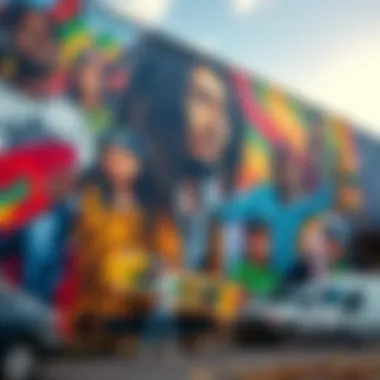
The melding of music and sport often creates compelling narratives that resonate across generations and cultures. When we think about Bob Marley, it’s hard not to picture the vibrant energy of reggae music and its messages of love, unity, and resistance. Conversely, skateboarding has evolved from a rebellious pastime into a full-fledged lifestyle and community. The intersection of these two worlds is vividly embodied in Sector 9 Skateboards, a brand that doesn’t just sell boards but promotes a lifestyle unified by creativity and expression.
This exploration goes beyond mere branding; it delves into how the philosophies inherent in Marley’s music resonate with the core values of skate culture. Just as Marley brought people together through his melodies, skaters often find solace and camaraderie on the streets and parks, carving their own identities while embracing the broader culture. By examining the relationship between Bob Marley’s legacy and Sector 9’s impact on the skating community, we uncover a fascinating tapestry that captures the spirit of rebellion, individuality, and artistic freedom.
Skateboarding Techniques
Beginner Tricks and Tips
For those just stepping onto a skateboard, the journey can feel a bit daunting. Yet, much like picking up an instrument to play Marley’s tunes, mastering basic tricks sets the foundation for more complex maneuvers. Here are a few essential start-up tips:
- Balance is Key: Before attempting tricks, spend time just getting comfortable on your board. Find a flat surface and practice standing still, shifting your weight, and rolling forward.
- The Ollie: This is the fundamental trick that opens the door to many others. It involves popping the tail of the board while using your back foot and sliding your front foot up. Practice this repeatedly—it’s like learning to find your rhythm in music.
- Turning Techniques: Mastering turns can vastly improve your control. Start with carving, which is simply leaning to turn, then move on to kick turns where the nose of the board lifts slightly off the ground.
Finding a comfortable stance can also influence your experience. Some skaters are goofy-footed while others are regular-footed, depending on which foot they prefer to have forward.
Advanced Maneuvers and Strategies
Once you’re confident in your basic skills, the world of advanced skating awaits. Here’s a peek into some more challenging tricks that will elevate your gameplay:
- The Kickflip: A slight progression from the ollie, this trick requires flipping the board while in mid-air.
- Grinds and Slides: Utilize edges of ledges or rails to grind. Mastering these tricks allows you to incorporate urban obstacles into your skating style.
- Technical Trick Combinations: Combining multiple tricks into a single line can create a unique style that stands out in skate culture.
Practice these advanced moves in an environment that caters to skaters, such as a skatepark. Here’s a simple strategy: start small, gain confidence, and gradually challenge yourself with more complex maneuvers. Much like how Marley layered his music, layering your skills can lead to greater artistry in skating.
Skateboarding Culture
Fashion Trends in Skateboarding
Skateboarding isn’t just about the tricks; it's also a form of self-expression, particularly through fashion. Many long-time skaters have a specific style that speaks to their personalities and influences. Brands associated with the skate culture, including Sector 9, often embrace relaxed yet edgy apparel that mirrors Marley's ethos of nonconformity.
- Graphic Tees: Featuring bold graphics, these are staples for any skater. Sometimes these designs celebrate urban art, music legends, or simply showcase unique art.
- Baggy Pants: While comfort is critical for tricks, baggy pants offer a particular aesthetic popularized in the skate community.
- Accessories: From snapbacks to beanies, accessories can tie an outfit together, similarly to how Marley often wore vibrant colors and styles that made a statement.
Events and Community Spotlights
Like music festivals that honor the legacy of Marley, skateboarding events foster a sense of community among skaters. Whether local or international, these gatherings blend competition and camaraderie alike. Events not only celebrate individual talent but also cultivate collaborations among skaters, echoing the unity showcased in Marley’s music.
- Street Contests: Competitive events often draw in diverse participants, showcasing different styles and skills.
- Skate Jams: Informal gatherings provide a relaxing atmosphere for skaters to try out new tricks and show off. These spontaneous events are reminiscent of jam sessions where musicians come together, showcasing talent and creativity.
"Every man gotta right to decide his own destiny." - Bob Marley
Whether you’re shredding at the park or listening to Marley on repeat, the intertwined narratives showcase the richness of life's experiences creatively expressed through skating and music.
Prelude to Bob Marley
To understand the depth of the connection between Bob Marley and skateboarding culture, it’s essential to start with who Bob Marley really is. Beyond being a musician, his influence stretches across cultures, inspiring movements and generations. This section aims to shed light on his life, his music, and how his messages resonate deeply within communities, particularly among skateboarders.
A Brief Biography
Robert Nesta Marley, better known as Bob Marley, was born on February 6, 1945, in Nine Mile, Jamaica. His early life was not easy, facing challenges of poverty and racial discrimination. However, these obstacles did not deter him, but instead fueled his passion for music. In the early 1960s, Marley, alongside Bunny Wailer and Peter Tosh, formed The Wailers, which marked the beginning of a remarkable journey in reggae music.
Marley's career took off in the 1970s with albums like Catch a Fire and Rastaman Vibration. His songs often focused on love, social justice, and resistance against oppression, echoing the struggles of many. Marley's cultural roots and his Rastafarian beliefs profoundly shaped his message, making his music a source of inspiration and hope, not only in Jamaica but around the globe. His untimely death in 1981 did not diminish his legacy; rather, he became a symbol of resilience and unity.
Musical Influences and Impact
Marley's musical style was a unique blend of rock, reggae, and folk, which facilitated his crossover appeal. Songs like No Woman, No Cry and One Love contribute to a universal message of harmony and togetherness, qualities that resonate with the skateboarding community. Skateboarders often seek a sense of freedom and expression, a sentiment vividly captured in Marley's lyrics.
His music didn’t just entertain; it inspired movements and created connections. For many skaters, listening to Marley's songs while riding is nearly a spiritual experience. The rhythmic beats and powerful messages give a backdrop to the feeling of freedom and rebellion synonymous with skateboarding. Moreover, Marley's emphasis on social justice directly relates to the skate culture’s underlying themes of challenging norms and fighting for one’s identity.
"One good thing about music, when it hits you, you feel no pain." — Bob Marley
Isn't this essence of music similar to what skaters experience on their boards? Finding joy and expression amid challenges.
This biography and understanding of Marley's music provide the foundation for exploring his influence on skateboarding and how a brand like Sector 9 embodies this cultural fusion. Readers will now appreciate how the roots of reggae harmonize with the ethos of skate culture, creating a vibrant tapestry of shared identity and purpose.
Understanding Skateboarding Culture
Understanding skateboarding culture is essential for recognizing its impact on individual skateboarding styles, music, and community bonds. This culture embodies more than just technical skills on a board; it reflects a lifestyle, a form of artistic expression, and a community where shared experiences are celebrated. Within this framework, the elements of creativity, freedom, and defiance play a significant role in how skateboarders express themselves and relate to one another.
Historical Context of Skateboarding
Skateboarding traces back to California in the late 1940s and early 1950s. It initially emerged as a way for surfers to maintain their skills on land when the waves were flat. As the sport picked up steam, skaters started to shape their unique identity, influenced by the music and art movements of the time. The rise of skateboarding was not merely about the boards themselves; it was a cultural revolution. The evolution from simple wooden boards to the sleek, professional designs we see today mirrors the rapid change in youth culture and societal trends.
Key milestones in skateboarding history include:
- The introduction of the first commercially available skateboard in the early 1960s.
- The establishment of major competitions like the first professional skateboarding association in the late 1970s.
- The rise of skate videos in the 1980s, which showcased the talent and creativity of skaters while popularizing skate culture further.
These historical underpinnings laid the groundwork for the diverse styles and communities that exist in skateboarding today.
The Evolution of Skateboarding Styles
Just as music genres continuously morph and adapt, so has skateboarding. Over the decades, different styles have emerged, from the aggressive moves of vert skating to the fluidity of street skating. The techniques and aesthetics have expanded significantly, leading to various subcultures within skateboarding itself. This evolution coincides with the rise of influential skaters who have redefined what it means to be a skateboarder.
Some notable styles include:
- Freestyle: Focused on tricks and technical skills.
- Downhill: Involves speed and style over long distances.
- Cruising: Balances aesthetics with a laid-back approach, enjoying the ride rather than pushing limits.
These styles not only influence how skaters approach their craft but also affect how brands like Sector 9 develop their products. The skateboard becomes a canvas; not just a piece of equipment but a part of one’s identity. As skateboarding continues to evolve, it remains a potent form of grassroots expression, reflecting broader cultural values and personal stories.
Skateboarding is like a language; it speaks to many but is understood differently by each skater.
Through understanding these cultural dynamics, we appreciate how figures like Bob Marley weave into the fabric of skateboarding. Marley's music resonates within the community, enriching the experience of riding and connecting skaters to a broader message of unity and freedom.
The Role of Music in Skateboarding
Music isn't just a background hum while skaters carve through the concrete; it's a vital element that shapes the entire skateboarding experience. From the rhythmic beats that fuel a skater's energy to the lyrical themes that resonate with their individual journeys, music plays an undeniable role in skate culture. When considering the connection between skateboarding and icons like Bob Marley, it's clear that this cultural nexus goes far beyond simple entertainment.
Music in skateboarding serves several purposes.
- Motivation and Energy: The right tunes can elevate a skater's performance, offering a boost right when they need it. Whether it’s a hardcore punk riff or a laid-back reggae tempo, the music they choose can influence their mood and performance.
- Camaraderie: Skateboarding is often a social activity, and music helps strengthen the ties within skating communities. Sharing playlists, attending live gigs together, or just jamming out in the park can create a sense of belonging among skaters.
- Expression: Like skateboarding, music can be a form of personal expression. Just as skaters develop unique styles, they also gravitate towards genres and songs that reflect their identities and thoughts.
The connection between music and skateboarding isn’t merely coincidental—it’s built on shared values of freedom, creativity, and rebellion, which are at the heart of both worlds. The melodies that accompany skating are akin to a soundtrack of self-discovery and community.
Soundtrack of the Skatepark
At any skating venue, the air is likely filled with the ripples of laughter, the squeaks of wheels, and, importantly, the sound of a carefully curated playlist. The skatepark becomes a vibrant arena where various musical influences come alive, transforming each session into an electric experience.
As skaters arrive, they bring with them distinct tastes in music. For some, it’s the heavy bass lines of hip-hop that resonate perfectly with their skills, while others might prefer the soulful sounds of classic rock. A few highlights of popular genres played at skateparks include:
- Punk Rock: Fast-paced and rebellious, this genre fuels the hardcore culture, often reflecting the angst and energy of youthful skating. Bands like the Dead Kennedys and Black Flag are staples.
- Reggae: Bob Marley’s influence runs deeply through the skateboarding community. The rhythm and messages of unity, struggle, and resilience in Marley's music provide essential motivation and positivity.
- Electronic Music: The rise of electronic genres can also be noted in skate culture, with beats that blend seamlessly into the dynamic flow of skating.
By curating a soundtrack that appeals to their personal tastes, skaters each create a unique atmosphere. These musical experiences help shape their identity and solidify the bonds within skateboarding circles.
Bob Marley's Influence on Skaters
Bob Marley isn’t just a musician; he's a cultural icon whose messages resonate far and wide, well beyond the realms of reggae. His themes of hope, resistance, and community have found a special place among skateboarders. Skaters deeply connect with Marley's music, as it speaks to their spirit of independence and desire for freedom.
Marley’s songs echo sentiments of pursuit and passion. An anthem like "One Love" encourages unity among skaters, linking the diverse experiences within the skate community. His idiosyncratic style celebrates individuality, which mirrors the skater’s journey of self-exploration and expression.
"One love, one heart, let’s get together and feel all right." - This line from Marley encapsulates the essence of both music and skating, where shared experiences create lasting memories.
Moreover, several skateboarders and brands actively incorporate Marley's music into their projects, recognizing his profound influence over generations. His legacy is embedded in multiple skate videos, featuring his tracks—highlighting the synergy between his melodies and the culture of skateboarding.
In summary, music is not merely a background score in skateboarding; it’s an integral part of the culture that enhances community spirit, fuels performance, and shapes individual identities. Through artists like Bob Marley, skaters find an inspiration that resonates with their passion for freedom and self-expression.
Sector 9: A Brief Overview
The importance of Sector 9 in this exploration cannot be overstated, as it serves as a bridge between two distinct yet intertwined worlds: reggae music and skateboarding culture. Founded in 1993, Sector 9 has made waves not just with its skateboards but also with its ethos. The brand embodies a lifestyle that encourages freedom, self-expression, and creativity, principles that resonate deeply with Bob Marley's teachings. By examining the core of Sector 9, we uncover a brand that doesn’t merely produce skateboards but fosters a culture that reflects the ideals of community and connection.
Founding Principles and Vision
At the heart of Sector 9's founding principles lies a commitment to innovation balanced by sustainability. The founders had a vision beyond just creating equipment; they aimed to nurture a culture rooted in environmental consciousness. One could say they tossed caution to the wind and opted for eco-friendly materials while designing boards. For instance, they utilize bamboo, a rapidly renewable resource, in their product designs. This practice not only minimizes the carbon footprint but also aligns with Marley’s messages of unity with nature.
Every board they design is infused with the ethos of "one love"—a fundamental principle encapsulated in Marley's work. The vision drives not only the types of skateboards produced but also the overall atmosphere at Sector 9's events and initiatives, which often focus on community and environmental awareness.
Product Range and Innovation
Sector 9's product line is nothing short of diverse—ranging from longboards to cruisers to downhill boards. Each model is crafted with a specific purpose in mind, showcasing a blend of functionality and style. For example, their longboards offer increased stability and control for riders, making them perfect for commuting or leisurely rides along the boardwalk.
Innovation extends beyond just board shape; it incorporates technology too. Some boards feature advanced truck systems that enhance maneuverability, allowing skaters to turn sharper and faster without losing control. The graphics displayed on these boards are often vibrant and culturally inspired, reflecting a blend of modern aesthetics mixed with traditional motifs.
- Longboards: Ideal for distance and smooth riding.
- Cruisers: Perfect for quick short trips or casual rides.
- Downhill Boards: Designed for speed and stability on steep terrains.
- Custom Graphics: Artwork that pays homage to cultural icons, including Bob Marley.
"Skateboarding, like music, transcends barriers; it brings people together regardless of their background."
In celebrating this diversity, Sector 9 also taps into different cultural influences, drawing parallels to the way Marley’s music has unified countless fans across the globe. This focus not only enhances their brand value but also invites skaters to be part of a larger narrative—a narrative that begins with Bob Marley and continues through each ride on a Sector 9 board.
The Design Philosophy of Sector Skateboards
The design philosophy of Sector 9 Skateboards is a mix of creativity, functionality, and ethos that reflects a deeper understanding of skateboarding culture. It's about crafting boards that not only perform at a high level but also serve as canvases for artistic expression and symbols of a community united by shared values. This section will explore the significance of these design principles in relation to Bob Marley's influence and the wider skateboarding community.
Artistic Collaborations
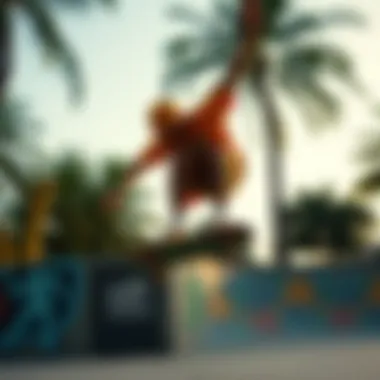
Sector 9 has distinguished itself through various artistic collaborations that resonate with the culture and lifestyle of skating. The company often partners with local artists and wide-ranging creatives to incorporate unique artwork on their boards. These collaborations infuse each piece with a story, a visual representation of the thoughts and feelings of the artists, while simultaneously enriching the skateboarding experience.
- Cultural Reflection: Each design is thought-provoking, touching on themes relevant to both the local and global skate communities. This is much like how Bob Marley’s music connected with struggles and joys shared by many.
- Visual Appeal: The designs are not merely aesthetically pleasing; they serve as conversation starters among skaters, fostering connections.
- Support for Artists: Beyond functionality, Sector 9 offers a platform for artists to gain visibility in a competitive environment, encouraging a sense of solidarity.
This engagement aligns perfectly with the spirit of Bob Marley's legacy—uniting through art and music, breaking down barriers, and fostering appreciation for expressive freedom.
Sustainability and Ethics
In an age where environmental consciousness is paramount, Sector 9 Skateboards has transitioned towards more sustainable practices. The integration of ethical manufacturing processes reflects a growing awareness within the skate community about the impact of their choices on the planet.
- Materials Selection: Sector 9 increasingly opts for eco-friendly materials, such as sustainable wood sourced from responsibly managed forests. This applies not only to the boards but to the entire manufacturing process.
- Recycling Initiatives: They are also known for initiatives encouraging recycling old boards, reducing waste, and promoting a circular economy within the skateboarding community.
- Community Engagement: By educating skaters about environmental responsibilities and encouraging eco-conscious behavior, Sector 9 nurtures a culture where skaters are not just consumers but stewards of the earth.
Such practices resonate deeply with Bob Marley’s message of harmony—not just among people, but with nature as well. Adopting sustainable principles ensures that the joy of skateboarding can be enjoyed by future generations.
"The design philosophy embodies not only the principles of skate performance but also serves as a reflection of broader cultural commitments that transcend the sport itself."
In summary, Sector 9's design philosophy is a robust blend of aesthetics, functionality, and stewardship, echoing the very essence of community and sustainability epitomized by Bob Marley. As skaters roll through parks and streets, the artistry and ethics behind their boards become part of their identity, linking them to a larger movement that values creativity, connection, and a commitment to the environment.
The Intersection of Bob Marley and Sector
The synergy between Bob Marley's music and Sector 9 skateboards isn’t just an accidental crossover; it's a profound cultural melding that speaks to the heart of both skateboarding and reggae music. At the crux of this intersection lies a shared ethos that transcends mere lifestyle choices, embodying values of freedom, unity, and expression. This collaboration serves as a cornerstone in understanding how art and sport can coexist and inspire vibrant communities.
For skateboarders, Bob Marley’s music often inspires a sense of belonging and freedom. His themes of resilience and social justice reverberate within skate parks, resonating with the cultures that form there. Skateboarding is about more than just tricks; it’s a platform for personal expression and communal bonding. Marley's lyrics encourage skaters to embrace their individuality while remaining connected to a larger movement. This connection shapes how they engage with both the sport and its associated cultures.
Equally, Sector 9 has rooted itself in this lifestyle—providing not just boards but a canvas for cultural expression. The company’s designs frequently pay homage to Marley's legacy, echoing his messages through vibrant graphics and community-focused branding. Each skateboard replicates a feeling of freedom, much like the essence of reggae music itself. This collaboration brings forth the idea that a skateboard isn’t merely a mode of transport; it’s an extension of one’s identity, harmonizing with the rhythms of life.
"Music and skating go hand in hand; they both break down barriers and unify us all."
When exploring this intersection, the conversation must include the impact on communities. It’s about how regular skate events, often set to Marley's music, create grassroots movements. Such events harness the power of music to foster connection and give rise to local skate cultures. These gatherings gather skateboarders from various backgrounds who come together to celebrate their shared passions. The environment is colored by both Marley's melodies and the spirit of skateboarding, making it a cultural hotspot.
Understanding the fusion of Marley’s legacy and Sector 9 leads us to consider the broader implications for the skateboarding community, marking a significant impact that transcends merchandise. It highlights a cultural narrative, a storytelling that weaves through the fabric of the sport and influences the lives of many around it.
Cultural Significance of Collaboration
The collaboration between Bob Marley and Sector 9 represents more than just branding; it is a powerful reminder of the intertwined nature of music and personal expression within skateboarding culture. Marley's commitment to themes like love, peace, and resistance resonates deeply within skateboarding, where the pursuit of freedom and self-determination shines brightest.
The artistic designs of Sector 9 skateboards often draw from Marley's life work—vivid colors and illustrations bring the spirit of reggae to a new generation. This artistry not only appeals to skateboarders who are fans of Marley but also embraces newcomers who may connect with the deeper themes behind the music. It’s a fusion that celebrates heritage while promoting individuality among skaters.
Additionally, the importance of this collaboration is evident in its ability to inspire and mobilize.
- Skateboarding Events: Regular events often incorporate music from Marley, creating an authentic atmosphere where enthusiasts can showcase their skills and love for the culture.
- Community Engagement: Such collaborations encourage grassroots initiatives, helping in community building around shared passions.
Reverberating with a profound cultural significance, this partnership taps into a rich vein of tradition, inviting diverse individuals to come together under the banner of unity and expression.
Marketing Strategies Employed
The effectiveness of the collaboration between Bob Marley’s imagery and Sector 9's products is a masterclass in integrating lifestyle branding with cultural heritage. The marketing strategies employed by Sector 9 to promote their Bob Marley collections showcase robust methodologies aimed at capturing the spirit of both the legend and the skateboarding community.
One cornerstone of their strategies is storytelling. They don’t just sell skateboards; they share Marley's story alongside skater narratives, illustrating how his messages foster the spirit of the skateboard lifestyle. This emotional pull helps build a connection with consumers who feel that investing in their boards equates to embracing a legacy.
- Social Media Engagement: Leveraging platforms like Instagram and Facebook, Sector 9 interacts with customers, sharing videos, stories, and posts that celebrate Marley's influence in the skate community. It builds a cummunity of followers who can discuss, share, and showcase their experiences together.
- Influencer Partnerships: Collaborations with well-known skateboarders who resonate with Marley's music amplify the reach of these boards. Skaters using these boards can share their experiences, demonstrating the lifestyle behind the brand and increasing visibility.
Increased authenticity comes from focusing on sustainability too, an aspect Marley would likely champion. Sector 9’s approach to eco-friendly materials not only aligns with Marley’s spirit of respect for the earth but also meets the expectations of socially conscious consumers. This integration strengthens brand loyalty, as skaters increasingly seek brands that reflect their values.
Thus, the marketing strategies surrounding this collaboration effectively intertwine culture, lifestyle, and social values, ultimately promoting an enduring legacy that claims its rightful spot within the skateboarding community.
Impact on Skateboarding Communities
The intertwining of Bob Marley’s legacy with Sector 9 skateboards showcases a significant cultural confluence within the skateboarding community. Both entities serve not only as banters of sport and music but also as powerful catalysts for social movements, community building, and cultural expression. Their influence reaches beyond simple entertainment; they spark conversations, challenge norms, and inspire action.
Grassroots Movements and Events
Grassroots movements play a pivotal role in the skateboarding culture, particularly in how skateboarding serves as a platform for community cohesion. Local skate parks often become the epicenter for events that bring together skaters of diverse backgrounds to celebrate both their love for the sport and the kindred spirit found in Marley’s music. Events such as skate jams or friendly competitions often take on themes inspired by Marley’s messages of peace and unity, reminding skaters of the deeper connections forged not only through the act of skating but through shared values.
A few notable initiatives foster this synergy:
- Community-led skate clinics: These programs emphasize teaching young skaters not just tricks but also the principles of respect and camaraderie that Marley embodied. Through music and skating, they create a rich atmosphere promoting growth and positivity.
- Charity events: Many skate events dedicate proceeds to underprivileged communities, echoing Marley’s ethos of uplifting and supporting the marginalized. Skateboarders take this opportunity to give back, fund youth programs, and create safe spaces for expression.
By employing events steeped in Marley’s spirit, local communities are forging bonds that transcend mere recreational activity. They create a collective movement, one that resonates with newcomers and veterans alike, shaping a generational philosophy grounded in both music and sportsmanship.
A Platform for Expression
Skateboarding isn’t merely a sport—it's a form of art, an unspoken language that echoes the sentiments of those who ride. Just as Marley used music to voice struggles, joys, and identity, skaters navigate the world with their boards, expressing individuality and community spirit. Sector 9 embodies this through their designs, often incorporating elements that reflect Marley’s philosophy of self-expression.

The integration of Marley’s music into skating culture amplifies this message:
- Custom graphics and skate decks: Sector 9 has collaborated with artists to create limited-edition boards that incorporate imagery and messages from Marley’s life and work. This fusion allows riders to express not only their skating prowess but also their appreciation for Marley’s philosophy, essentially telling a story through their deck.
- Video montages and social media: Skaters often share clips set to Marley’s tracks, allowing the blend of visuals and sound to celebrate their journeys. These videos create delightful showcases of style, creativity, and community spirit that resonate across social platforms, instilling a sense of belonging.
Through these channels, skateboarding communities embrace Marley’s ideas—freedom, expression, and resilience—reminding riders that they are part of something greater than themselves.
"The greatness of a community is most accurately measured by the compassionate actions of its members."
Personal Identity and Skateboarding
Personal identity plays a pivotal role in skateboarding culture. For many, skating isn't just a form of transportation or a hobby; it's a significant part of who they are. This identity is shaped through various influences, notably music, community interactions, and personal experiences. Skateboarding feeds into a sense of belonging, allowing individuals to create their own paths while adhering to a broader cultural framework.
The tapestry of personal identity within skateboarding is intricate. For instance, when people skate, they can express their feelings and thoughts through their style, choice of gear, and, significantly, the music they listen to. Take Bob Marley, whose rhythms resonate profoundly with the skate community. His tunes reflect liberation, creativity, and positivity, closely aligning with the core essence of being a skater. When Marley's music plays, it sets the tone—inviting a spirit of unity and freedom that skaters deeply resonate with.
The Role of Music in Shaping Identity
Music acts as a powerful catalyst in defining how skateboarders see themselves and how they wish to be seen by others. It's not uncommon to find a group of skaters gathering in a park, surrounded by boards and laughter, with Marley’s beats flowing in the background.
- Common Features:
- Creating a Vibrant Atmosphere: The right tunes can turn a simple session into a spirited event.
- Establishing Cultural Connections: Different genres and artists often represent various skating styles, binding skaters from diverse backgrounds together.
- Reinforcing Individual Expression: Selecting specific tracks or genres reflects a skater's personality or mood.
Through this musical backdrop, skaters forge bonds that transcend mere interest in the sport. They share moments, challenges, and victories while skating to a soundtrack that mirrors their personal stories.
The Skater's Journey and Individuality
Every skater's journey is unique. This individuality is carved from personal challenges, triumphs, and the simple act of riding a board. Each push on the pavement can symbolize a broader journey of self-exploration and overcoming obstacles. It’s a gallery of experiences painted with skate tricks, encounters, and friendships.
In many cases, skateboarders find themselves drawn to specific styles and techniques, often influenced by their musical tastes. The skateboard becomes an extension of oneself, much like an artist’s canvas. They express personality through tricks, how they dress, and most notably, through the music that drives their passion.
Skaters often face judgement—whether from their peers or society. Yet, combined, this adversity strengthens their resolve and shapes their identity. The skater might say, "I may fall, but every time I get up, I'm closer to finding my unique style." This mindset, nourished by influences like Bob Marley’s enduring messages of resilience and empowerment, fosters a community where individual journeys are celebrated.
Thus, personal identity and skateboarding are inexorably linked, continually molding one another. The skateboard becomes a personal emblem of freedom, creativity, and self-expression, paving the way for future generations to discover themselves on four wheels.
Future Trends in Skateboarding Culture
As the world spins forward at an ever-increasing pace, the skateboarding culture doesn’t just stand still. It’s a vibrant tapestry woven from creativity, technology, and the relentless spirit of innovation that define the sport. Understanding the future trends in skateboarding culture is essential not just for avid skaters but also for retailers and content creators. These trends shape what the next generation of skateboarding will look like and how it will intersect with music, art, and lifestyle.
Skateboarding is not merely a sport; it’s a moving platform for self-expression and rebellion against the mundane. With the influence of icons like Bob Marley, who advocated for unity and change, the significance of these trends becomes all the more apparent. The future will see a deeper integration of diverse cultural elements, a shift towards sustainability, and the seamless melding of technology with traditional skateboarding practices.
Predictions for Gear Evolution
The evolution of skateboarding gear is likely to take a front seat in coming years, with several predictable directions. As skaters become more aware of environmental issues, companies might shift gear production to sustainable materials. Here are some compelling predictions for future gear changes:
- Sustainable Materials: Expect to see decks made from bamboo, recycled plastics, and other eco-friendly substances that reduce the skateboard's carbon footprint.
- Smart Skateboards: Technological advancements could give rise to skateboards integrated with sensors, GPS, or even Bluetooth features. This will not only enhance the riding experience but can also connect the rider to a broader community.
- Customizable Gear: Advances in technology will likely lead to customizable boards that adjust flex and responsiveness based on the skater's individual preferences.
The integration of smart and sustainable technology can bridge the gap between functionality and responsibility, reflecting the ethos echoed in Marley’s music and message. The focus will be on creating tools that augment the skateboarding experience while being conscious of the planet.
Integration of Music and Art in Skateboarding
The connection between music, art, and skateboarding is as old as the sport itself. As we move further into the future of skate culture, the relationship between these elements is set to deepen. Emerging trends suggest a few vital integrations:
- Live Music Events: Skating competitions paired with live music can become a standard. This duality not only celebrates skateboarding talent but also amplifies the cultural expressions associated with music genres that resonate with skaters, such as reggae, punk, or hip-hop.
- Artistic Collaborations: Partnerships between skateboard brands and artists will likely flourish, leading to boards that are as much about artistry as they are about utility. Expect to see unique graphic designs that tell stories, much like Marley’s lyrical narratives.
- Soundtrack to the Ride: With innovations such as Bluetooth, riders may curate personal soundtracks that play while skating, merging the auditory experience with the physical one.
"In the future, skateboarding will not just be about the tricks; it will encapsulate a lifestyle rich in creativity and conscious living."
To keep an eye on these trends, resources like Reddit can provide a community-driven approach to see how skaters and brands adapt. For insights into industry practices, firms might look into Gonzaga University's studies.
The skater’s journey is continuously evolving; staying ahead means engaging with what’s next while holding on to the roots that make the culture what it is.
Ending: The Legacy of Bob Marley in Skateboarding
Bob Marley's influence extends far beyond music; it intertwines with the heart of skateboarding culture, creating a unique legacy that resonates deeply with skaters. His songs, full of vibrancy and messages of unity, freedom, and resilience, find a home in the skatepark, where riders express themselves in fluid motion. Through the partnership with Sector 9 skateboards, this cultural fusion becomes even more palpable, combining Marley's ethos with the dynamic spirit of skateboarding.
Enduring Influence on the Skate Community
Marley’s music has found a steadfast place in skateboarding, transcending mere soundtracks to become anthems for skaters everywhere. Tracks like "Three Little Birds" and "One Love" embody a sense of empowerment and togetherness that skaters naturally gravitate towards. This appeal isn’t just coincidental; Marley's views on overcoming adversity resonate with the skater mentality — a lifestyle built around pushing limits, challenging norms, and finding joy in motion.
In practical terms, Sector 9 has capitalized on this connection, developing visually striking boards that not only function well but also pay homage to Marley’s impactful art. The boards often come adorned with vivid designs inspired by his music, allowing skaters to embody this message as they glide through their surroundings.
- Shared Values: The core principles of freedom, peace, and resilience unite the skate community and Marley’s messages, creating a bond that feels organic.
- Collective Identity: When a skater picks up a Sector 9 board featuring Marley’s art, they're not just grabbing gear; they’re aligning with a collective identity that values creativity, community, and culture.
This enduring influence can also be seen in events that celebrate both skateboarding and Bob Marley's life and legacy. Festivals and competitions often curate vibes that mirror the spirit of reggae, transforming skateparks into holiday spaces of togetherness, rhythm, and freedom.
Reflections on Cultural Convergence
The culmination of Bob Marley’s legacy in skateboarding reflects a profound cultural convergence. Music, art, and sport come together, illustrating how various facets of life influence each other in complex and meaningful ways. This blending is more than just aesthetic; it serves as a platform for dialogue and connection among diverse communities.
As skateboarding grows globally, carrying its roots and influences, Marley’s cultural significance adds depth to its narrative.
- Intergenerational Communication: The values articulated through Marley’s work are passed down, sparking discussions among skaters of different backgrounds.
- Global Reach: Through companies like Sector 9, Marley's name and message are carried worldwide, promoting a global understanding of unity and love within the skateboarding community.