Bandanna Culture and Vans Footwear in Skateboarding


Intro
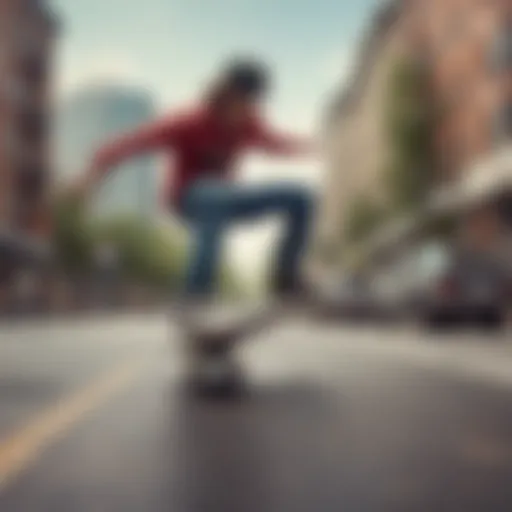
Skateboarding has long been more than just a sport; it's a vibrant culture with its own distinct style, music, and attitude. The bandanna and Vans footwear have evolved as more than mere accessories within this scene—they represent a fusion of identity, history, and community. This article takes a close look at how bandannas and Vans intersect in the world of skateboarding, doubling as symbols of rebellion and creativity, while also serving practical purposes for skaters on the move.
For many, the bandanna signifies a laid-back, effortless style often associated with the gritty yet creative spirit of skate culture. On the other hand, Vans shoes, known for their durability and grip, have become synonymous with the very act of skateboarding itself. Together, they offer more than just a look; they embody shared experiences and collective identities within the skating community.
As we progress through this exploration, we will uncover their historical roots, dissect their stylistic evolution, and analyze their role in today's skateboarding culture. Be prepared to delve deep into the aesthetics and implications of these two cultural artifacts as we highlight their persistent resonance in the lives of both skaters and enthusiasts.
Skateboarding Techniques
Understanding the interplay between bandannas and Vans shoes goes beyond style; it’s critical to the actual practice of skateboarding. The techniques and tricks performed are deeply influenced by what one wears, and this section aims to connect the dots.
Beginner Tricks and Tips
Starting out as a beginner, you might want to focus on foundational skateboarding techniques that not only elevate your skill but also allow you to express your style through clothing like bandannas and footwear like Vans. Some key beginner tricks include:
- Ollie: The backbone of almost all tricks. This is where you lift your board off the ground without using your hands. Make sure your Vans grip well—the waffle pattern helps.
- Kickflip: Similar to the ollie but involves flipping the board with your front foot.
- Grind: This technique often requires a good balance of shoes that provide ankle support and a secure grip, making Vans an ideal choice.
Integrating a bandanna can keep sweat at bay, ensuring that you maintain focus on your riding instead of the sweat falling in your eyes.
Advanced Maneuvers and Strategies
As you progress to advanced skateboarding techniques, the synergy between your gear and your skills becomes even more important. A couple of maneuvers worth mastering include:
- 360 Flip: A complex trick that fuses an ollie with a kickflip and a quarter turn. Your choice of Vans can enhance your confidence while attempting this move.
- Noseblunt Slide: This requires precise foot positioning and control, best achieved in a well-fitted pair of Vans.
The right bandanna also adds a unique flair to your style, enhancing your aesthetic while performing at the skate park. You might want to adopt the practical use of a bandanna for better visibility or to restrain hair on windy days.
Skateboarding Culture
Diving into skateboarding culture reveals layers of fashion, identity, and community—elements intertwined with the symbolism of bandannas and Vans.
Fashion Trends in Skateboarding
When looking at skateboarding fashion, one can't overlook the continuous trend of incorporating bandannas into the skater's wardrobe. Bandannas serve not just a decorative purpose but also a functional one, helping skaters manage sweat and shield against sun exposure while they're out carving up the pavement.
The classic black and white checkerboard pattern found in many pairs of Vans has become a canvas for cultural expression. The footwear is versatile, renowned for being durable yet stylish, allowing skaters to seamlessly transition from skating to the streets.
Events and Community Spotlights
Various skateboarding competitions and events also contribute significantly to the culture. Consider events like the X Games and local competitions where both seasoned pros and newcomers showcase their skills. These gatherings are fertile grounds for style evolution, pushing trends like bandanna usage to the forefront. As communities come together, Vans shoes become an almost universal choice, illustrating a shared passion.
A notable example is the Vans Skate Park Series, which highlights the sense of community and the camaraderie fostered through shared experiences.
"Skateboarding is not just a sport, it’s a way of life—rooted in freedom, creativity, and expression through every clip and shred."
As we navigate through this interconnected narrative of bandanna culture and Vans footwear in skateboarding, we see how these elements serve not only individual skaters but also the broader community that ties them together.
Prelude to Bandanna Culture in Skateboarding
Bandanna culture has long been intertwined with the vibrant and rebellious spirit of skateboarding. Understanding this connection is not just about appreciating a piece of fabric; it’s about recognizing the layers of history, symbolism, and expression that come with it. Bandannas serve as a canvas for individuality and a statement of style, making them a significant element in the toolkit of skateboarders everywhere.
In skateboarding, bandannas can be traced back to the early days of the sport when riders sought to establish their unique identities, often juxtaposing a carefree attitude with an unapologetic sense of personal flair. The vibrant patterns and colors of bandannas reflect a rich tapestry of influences, from punk rock to hip-hop. As we explore the aesthetic of bandannas, it becomes clear that this accessory is much more than mere apparel; it is a crucial part of the culture and identity of skateboarders around the globe.
By investigating the roots of bandanna culture within skating, enthusiasts can uncover a world where fabric meets fervor. It's important to highlight how these pieces often act as trophies from various skate sessions, as they accumulate dirt, sweat, and the stories of every trick and fall. Such insights reveal that the correlation between bandanna usage and skateboarding embodies not just personal style but also resilience and community.
As we delve deeper into the historical overview and symbolism of bandannas, it’s apparent that this seemingly simple item carries profound significance. Bandannas help to bridge the gap between personal expression and skate culture, fostering a sense of unity amongst skaters while encouraging individuality. A skateboarder's choice to wear a bandanna can encapsulate many thoughts and emotions—freedom, rebellion, and a deep-seated connection to the sport.
This section aims to set the stage for exploring not just the narrative of bandanna culture but also how it combines with the iconic Vans footwear brand, a staple in skateboarding history. Together, they create a compelling intersection of style and identity that deserves to be explored with depth and nuance.
Historical Overview
The historical origins of bandanna use in skateboarding are rooted in the evolution of subcultures throughout the 20th century. Initially, bandannas served practical purposes—acting as sweatbands or sun protection during long hours of boarding. Through the years, they transformed into a symbol of defiance and counter-culture, particularly during the rise of skateboarding in the 1970s and 1980s.
As skaters began to adopt a more distinct style separate from mainstream fashion, bandannas became synonymous with their identity. When riders like Tony Hawk and Christian Hosoi took to the ramps, their choice of accessories—often complemented by bandanna prints—played a pivotal role in shaping the visuals of skating culture. Today, bandannas remain a beloved staple, attached to both nostalgia and innovation as new generations of skateboarders continue to reinterpret their meaning.
Symbolism and Significance
The bandanna carries a multitude of symbolic meanings that resonate deeply within the skateboarding community. It often signifies rebellion against societal norms, a testament to the skater's refusal to conform. Colors and patterns chosen by skaters reflect personal stories, affiliations, or even political statements, making the bandanna a powerful tool for self-expression.
For some, wearing a bandanna signals a sense of belonging. It fosters camaraderie among fellow riders who understand the culture and its nuances. Furthermore, bandannas have found their place in complying with local traditions, sometimes representing geographical origins or cultural backgrounds.
In addition, the materials from which a bandanna is crafted—whether cotton or synthetic fabrics—can signify practicality and style. The choice of fabric not only affects performance but also communicates values about sustainability and fashion choices that resonate with an increasingly eco-conscious skater community.
Ultimately, bandannas in skateboarding embody a dualism of function and fashion; they tell stories of past struggles and triumphs, binding the community together while allowing space for individual expression. As we expand our exploration into the world of Vans, this cultural backdrop will serve as a vital lens through which to understand their influence on skate culture.
Vans: An Icon in Skateboarding History
Vans, as a cornerstone in the skateboarding world, are more than just shoes. The brand encapsulates a lifestyle, a culture, and a sense of belonging among skateboarders. For decades, these shoes have been more than just a fashion statement; they have become symbols of rebellion, creativity, and community within the skateboarding scene.
Foundation and Evolution of Vans
The story of Vans began in 1966 in Anaheim, California, when brothers Paul and Jim Van Doren, along with their partner Gordy Lee and designer Serge D'Elia, opened the Van Doren Rubber Company. From the start, they focused on creating durable, comfortable footwear specifically designed for skateboarding and surfing. The first models were crafted with a simple canvas upper and a thick rubber sole, ensuring they could withstand the rigors of both sports.
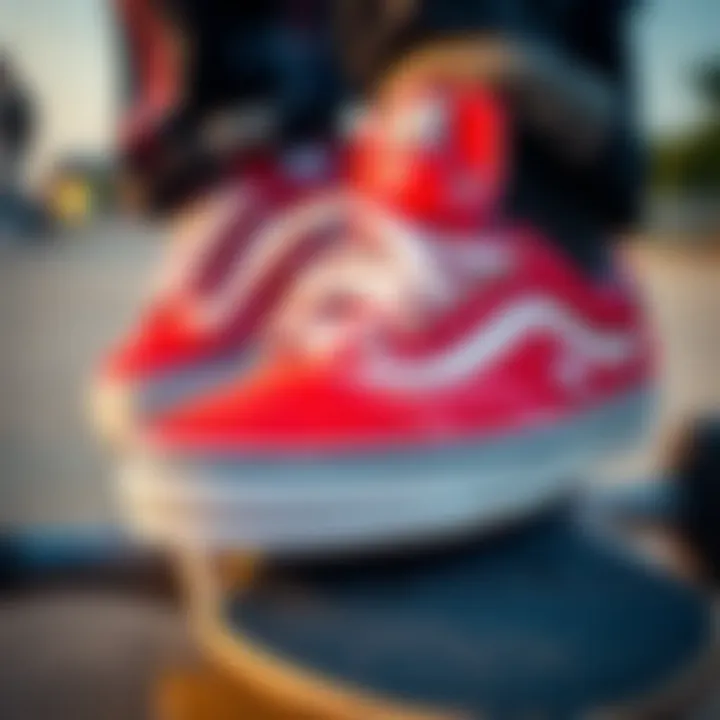
Over the years, Vans adapted to the changing trends and demands of the skateboarding community. The introduction of the iconic Vulcanized sole quickly revolutionized the way skaters interacted with their boards. This design allowed for better grip and control, quickly making Vans a must-have among avid skaters. With the launch of the Era and Old Skool models in the 1970s, the brand solidified its presence in skate culture, serving as both a practical choice and a style statement.
Today, Vans continues to innovate while paying homage to its heritage. Collaborations with artists, designers, and skateboarders keep the brand fresh and appeal to a broad range of consumers. These moves sustain Vans' relevance in an ever-evolving landscape, ensuring that the brand remains synonymous with skateboarding.
The Role of Vans in Skateboarding
Vans has played an undeniably vital role in skateboarding's growth, acting as a bridge between enthusiasts and the broader marketplace. The brand's commitment to supporting skateboarding culture is visible through its sponsorship of events, contests, and individual skaters. This investing in talent, from grassroots competitions to professional athletes, has forged a strong loyalty to the Vans name.
Moreover, the brand's Pro Skate team has set standards in the sport. Skaters like Tony Alva and Steve Caballero have not only worn Vans but have also inspired countless others to take to their boards. Their dedication and talent have contributed immensely to the evolution of skateboarding maneuvers, with Vans branding often accompanying these iconic images, becoming part of the lore surrounding skate culture.
In essence, Vans has transcended its role as just a shoe company; it has become an integral part of a global community. The footwear serves as a canvas for self-expression, enabling skaters to showcase their unique styles, all while staying rooted in the shared ethos of skating. This blend of practicality and culture ensures that Vans remains a central figure in skateboarding history, continually shaping the landscape while being shaped by it.
"Vans isn’t just footwear; it’s a symbol of the skateboarding spirit—bold, creative, and ever-evolving."
The Aesthetic of Bandanna Vans
The aesthetic of bandanna Vans encapsulates a unique blend of style and culture, deeply rooted in the ethos of skateboarding. This synergy speaks not only to the visual appeal but also to the deeper meanings attached to both elements. Bandannahs, often donned for both practicality and flair, become a canvas for personal expression when combined with the unmistakable silhouette of Vans footwear. This segment aims to dissect this visual language and its implications in the broader tapestry of skate culture.
Design Elements
When we talk about bandanna Vans, the design elements are as crucial as they are distinct. A classic pair of Vans might feature the iconic checkerboard or solid colors, but infusing these designs with bandanna patterns introduces a fresh look that honors both tradition and rebellion.
- Patterns and Colors: Bandanna patterns typically exhibit intricate paisley designs, often seen in shades of blue, red, or black. When these hues collide with the clean lines of Vans, they resonate with skaters who appreciate a more refined taste combined with their gritty lifestyle.
- Material Choices: The use of cotton in bandanna fabric not only serves an aesthetic purpose but also speaks to functionality. Skaters often appreciate soft, breathable materials that can withstand the rigors of the sport.
- Customizable Options: Many brands allow skaters to customize their Vans with bandanna prints. This goes beyond just aesthetics; it embodies the idea that each skater is an artist, curating a personal collection that reflects their journey through the world of skateboarding.
"Bandanna prints on Vans are not just a style; they're a way to express individuality in a subculture that thrives on personality."
Cultural Resonance
Moving from design to cultural significance, the fusion of bandanna culture with Vans captures a rich narrative. Bandannas have long been symbols of rebellion, solidarity, and identity within various subcultures. Incorporating them into Vans profiles ties together historical threads in a meaningful way.
- Historical Roots: Bandannas have their origins in practical usage, mostly for laborers; however, they later transitioned into a cultural artifact in various communities, particularly those associated with streetwear and the counterculture movement.
- Social Statements: Wearing bandanna Vans can signify one's alignment with specific themes in skateboarding, such as rebellion against mainstream norms or a sense of belonging to a tight-knit community. This is especially evident during skateboarding events or competitions where fashion choices send powerful messages.
- The Influence of Rebellion: Both bandannas and Vans have roots in street fashion that developed as forms of resistance against conventional trends. This overlap creates a compelling narrative that resonates with both old-school skaters and new enthusiasts alike, fostering a sense of unity within the skateboarding world.
By understanding the aesthetic of bandanna Vans, one acknowledges not just the visual appeal, but also the broader implications of identity, community, and rebellion in skate culture. As these two elements coalesce, they embody a rich tapestry of personal expression and group dynamics—an intersection that continues to evolve as the landscape of skateboarding changes.
Practical Uses of Bandannas in Skateboarding
Bandannas serve more than just a decorative purpose in skateboarding. When you’re out there on your board, under the sun, or in a gritty park, a bandanna can be as handy as it is stylish. Understanding the various practical uses can illustrate why they have become a staple among skaters.
Functional Aspects
The primary function of a bandanna in the skateboarding world is utilitarian. Under the baking sun, a bandanna can protect one’s neck and face, keeping you cooler and offering a barrier against the harsh elements. Many skaters opt to tie one around their head, which helps in absorbing sweat and keeping hair out of their eyes.
- Sweat Absorption: A bandanna absorbs moisture effectively, which is crucial during long sessions at the skate park.
- Sun Protection: Worn around the neck or head, a bandanna shields you from harmful UV rays.
- Dust Barrier: When skating in less-than-pristine places, a bandanna can cover your mouth and nose, filtering out dust and debris.
- Versatile Style: Its different knots can be adapted for various styles and purposes, from a headband to neckwear.
Many skaters consider a bandanna their second skin—always there, ready to serve whenever needed.
Fashion vs. Functionality
While bandannas perform several functions, they’ve also taken on a significant role in fashion within the skate culture. This dual aspect presents an interesting tension between practicality and style. Some skaters might argue that functionality should come first, while others feel that the aesthetic is equally important.
A few points to consider regarding this intersection include:


- Style Statements: Bandannas offer an opportunity for self-expression, as there are countless colors and patterns available, allowing skaters to showcase their styles. Whether it is a paisley print or a solid color, the choice reflects personal preference.
- Social Identity: In many cases, the patterns on a bandanna can align with certain subcultures in skating. For example, a checkered bandanna may evoke a vibe linked to specific skateboarding communities or even music genres.
- Trend Cycles: As skate fashion evolves, bandannas may fluctuate in popularity, but their practical use remains steady. It’s that blend of being stylish while serving a purpose that reinforces their place in skateboarding.
For skateboarders, the choice to wear a bandanna often comes down to what they prioritize. Is it protection from sweat or the need to look good while hitting those gnarly tricks? In the end, it’s a blend of both that keeps bandannas relevant.
In wrapping up this section, it’s clear that bandannas occupy a unique space in skate culture—one that seamlessly merges practicality with the ever-evolving realm of style. Skateboarders recognize the value in utility, yet they also embrace the boldness of self-expression, and bandannas stand testament to that.
The Intersection of Style and Identity
In the world of skateboarding, style is not just about aesthetics; it spills into the realm of identity. The way a skater presents themselves often mirrors their beliefs, background, and social circles. Bandannas and Vans footwear come together as key players in this narrative. There's more to this union than simply looking cool on a board; it’s about expressing individuality and connecting with a larger community. Skaters often use their clothing to signify allegiance to a particular style or subculture, making each choice a microcosm of personal history and social commentary.
Self-Expression through Fashion
Fashion in skateboarding carries a weight that transcends the clothing itself; it’s a canvas for self-expression. Bandannas, often tied around the head or worn as masks, serve a dual role. They protect against dirt, sweat, and sun, epitomizing functionality. Yet, they also broadcast a sense of style and personal branding. Each color or pattern can symbolize affiliations with certain groups or skate scenes, inviting camaraderie among like-minded individuals. Additionally, Vans shoes, with their iconic designs and the ability to personalize through various colorways, further enhance this expression of self. The very act of choosing a pair of Vans may speak volumes about one's skate style, whether one leans toward street skating or more technical tricks.
"Your gear tells your story—every skater knows it. It’s not just about doing tricks, but how you represent yourself while doing them."
Influence of Bandanna Vans in Subcultures
Bandanna Vans are more than just footwear; they resonate deeply within various subcultures of skateboarding. The unique vibe of pairing a bandanna with Vans taps into the rugged and rebellious spirit that binding skate culture together. Take, for instance, the grungy backdrop of 1990s skateboarding in California. During that era, wearing a bandanna became almost a rite of passage. Skaters not only flaunted their tricks but also their style; the bandanna symbolized a laid-back attitude and a love for the art of skating itself.
This mutual influence manifests in various skate subcultures. For example, those in the punk skate scene often embrace bold patterns and bright colors, using bandannas as bold statements. Conversely, a more minimalist skater might prefer a simple black bandanna with their black and white Vans for a classic look. These choices create an identity not just for the individual, but also for the community that embraces these styles, defining local skate scenes around the globe.
Closure
Every thread worn and every shoe laced up contributes to a larger tapestry of skate culture. The intersection between bandanna culture and Vans isn't just a fashion statement; it is a vibrant reflection of identity and personal expression. To ignore these connections would be to overlook the deeper significance of skateboarding itself. Skateboarding is a mosaic of influences, where each skater carves out their identity using the language of style.
Contemporary Trends in Skate Fashion
The world of skateboarding fashion is always on the move, just like the skaters who dominate the scene. Understanding contemporary trends in skate fashion is vital for grasping how bandannas and Vans footwear have come to symbolize more than just style; they represent a lifestyle that speaks to individuality and community. The importance of this topic lies in its reflection of self-expression, the evolution of skating culture, and the influence that external forces like social media have on personal style.
Evolution of Skateboard Attire
When we think of skateboard attire today, a kaleidoscope of styles comes to mind, ranging from baggy clothing to tailored pieces. In the past, skateboarders often donned loose-fitting clothes for comfort, focusing on functionality over fashion. Over time, brands recognized the need to cater to these emerging preferences, and as a result, the look evolved.
- Baggy Pants to Slim Fits: The transition from baggy pants to slim fits marked a significant shift. Skaters began to choose designs that offered a more tailored look while still allowing for movement. Vans, known for their versatility, adapted their styles accordingly, making them favorable among a diverse range of skaters.
- Graphic T-shirts to High Fashion: T-shirts splashed with graphics were a staple, often featuring iconic skate brands or artwork from local artists. Today, collaborations with high fashion houses have created a merge between street style and runway looks, introducing skate culture to a broader audience. This mix of practicality and aesthetics has made skaters style influencers in their own right.
Change can often stem from trends seen on the streets, and it’s interesting to note how Vans has played a significant role in this evolution. The brand captures the essence of skate culture—maintaining their classic designs while keeping an eye on the ever-changing fashion landscape. The adoption of bandannas as essential accessories showcases this evolution, emphasizing both their practical uses for skaters and their stylistic appeal.
The Role of Social Media and Influencers
Social media has revolutionized skate fashion, morphing it into a visual language that transcends geographic barriers. The rise of platforms like Instagram and TikTok has opened new avenues for skaters to showcase their unique sense of style and connect with like-minded individuals.
- Personal Branding: Many skaters use social media to craft their personal brand, often celebrating their choice of footwear and accessories. Vans and bandannas often feature prominently in these posts, demonstrating their popularity and significance in skate culture.
- Trend Setting: Influencers and prominent figures within the skate community regularly showcase their outfits online, influencing what’s in vogue. These posts serve as both inspiration and validation, as fellow skaters tend to mimic styles seen on their favorite accounts.
- Community Building: Platforms provide an avenue for skaters to connect, fostering a sense of community. The hashtag culture allows enthusiasts to gather around similar trends, amplifying the influence of specific items like the classic Vans slip-ons or patterned bandannas.
"Social media has not only reshaped how style is consumed but also how skaters express their identity and artistry."
Brand Collaborations and Limited Editions
The interplay between skate culture and fashion has long been marked by collaborations that merge artistic vision with commercial viability. Brand collaborations and limited editions play a crucial role in shaping the identity of Vans as they intertwine with bandanna culture, providing enthusiasts with unique footwear options that carry not just style but also meaning. These collaborations often feature designs that reflect the personality and ethos of both parties, while limited editions spark excitement and exclusivity among skateboarders and collectors alike. They bring fresh perspectives, allowing artists and brands to explore boundaries that may not usually align with mainstream market offerings.
Among the notable benefits of these collaborations is the opportunity for each brand to tap into the other’s audience. Vans has established itself as a staple in skate culture, and its partnerships with artists or designers who resonate with skateboarders amplify the brand’s authenticity. A skateboarding community that values originality and distinctiveness sees these limited releases as a chance to wear something that tells a story. Every pair sold can signify a moment in skate history, a nod to creativity, and a celebration of collaboration.
Moreover, these limited-edition products often serve as a canvas for social commentary and cultural expression. Bands, artists, or even non-profit organizations can channel their messages through the medium of footwear, inviting skateboarders to engage with themes of identity, resistance, or community. In a world where fashion is often seen as a trivial topic, these collaborations can challenge perceptions about what it means to wear a brand, turning it into an emblem of values and beliefs.
Notable Collaborations with Vans
Vans has long been at the forefront of skateboarding, drawing attention with its innovative collaborations. One standout example is the partnership with artist Shepard Fairey, known for his powerful artwork and social activism. The resulting collection not only showcased unique designs but also broadcasted a message that urged for awareness and action on social issues. Skateboarders didn't just wear these shoes; they sported ideologies.
Another impressive collaboration came from the famous California-based skateboarding brand Anti Hero. Their limited edition Vans lineup included graphic prints that embodied not just style but a punk attitude that appealed to a segment of the skate community that prides itself on rebellion and authenticity. This particular collaboration drew buzz not just for its craftsmanship, but also for how it tapped into the rich history of skateboarding.
Further, the collaboration with the band Metallica resulted in shoes that celebrated not just the music but the lifestyle so deeply tied to skate culture. The limited-edition shoes bore the band’s iconic logo and designs reminiscent of album artwork, creating a coveted item for both skaters and music fans alike. It's more than just footgear; for many, it has become a collectible, standing at the crossroads of music, art, and skate culture.
Cultural Impact of Limited Releases
The cultural impact of limited releases in the skateboarding world is significant. These exclusive drops create a sense of urgency and community. When a brand like Vans launches a limited-edition collab, it isn’t just about increasing sales—it’s about fostering a culture that encourages skateboarders to pursue individuality within their sport.
- Creating FOMO: The brief window to purchase or snag a unique design can instigate a sense of urgency, making these shoes even more desirable than they may be at their regular retail price.
- Building Community: Limited releases invite discussions within skate circles and online platforms. Skateboarders often band together to share tips on how to secure these pairs, strengthening community bonds.
- Establishing Trends: As these various partnerships expose new styles or themes, they can set trends that ripple through the broader skate culture and beyond, influencing what skateboarders wear, what they listen to, and often, even how they skate.


In essence, the brand collaborations and limited editions of Vans serve as a microcosm of the dynamic relationship between skateboarding and culture. They are more than just footgear—each exclusive design is a marker of community identity, creativity, and the fusion of various art forms. The skateboarder’s choice of Vans, layered with the influence of bandanna culture, creates an artistic tapestry that extends throughout the community, pivotal for future trends and cultural expressions.
Vans' Impact on Skateboarding Community
Vans has left an indelible mark on the skateboarding community over the years. This brand does not just sell shoes; it cultivates a culture. The relationship between Vans and skateboarding goes beyond commerce—it’s about nurturing creativity, fostering talent, and uniting skateboarders around the globe. This section explores how Vans has supported local talent, organized events, and built connections within the skateboarding network.
Supporting Local Talent and Events
Part of what sets Vans apart is its commitment to grassroots initiatives. The brand actively seeks to elevate local skateboarders by sponsoring competitions and events that highlight upcoming talent. Events like the Vans Park Series showcase skaters from all walks of life, allowing them to gain exposure and potentially kickstart their careers.
Through initiatives like the Vans 'Off the Wall' program, the brand provides support to shools with skate parks, creating spaces where kids can learn and grow. This not only promotes sport but draws communities together.
- Talent Development: Vans organizes workshops and clinics, boosting skills for both beginners and seasoned skaters. They even collaborate with experienced skateboarders to share their knowledge.
- Event Sponsorship: Sponsoring local and national competitions presents opportunities for skaters to compete on bigger stages, helping them network and gain visibility with industry professionals.
- Creating Safe Spaces: By funding skate parks and maintaining them, Vans ensures that young skaters have safe environments to sharpen their skills. As one skater put it, "Having a place to skate is like having a second home."
This investment in local talent lays the groundwork for a thriving community, turning unknown skaters into household names, thus creating a cycle of inspiration and growth.
Building a Global Skateboarding Network
The impact of Vans stretches far beyond local communities; it’s a catalyst for a global skateboarding network. The synergy between local events and global outreach keeps the skating culture alive and well. Vans not only connects skaters with one another but also with different cultures and styles from around the world.
- International Competitions: Events like the Vans World Cup of Surfing & Skateboarding draw participants from various countries, allowing for a melting pot of styles, ideas, and connection.
- Partnerships with Artists: Partnering with artists and designers globally, Vans integrates various cultural elements into their designs, which further enriches the skate culture network. Each shoe tells a unique story, influenced by its creator’s background and experiences.
- Social Media Campaigns: With grassroots strategies coupled with effective social media outreach, Vans amplifies its global presence, sharing stories from skateboarders worldwide, showcasing their grit and style.
In summary, Vans embodies a dedication to skateboarding that transcends mere business. They have carved a niche in supporting local talent while building a robust global network. This dual focus not only strengthens community ties but also enhances the sport itself, contributing to a constantly evolving scene.
"To skate is to connect with the world; Vans is there every step of the way."
By continuously supporting both local and global initiatives, Vans ensures that skateboarding remains not just a sport but a life-long passion for many.
Future of Bandanna Vans in Skateboarding
The fusion of bandanna culture and Vans footwear is at a pivotal point, poised to define the next phase of skateboarding style and identity. As the landscape of skateboarding continues to evolve, so do the aesthetics that capture its spirit. The interplay between bandannas and Vans holds significant implications not only for individual skateboarders but for the broader community immersed in this vibrant culture. This exploration focuses on notable aspects, benefits, and considerations surrounding the future of Bandanna Vans.
One major element is the innovation in design. Vans has continually embraced creative expressions through limited-edition releases and collaborations, pushing the bounds of traditional skatewear. As bandannas gain traction as a fashion statement rather than just a functional textile, the opportunity for tailored Vans designs that incorporate bandanna prints could resonate strongly with the crowd. This can inspire skateboarding enthusiasts to not just wear their culture but to define it.
Moreover, the trend aligns closely with sustainability in fashion. The consciousness surrounding environmentally friendly materials and ethical manufacturing is growing amongst skaters who want to align their lifestyle choices with their values. Integrating sustainable practices into the production of Vans that feature bandanna designs can enhance their appeal, connecting with a generation that cares deeply about the planet.
"The future of skateboarding relies not just on trends but also the values we choose to embrace as a community."
From another standpoint, the rise of digital platforms and social media is accelerating brand visibility and fostering community. As more skateboarders share their unique styles online, we can expect bandanna Vans to permeate urban landscapes and skate parks alike. A skateboarder wearing a custom pair of Bandanna Vans in a viral video might be just the push needed to create new demand and interest in those designs.
Predicted Trends and Developments
In reviewing the future landscape for Bandanna Vans, several trends are likely to emerge:
- Diverse Prints and Patterns: Customization will play a key role, allowing skaters to adapt Vans to their personal style through unique bandanna designs.
- Collaborative Collections: Vans may partner with artists, skaters, and brands to create exclusive lines that celebrate the spirit and impact of bandanna culture.
- Digital Influence: The use of augmented reality and virtual reality can lead to innovative ways for users to experience and interact with Bandanna Vans before purchase. This opens doors for virtual skate events, allowing skaters to showcase their style in an online setting.
- Increased Community Engagement: Initiatives that tie local artists or schools into the design and endorsement process will strengthen community ties, leading to Vans becoming a staple not just in skate shops but also in community centers.
The Legacy of Style in Skateboarding
As we discuss the legacy of bandanna Vans, it is undeniable that certain styles define moments in skateboarding history. Vans has long stood as a symbol of rebellion and creativity. The unique capability of bandanna patterns to convey individual stories adds another layer to this legacy.
- Timeless Appeal: The versatility of bandanna prints ensures they never quite go out of style. While trends can be fleeting, bandanna designs have a nostalgic yet contemporary charm that resonates well across generations of skateboarders.
- Identity and Belonging: The act of wearing specific styles, like Vans adorned with bandannas, reinforces identity within the skate community. These items become a part of someone's personal narrative, connecting them to peers and cultural movements.
- Cultural Commentary: Bandanna Vans serve as a medium through which skateboarders can express sentiments on social issues and personal beliefs, advancing messages that matter within their communities.
Future generations of skateboarders will embrace the legacy of Bandanna Vans as symbols of innovation and expression. The choices made today will help sculpt the narrative of skateboarding tomorrow.
In summary, the future of Bandanna Vans in skateboarding is bright and filled with potential. This integration of tradition and modernity not only honors the past but also sets the stage for ongoing dialogue in style, function, and identity within the skateboarding milieu.
Ending
In wrapping up the discussion around the bond between bandanna culture and Vans footwear within the skateboarding realm, we unearth vital insights that demonstrate their enduring significance. Both symbols resonate deeply, not just as fashion choices, but as markers of identity, community, and expression among skateboarders.
Recap of Key Insights
- Cultural Significance: The bandanna, historically tied to an array of subcultures, has carved its niche within skateboarding, acting as a badge of rebellion and individuality. Vans, conversely, symbolizes stability and performance, pivotal in both skateboarding history and casual streetwear.
- Practicality Meets Aesthetics: The functional aspects of bandannas—absorption of sweat and sun protection—coupled with the iconic designs on Vans shoes create a unique blend of practicality and style. It's not just about looking good; it's about feeling good while riding.
- Influence on Identity: Skateboarders employ these elements of style as tools for self-expression—what they wear communicates their affiliations and beliefs. Bandanna prints, often vibrant, give a visual voice to the subculture, while Vans shoes provide the needed support for their skateboarding exploits.
This synthesis suggests that both bandanna aesthetics and Vans footwear are not merely trends; they represent a lifestyle that speaks volumes about the wearer's identity and community.
Call for Continuous Exploration
Encouraging further examination of the intertwining narratives of bandanna culture and Vans footwear invites enthusiasts, researchers, and casual observers alike to unpack the layers of meaning they hold. The dynamic nature of fashion and identity within skateboarding is an ever-evolving conversation, beckoning continuous inquiry. As skateboarders age and styles shift, old narratives will morph and new ones will emerge, providing a fertile ground for exploration.
Engaging deeply with these elements challenges us to see skateboarding not merely as a sport but as a cultural phenomenon woven into the fabric of our daily lives. Future trends may stimulate further innovation, creativity, and community connection, reflecting the zeitgeist of each generation of skaters. Hence, the call to action stands: the exploration of bandanna culture and Vans is not a closed chapter but a story still being written—one that encapsulates evolution and the relentless spirit of skateboarding.
"Skateboarding is not just a sport, it's a culture; it's the interaction of lifestyle, art, and philosophy. Let's keep it flowing."
For more insights into skate culture, consider exploring resources like Wikipedia, Britannica, and discussions on platforms like Reddit. This continual journey of understanding awaits.